

Welcome to your new favorite morning habit! When you want to improve your health, small daily choices matter the most, and exploring green tea benefits is a smart place to start. This ancient beverage offers incredible advantages for your body and mind, ranging from faster metabolism to better brain function.
Many people struggle to find natural ways to boost their energy levels, but nature provides excellent solutions for daily fatigue. Learning about this natural remedy gives you a powerful tool that complements your fitness goals — and the preparation process itself can become a calming daily ritual. Let’s dive into the science and practical applications of this beverage!
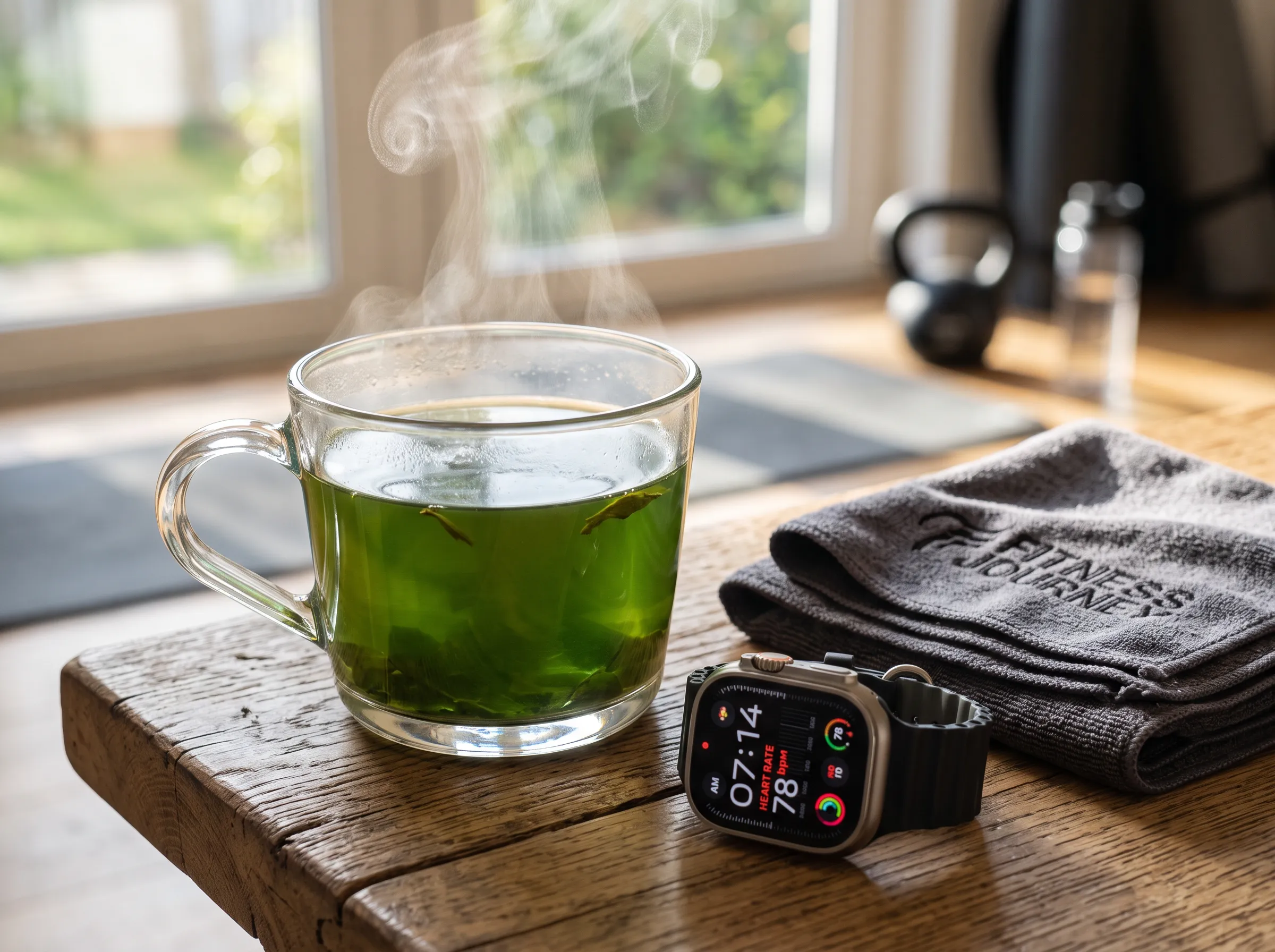
What green tea is good for
You might frequently ask what green tea is good for in your daily life. Basically, this beverage serves as a potent source of natural antioxidants, which protect your body from daily environmental stress — helping your cells remain healthier and function more efficiently. This drink also supports your immune system throughout the year.
The secret lies in a specific compound called EGCG. Epigallocatechin gallate is a plant compound found abundantly in these leaves, and it actively helps reduce inflammation across the body, which can support faster recovery from intense physical activity. EGCG may also help protect your heart and blood vessels from damage.
Beyond cellular health, this drink can improve daily digestion. Many people experience less bloating when they consume it regularly, and the natural compounds support healthy gut bacteria — helping your body absorb nutrients from food more effectively. Altogether, this simple drink provides broad support for your digestive system.
How this powerful drink works in your body
Understanding the physiological mechanism helps you appreciate this beverage more. Hot water extracts the active catechins from the leaves, and your body absorbs these compounds through your digestive tract, where they enter the bloodstream and travel to various organs.
Broader research on green tea catechins supports a relatively rapid absorption profile, which is why you may notice the effects fairly soon after drinking.
Once inside your system, these compounds interact with your nervous system. Specifically, they block an inhibitory neurotransmitter called adenosine, which increases neuron firing in your brain, making you feel more alert and focused. The drink also increases the concentration of dopamine and norepinephrine, which can improve mood alongside concentration.
The metabolic mechanism is equally interesting. The active compounds signal your fat cells to break down stored fat, which then enters your bloodstream as usable energy. This process becomes more efficient when you exercise, helping you burn more calories during your standard workout routines — which explains why so many athletes rely on this beverage.
Top 7 incredible green tea benefits
The benefits of drinking green tea extend far beyond simple hydration. Furthermore, science backs these advantages with numerous rigorous studies. Consequently, you can trust that these effects are real and measurable. Here are the 7 most significant advantages for your health:
- Boosts your metabolic rate: The active compounds increase your calorie burn. Furthermore, this effect helps you maintain a healthy caloric deficit easily. Consequently, many people use green tea weight loss strategies successfully.
- Enhances brain function: The unique combination of natural stimulants improves your focus. Moreover, it provides stable energy without the typical afternoon crash. Thus, you remain productive throughout your entire workday.
- Improves physical performance: The drink mobilizes fatty acids from your fat tissues. Additionally, you can use it as a natural pre-workout supplement before training. As a result, your endurance increases significantly.
- Supports fat burning: The catechins actively promote fat oxidation in your body. Furthermore, this process helps you manage the calories to lose weight more efficiently. Consequently, you achieve your fitness goals much faster.
- Protects cellular health: The massive antioxidant content fights free radicals constantly. Moreover, this protection slows down the natural aging process of your cells. Thus, you maintain a more youthful appearance and feeling.
- Promotes heart health: Regular consumption improves your blood cholesterol levels naturally. Additionally, it pairs perfectly with your weekly cardio exercises for optimal cardiovascular health. As a result, your heart grows stronger over time.
- Aids in muscle recovery: The anti-inflammatory properties reduce muscle soreness after workouts. Furthermore, knowing what to eat after a workout alongside this tea maximizes recovery. Consequently, you can return to the gym feeling fresh.
Together, these 7 benefits explain why so many fitness enthusiasts treat this beverage as more than just a warm drink.
Does green tea have caffeine?
Many beginners ask whether green tea has caffeine before trying it. Yes, this beverage contains natural caffeine, though significantly less than a standard cup of coffee — an average cup contains about 30 to 50 milligrams, an amount most people tolerate well without feeling jittery.
The energy experience differs from drinking strong coffee. This tea contains an amino acid called L-theanine, which works synergistically with the caffeine to stabilize your energy. You experience a calm, focused alertness instead of nervous energy, and this combination can help prevent a sudden energy crash later in the day, making it a good afternoon pick-me-up.
You can manage your daily caffeine intake with this beverage fairly easily. Brewing the tea for a shorter time extracts less caffeine, so you can customize the strength to your preference. Choosing higher-quality leaves also tends to provide a smoother energy curve.
Is green tea a diuretic?
You might also wonder whether green tea is a diuretic when planning your hydration. Yes, it has mild diuretic properties due to its caffeine content, though this effect is generally gentle and won’t cause dangerous dehydration when consumed in moderation. The water in the tea itself also helps offset this mild effect.
Understanding this effect helps you plan your fluid intake. If you drink multiple cups, you might notice more frequent bathroom trips, and this natural flushing process can help your kidneys remove waste. Still, drink plenty of plain water alongside your tea to maintain good hydration throughout the day.
Athletes should pay attention to this mild diuretic effect. If you sweat heavily during training, prioritize plain water first to keep your muscles properly hydrated for peak performance. Use the tea strategically rather than as your only fluid source.
Types of green tea you should know
The world of this beverage offers many variations to explore. Sencha is the most popular and common variety available globally, offering a classic, slightly grassy flavor. It provides a balanced profile of antioxidants and caffeine, making it a comfortable everyday choice for beginners.
Matcha is a unique, highly concentrated powder form: you consume the entire ground leaf rather than just steeping it, which delivers a bigger dose of nutrients per cup. This makes matcha popular for intense focus and energy before a workout, since it contains more antioxidants than standard steeped varieties.
Bancha and Gyokuro offer different experiences. Bancha uses older leaves and contains significantly less caffeine, making it a good evening option that won’t disrupt sleep. Gyokuro, on the other hand, grows in the shade to boost its L-theanine content, giving it a smooth, sweet flavor and a distinctly calm mental clarity.
How to make green tea perfectly
Learning how to make green tea correctly changes the entire experience. Furthermore, many people dislike the taste simply because they brew it wrong. Consequently, they miss out on the amazing health advantages entirely. In addition, boiling water actually burns the delicate leaves and creates a bitter taste. Therefore, following the right steps guarantees a smooth, delicious cup every time.
Step by step brewing guide
- Heat the water: Bring your fresh water to a gentle simmer, not a rolling boil. Furthermore, the ideal temperature sits around 160 to 170 degrees Fahrenheit.
- Measure the leaves: Add one teaspoon of loose leaves or one tea bag to your cup. Consequently, you ensure the perfect ratio of water to tea.
- Pour and steep: Pour the hot water over the leaves gently. Moreover, set a timer for exactly two to three minutes.
- Remove the leaves: Take the bag or strainer out immediately when the timer finishes. Thus, you prevent the beverage from becoming overly bitter.
- Enjoy your drink: Let it cool for a moment before taking your first sip. Additionally, you can add a slice of lemon to boost the antioxidant absorption.
You can also prepare this beverage cold for hot summer days — cold brewing extracts fewer bitter compounds, giving you a smooth, refreshing drink. Just leave the leaves in cold water in your fridge overnight for a perfectly brewed morning refreshment.
Green tea versus Black tea: A quick comparison
Understanding the differences between tea types helps you choose wisely. Both come from the exact same plant species, but the processing method creates distinct differences in color and health effects: black tea undergoes full oxidation, while the green variety remains unoxidized.
| Feature | Green Tea | Black Tea |
|---|---|---|
| Processing | Unoxidized, steamed or pan-fired | Fully oxidized and fermented |
| Caffeine Level | Lower (30 to 50 mg per cup) | Higher (40 to 70 mg per cup) |
| Primary Antioxidant | EGCG (Epigallocatechin gallate) | Theaflavins and thearubigins |
| Flavor Profile | Light, grassy, and fresh | Bold, robust, and malty |
| Best Time to Drink | Morning or early afternoon | Morning for a strong energy boost |
Both options offer real health benefits, and you don’t have to choose just one — mixing them up throughout the week gives you a wider spectrum of antioxidants and keeps your routine interesting.
Practical application for your daily routine
Building a daily routine around this beverage is simple. Consider replacing your second cup of morning coffee with it: this swap reduces your total caffeine intake while keeping you alert, helping you avoid the midday crash that coffee often causes, while also hydrating you more effectively.
You can also use it strategically around your exercise schedule. Drink a cup about forty-five minutes before you hit the gym, pairing it with a smart pre-workout meal for maximum energy. The natural caffeine and catechins can support your fat-burning potential and provide a clean energy source without artificial additives, which may help you perform better during heavy lifting sessions.
Finally, consider your afternoon slump as the perfect tea time. A warm cup around three in the afternoon provides gentle focus, helping you finish your workday strong without disrupting your nighttime sleep. Pairing it with foods rich in vitamin C can also increase antioxidant absorption.
Frequently asked questions
How many cups of green tea can I drink a day?
You can safely drink three to five cups per day for maximum health benefits. Furthermore, this amount provides optimal antioxidants without giving you too much caffeine. Consequently, you enjoy all the positive effects while maintaining a healthy balance.
Can I drink green tea every day?
Yes, drinking it every day is highly recommended for long-term health improvements. Moreover, consistency helps your body maintain high levels of protective antioxidants. Thus, making it a daily habit yields the best possible results for your wellness.
What is the best time to drink green tea?
The best time is mid-morning or early afternoon between your main meals. Additionally, drinking it between meals maximizes nutrient absorption without interfering with iron uptake. As a result, you get the energy boost exactly when you need it most.
Who should not drink green tea?
People with severe caffeine sensitivity or bleeding disorders should consult their doctor first. Furthermore, pregnant women should limit their intake due to the caffeine content. Therefore, always listen to your body and seek medical advice if you have specific conditions.
Does green tea have caffeine?
Yes, it contains natural caffeine, but significantly less than a standard cup of coffee. Moreover, it also contains L-theanine, which promotes a calm and focused energy. Thus, you get a gentle lift without the typical nervous jitters.
Bringing green tea into your everyday routine
Embracing the range of green tea benefits can genuinely elevate your daily health routine. This simple beverage offers a helpful combination of fat-burning potential and cellular protection, making it one of the smarter additions to any fitness journey. The gentle energy it provides can help you stay active and focused throughout the day.
Remember that consistency is key to seeing real results. Drinking it regularly compounds the health advantages over time, and combining this habit with a solid workout plan and knowing what to eat after a workout maximizes your recovery and results.
BeFit is here to support every step of your health and wellness transformation. Download the app today to track your progress and build a routine that works for you.