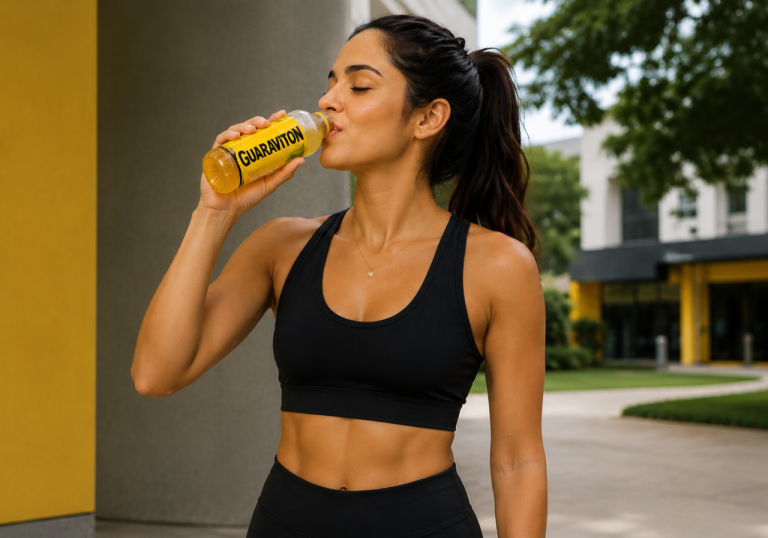

Energy drinks are everywhere, promising a quick fix for fatigue and a boost for your workout. Among them, Guaraviton is a popular choice for many seeking that extra edge. But with so much debate surrounding these beverages, you might be asking, is guaraviton bad for you?
The answer isn’t a simple yes or no. It depends heavily on its ingredients, your consumption habits, and your individual health profile. Understanding what you put into your body is the first step toward achieving your wellness goals. For many, the question of “is guaraviton bad for you” comes from a place of wanting to fuel their body correctly without unintended consequences.
We’ll explore the science behind its key components, from the stimulating effects of guarana to the impact of its sugar content, providing a clear and balanced perspective on this popular drink. This will help you decide if it has a place in your lifestyle or if healthier alternatives might better support your fitness journey!
What is guaraviton?
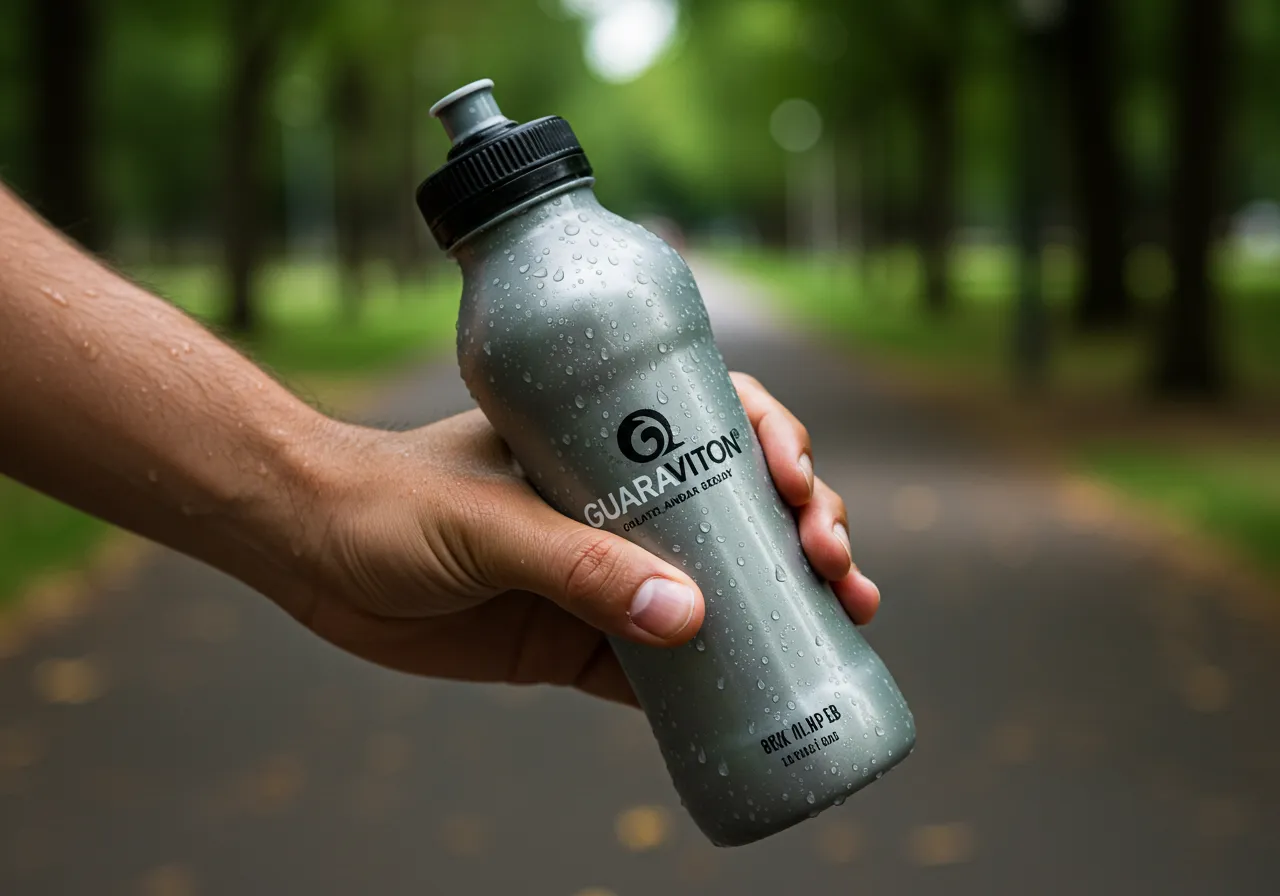
Guaraviton is a brand of non-carbonated energy drink, particularly well-known in Brazil. Its name is derived from its primary active ingredient: guarana. Unlike many fizzy energy drinks, it’s often sold as a still beverage, which some consumers prefer. It is marketed as a source of energy to combat fatigue and improve physical and mental disposition.
At its core, Guaraviton is a blend of specific ingredients designed to deliver a rapid energy boost. The typical formulation includes:
- Guarana extract: A plant native to the Amazon basin, its seeds contain about twice the concentration of caffeine found in coffee beans. This is the main stimulant in the drink.
- Sugar: Most traditional versions of Guaraviton contain a significant amount of sugar, which provides quick, albeit temporary, energy.
- Taurine: An amino acid that is naturally present in the body and plays a role in various metabolic processes.
- B vitamins: Often included to support energy metabolism, though their effect is minimal unless you have a pre-existing deficiency.
Essentially, it’s a caffeine and sugar delivery system flavored with guarana. Understanding the impact of each of these components is key to answering whether it’s a healthy choice for you.
A closer look at the key ingredients
To properly assess Guaraviton, we need to analyze its main components individually. The combination of these ingredients determines its overall effect on your body and health. While marketed as a natural energy source, the high concentration of stimulants and sugar warrants a careful look.
Guarana and caffeine: the double-edged sword
The primary stimulant in Guaraviton is caffeine, delivered through guarana extract. Caffeine is a well-researched substance known for its ability to increase alertness and reduce the perception of fatigue. In moderate doses, it can enhance focus and even improve physical performance, which is why many athletes use it. This boost can be beneficial for both intense cardio sessions and strength training.
However, the high caffeine content can also be a significant drawback. According to the National Institutes of Health, while up to 400 mg of caffeine per day is considered safe for most healthy adults, excessive intake can lead to negative side effects. These include jitteriness, anxiety, heart palpitations, and digestive issues. Furthermore, regular consumption can disrupt sleep patterns, which is detrimental to muscle recovery and overall health. If your goal is muscle hypertrophy, poor sleep can seriously hinder your progress.
The role of sugar and sweeteners
Traditional Guaraviton is loaded with sugar. A single serving can contain as much sugar as a can of soda, contributing a large number of “empty” calories with no nutritional value. This rapid influx of glucose causes a spike in blood sugar, providing a quick burst of energy. However, this is inevitably followed by a “sugar crash,” leaving you feeling more tired than before.
Over the long term, a diet high in sugary drinks is linked to weight gain, an increased risk of type 2 diabetes, and inflammation. To achieve a balanced diet, it is crucial to limit your intake of added sugars. While sugar-free versions of Guaraviton exist, they use artificial sweeteners. The long-term health effects of these sweeteners are still a topic of scientific debate, and for some individuals, they can cause digestive discomfort.
Taurine and b vitamins: helpful or just hype?
Taurine is an amino acid often added to energy drinks. It plays a role in cardiovascular function and the development of the central nervous system. Research suggests it may have antioxidant properties and could potentially improve athletic performance. However, the body can produce its own taurine, and it’s also found in meat and fish. The extra amount in energy drinks is unlikely to offer significant benefits for most people with a balanced diet.
Similarly, B vitamins are crucial for converting food into energy. Energy drinks are often fortified with them and marketed as “energy-boosting” for this reason. While true, most people are not deficient in B vitamins. Therefore, the added vitamins in Guaraviton are often just excreted by the body, making their inclusion more of a marketing tool than a tangible health benefit.
Potential health risks and side effects
While a single Guaraviton is unlikely to cause harm to a healthy adult, regular or excessive consumption poses several health risks. It’s important to be aware of these before making it a staple in your diet, especially if you’re focused on long-term fitness and well-being.
- Cardiovascular strain: The high dose of caffeine can temporarily increase your heart rate and blood pressure. For individuals with pre-existing heart conditions or hypertension, this can be dangerous.
- Sleep disruption: Caffeine has a half-life of about 5-6 hours, meaning it can stay in your system for a long time. Consuming Guaraviton in the afternoon or evening can severely interfere with your ability to fall asleep and achieve deep, restorative rest, which is essential for recovery. Poor sleep is a major obstacle to seeing results from your training.
- Weight gain and metabolic issues: The high sugar content contributes directly to excess calorie intake, which can lead to weight gain and an increase in belly fat. Consistently high sugar intake can also lead to insulin resistance, a precursor to type 2 diabetes. If your goal is to lose belly fat, sugary drinks are one of the first things you should cut.
- Anxiety and nervousness: For those sensitive to stimulants, the caffeine in Guaraviton can trigger or worsen feelings of anxiety, restlessness, and jitteriness. It overstimulates the central nervous system, which can be counterproductive for both mental and physical health.
- Dependence and withdrawal: Regular caffeine consumption leads to tolerance, meaning you need more to achieve the same effect. If you decide to stop, you may experience withdrawal symptoms like headaches, fatigue, and irritability.
Guaraviton vs. other energy sources: a comparison
How does Guaraviton stack up against other common sources of energy? Understanding the differences can help you make a better choice for your specific needs, whether it’s for a morning pick-me-up or a pre-workout boost. A dedicated pre-workout supplement, for example, is formulated very differently.
| Energy source | Typical caffeine | Sugar content | Primary purpose |
|---|---|---|---|
| Guaraviton (500ml) | ~80-160 mg | High (~50g) | General energy boost |
| Black coffee (240ml) | ~95 mg | None | Alertness and focus |
| Green tea (240ml) | ~30-50 mg | None | Mild energy and antioxidants |
| Pre-workout supplement (1 scoop) | 150-300 mg | Low to none | Enhanced athletic performance |
As the table shows, while Guaraviton provides caffeine, it comes with a massive dose of sugar. Coffee or tea offers a cleaner stimulant effect, while a proper pre-workout is designed specifically to enhance training performance without the empty calories. Some athletes even choose to combine creatine with their pre-workout for added strength benefits, a level of precision not offered by a general energy drink.
Who should avoid guaraviton?
While moderation is key for everyone, certain groups should be particularly cautious or avoid energy drinks like Guaraviton altogether. The high concentration of caffeine and sugar makes it unsuitable for many individuals.
Consider avoiding it if you fall into any of these categories:
- Children and adolescents: Health authorities worldwide advise against caffeine consumption for this age group due to its effects on the developing nervous and cardiovascular systems.
- Pregnant or breastfeeding women: High caffeine intake has been linked to adverse pregnancy outcomes, and it can be passed to an infant through breast milk.
- Individuals with heart conditions: Anyone with a history of heart palpitations, arrhythmias, or high blood pressure should avoid potent stimulants like those found in Guaraviton.
- People with anxiety disorders: Caffeine is known to exacerbate symptoms of anxiety, panic attacks, and nervousness.
- Those with sleep disorders: If you already struggle with insomnia or poor sleep quality, adding a powerful stimulant to your diet will only make matters worse. Getting adequate sleep is crucial for hypertrophy and overall health.
- Athletes in a cutting phase: If you’re trying to lose fat while preserving muscle, the empty calories from a sugary drink are counterproductive. A zero-calorie option like black coffee or a sugar-free pre-workout is a much better choice for a cutting phase.
Frequently asked questions
-
Can I drink guaraviton before a workout?
You can, as the caffeine may provide a performance boost. However, the high sugar content can lead to an energy crash mid-workout. A dedicated pre-workout supplement or a simple black coffee are generally better options. For more ideas, check out our guide on what to eat before a workout.
-
How much guaraviton is safe to drink?
For a healthy adult, one serving per day is generally considered acceptable, provided your total daily caffeine intake from all sources remains below 400 mg. Due to its high sugar content, daily consumption is not recommended for optimal health.
-
Is the sugar-free version of guaraviton a healthy choice?
The sugar-free version is a better choice than the original because it eliminates the empty calories and the sugar crash. However, it still contains a high dose of caffeine and artificial sweeteners. Therefore, it should still be consumed in moderation as part of a healthy lifestyle.
Conclusion: a matter of moderation and context
So, is guaraviton bad for you? The verdict is that it’s not an inherently “bad” product, but its high sugar and caffeine content make it a poor choice for regular consumption. For an occasional, infrequent boost, it may be acceptable for a healthy individual. However, relying on it for energy can lead to negative health outcomes, from sleep disruption and anxiety to weight gain and metabolic issues.
For those serious about their fitness, there are far superior ways to fuel your body and enhance performance. Proper hydration: Often, feeling tired is simply a sign of dehydration. Drinking the right amount of water throughout the day is essential for all bodily functions, including energy production. Find out how much water you need to drink daily using the calculator below.
Water Intake Calculator: Find Out How Much Water to Drink per Day
Your result
On average, you should drink:
—
In glasses
How we got this number
A healthy eating plan, adequate hydration, and sufficient sleep are the true foundations of sustainable energy. When you need an extra push, options like black coffee, green tea, or a well-formulated pre-workout supplement offer the benefits of caffeine without the detrimental effects of sugar.
At BeFit, we encourage you to make informed choices that align with your long-term health. Explore our blog for more nutrition tips or download the BeFit app, one of the best workout apps available, to get a personalized training plan that helps you build real, lasting energy and strength.