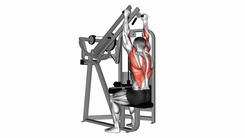
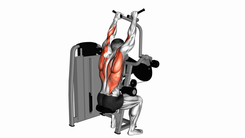
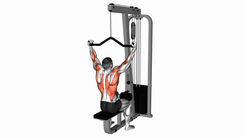
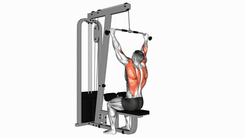
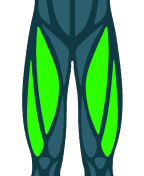
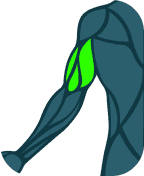
Cable Rear Pulldown
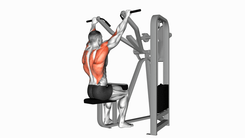
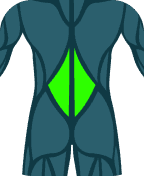
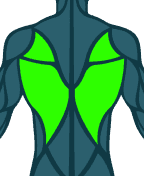
The cable rear pulldown is a high-pulley exercise that targets the back muscles, especially the latissimus dorsi. It's ideal for those looking to increase back width, improve posture, and strengthen the dorsal musculature in an isolated and controlled manner. This is a more advanced movement, requiring good shoulder mobility.
Primary Equipment
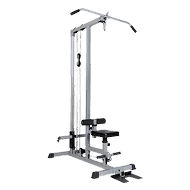 Lat pull down machine (cable)
Key Benefits
- Develops back width and density, particularly in the latissimus dorsi.
- Improves posture by strengthening muscles that pull the shoulders back and down.
- Allows for effective isolation of the lats with constant tension from the cable.
- Can help improve performance in exercises like pull-ups.
Instructions
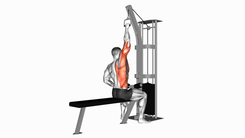
- Sit on the bench with your feet and knees positioned on the support.
- Hold the bar with arms open and extended upwards.
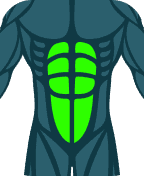
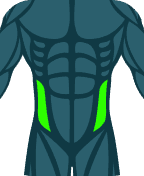
- Keep your torso upright and abdomen contracted.
- Perform the movement by pulling the bar behind the head until it approaches the upper back.
- Return in a controlled manner.
Tips
- Avoid lifting your hip off the seat support.
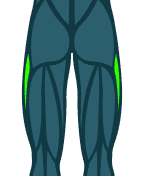
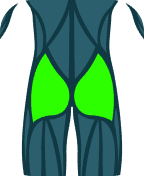
- Keep your abdomen and glutes contracted.
- Avoid impulses and sudden movements.
Restrictions
Avoid if you have a history of shoulder or neck injuries, or cervical spine issues. Individuals with limited shoulder mobility or upper body flexibility should opt for front pulldowns to prevent excessive joint stress. Not recommended for beginners without supervision.
Common Mistakes to Avoid
- Leaning the torso too far forward, reducing focus on the lats.
- Not controlling the eccentric phase (weight ascent), losing part of the stimulus.
- Using excessive weight, compromising form and movement safety.
Frequently Asked Questions
-
Is the rear pulldown more effective than the front pulldown?
Not necessarily. The front pulldown is generally safer and effective for most people, while the rear pulldown may offer a slightly different stimulus to the lats, but with higher risk.
-
Who can perform the rear pulldown?
Only individuals with good shoulder mobility, no history of neck or shoulder injuries, and who can maintain strict form.
-
What is the difference between the rear pulldown and the front pulldown?
The rear pulldown requires the bar to pass behind the head, demanding greater external shoulder rotation and cervical flexion. The front pulldown is performed in front of the body, making it more natural and safer.