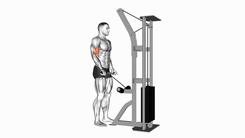
Dumbbell Seated Curl
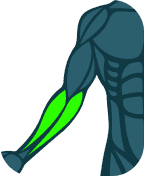
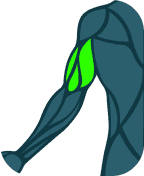
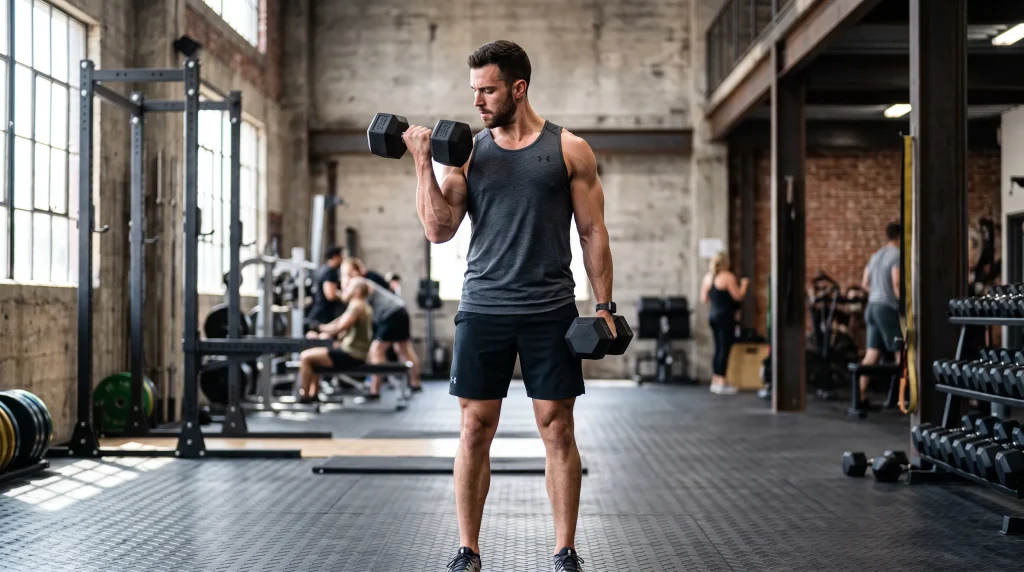
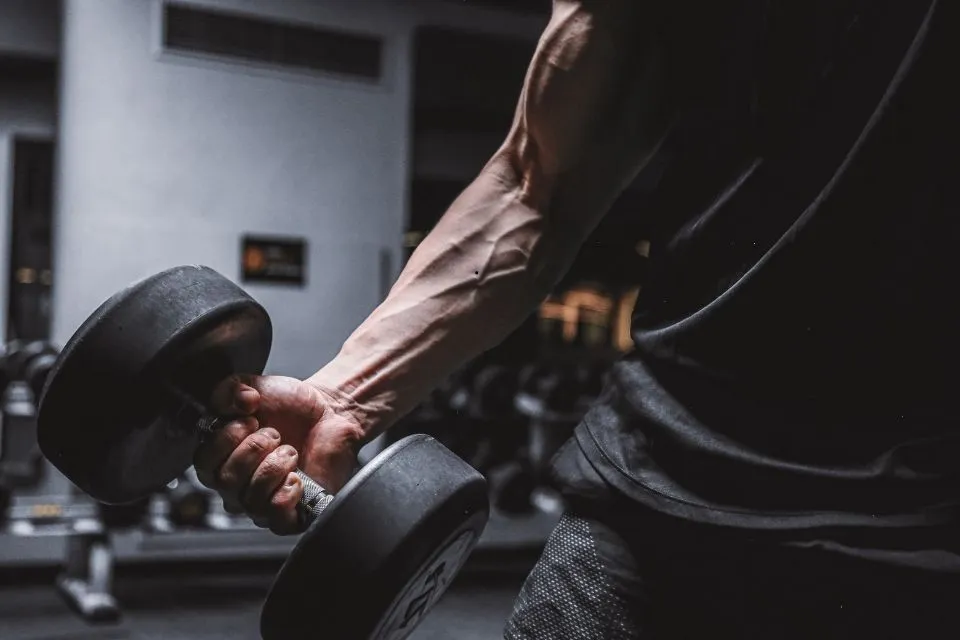
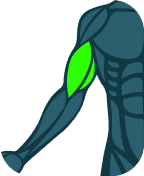
The dumbbell seated curl is an isolation exercise specifically targeting the biceps. Performed while seated, it minimizes body momentum, ensuring the target muscle does most of the work. It's ideal for those looking to build muscle mass and define their arms, suitable for all fitness levels.
Primary Equipment
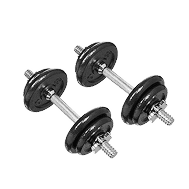 Dumbbells
Key Benefits
- Effective biceps isolation for hypertrophy and definition.
- Reduces the risk of compensation and 'cheating' with other muscles.
- Allows for a strong mind-muscle connection for better activation.
- Helps correct strength imbalances between arms.
Instructions
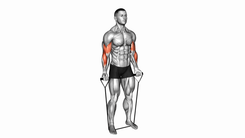
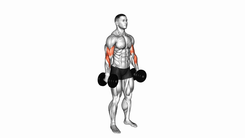
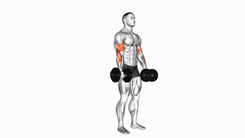
- Keep your torso upright
- Keep your elbow aligned with your torso during the movement
- Fully flex your elbow
- Lower your forearm in a controlled manner
Tips
- Do not swing your elbow forward during the movement
- Avoid letting your elbow move in front of your torso
- Do not flex your torso laterally
- Do not let your torso move backward
Restrictions
Avoid this exercise if you experience acute elbow, wrist, or shoulder pain. Individuals with spinal injuries should consult a professional, as the seated position can, for some, cause discomfort if proper posture isn't maintained. Start with light weights to master the form before increasing the load.
Common Mistakes to Avoid
- Using excessively heavy weights, compromising form and isolation.
- Swinging the torso to assist in lifting the weight, losing biceps focus.
- Not fully extending the arms on the eccentric phase or fully contracting on the concentric.
Frequently Asked Questions
-
What muscles do dumbbell seated curls work?
Primarily the biceps brachii, and to a lesser extent, the brachialis and brachioradialis.
-
Should I perform seated dumbbell curls with palms facing up?
Yes, supination (palms up) maximizes biceps activation, as it is the primary supinator of the forearm.
-
What is the difference between seated and standing dumbbell curls?
The seated version minimizes body momentum, isolating the biceps more, while the standing version allows for slightly more weight due to slight torso momentum.
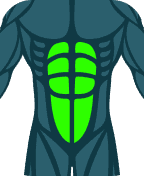
Target Muscle
Primary