Dynamic Plank
The dynamic plank is a core exercise that involves controlled movements from the plank position, such as alternating between high and low plank. It challenges core stability, strengthens the abs, shoulders, and arms, and improves coordination, making it ideal for those seeking a stronger, more functional core.
Key Benefits
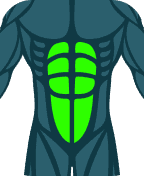
- Intensely strengthens core muscles, including rectus abdominis, obliques, and transverse abdominis.
- Increases shoulder stability and arm strength as they support body weight.
- Improves coordination and body control, requiring smooth and controlled transitions.
- Offers a more challenging variation of the static plank, preventing training plateaus.

Instructions
- Position yourself on the floor with your knees extended and elbows on the ground aligned with your shoulders
- Place your feet apart and in line with your hips
- Keep your knees, hips, and torso fully aligned
- Engage your abdomen, glutes, and scapular muscles
- Extend your elbows alternately and place your palms on the floor, then return by placing your elbows back on the ground and repeat
Tips
- Avoid raising and lowering your torso
- Prevent your hips from dropping
- Do not place your elbows in front of or behind the shoulder line
Restrictions
Individuals with acute shoulder, wrist, or elbow pain should avoid this exercise or perform it with modifications, such as supporting forearms on an elevated surface. Those with lower back pain must ensure the spine remains neutral and the hips do not sway excessively. Begin with static planks to build foundational strength before progressing to the dynamic version.
Common Mistakes to Avoid
- Allowing the hips to sway or rotate excessively during transitions.
- Rounding the back or letting the hips sag, losing spinal neutrality.
- Performing movements too quickly and without control, reducing effectiveness and increasing injury risk.
Frequently Asked Questions
-
What muscles do dynamic planks work?
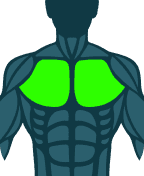
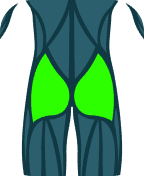
Mainly the core (abs and obliques), shoulders, triceps, and chest, with glute involvement for stabilization.
-
Are dynamic planks suitable for beginners?
Not ideal for absolute beginners. It's recommended to have a solid static plank foundation before attempting the dynamic version.
-
What is the difference between dynamic and static planks?
Static planks maintain a fixed position, while dynamic planks add movement, increasing the challenge to stability and muscular control.
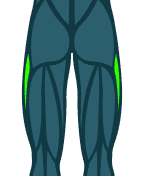
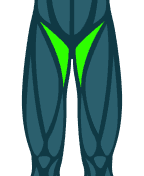
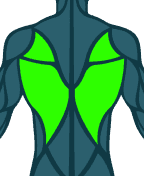
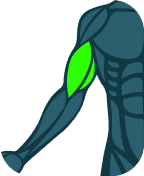
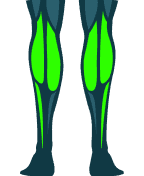
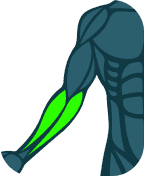
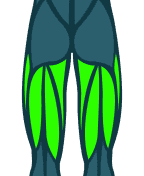
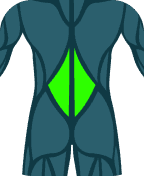
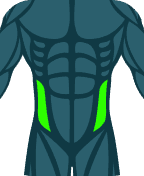
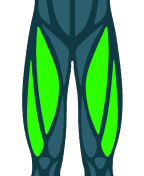
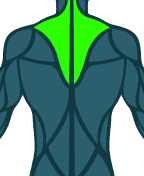
Target Muscle
Primary
Secondary