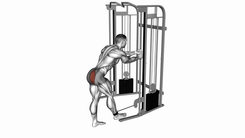
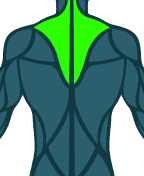
Resistance Band Standing Balance Glute Kickback
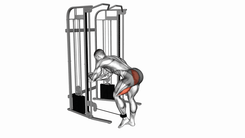
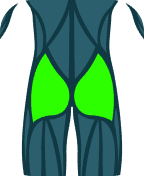
The resistance band standing balance glute kickback is an exercise that strengthens the glutes and improves balance and core stability. It's ideal for anyone looking to activate and strengthen their posterior chain, and it's adaptable for various fitness levels.
Primary Equipment
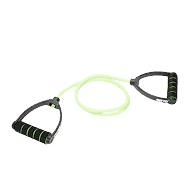 Resistance band
Key Benefits
- Strengthens the glutes, helping to improve buttock shape and function.
- Enhances balance and core stability, essential for daily movements.
- Activates hip stabilizing muscles, preventing injuries and improving posture.
- Can be easily modified to increase or decrease intensity.
Instructions
- Stand upright with the resistance band around your ankles
- Keep your glutes and abdomen contracted and your torso straight
- Perform the movement by lifting your leg backward
Tips
- Avoid performing the movement with your lower back
- Lift and lower in a controlled manner using your glutes and hamstrings
- Avoid jerks and sudden movements
Restrictions
Avoid this exercise if you have acute hip, knee, or lower back pain. Individuals with significant balance issues should use support (like a wall or chair) to prevent falls. If you feel any discomfort, reduce the range of motion or the resistance of the band.
Common Mistakes to Avoid
- Arching the lower back excessively to lift the leg higher, losing glute activation.
- Not keeping the core engaged, compromising balance and stability.
- Using a resistance band that is too strong, leading to compensation with other muscles.
Frequently Asked Questions
-
What muscles do resistance band standing balance glute kickbacks work?
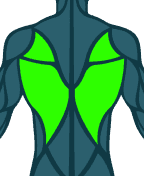
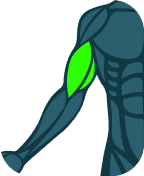
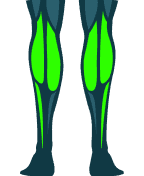
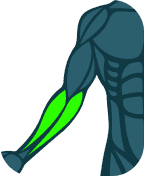
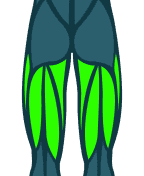
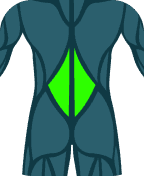
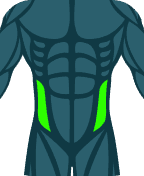
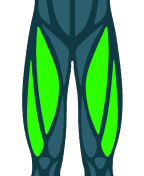
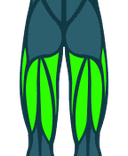
Mainly the glutes (maximus and medius), hamstrings, and core muscles for stabilization.
-
Who can do resistance band standing balance glute kickbacks?
It's a versatile exercise suitable for beginners to advanced individuals, by adjusting band resistance and support.
-
How can I make resistance band standing balance glute kickbacks more challenging?
Use a stronger resistance band, increase the number of repetitions, or add a pause at the point of maximum contraction.
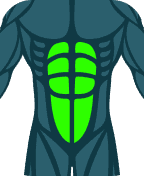
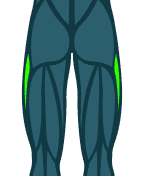
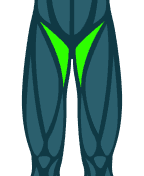
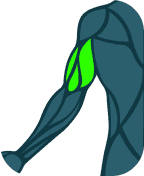
Target Muscle
Primary
Secondary