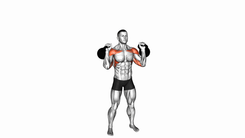
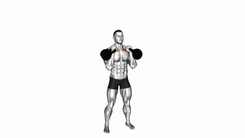
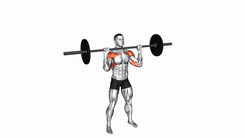
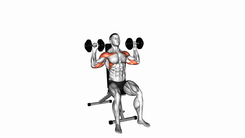
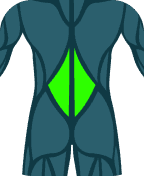
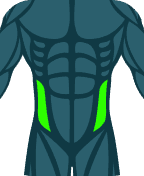
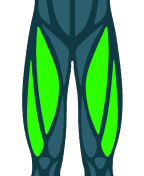
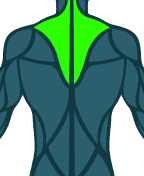
Seated shoulders press dumbbell (parallel)
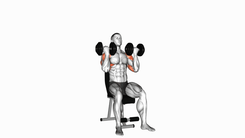
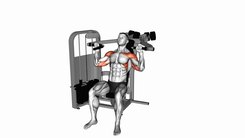
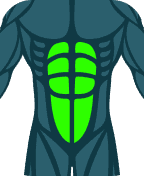
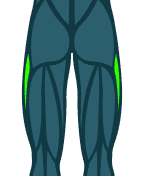
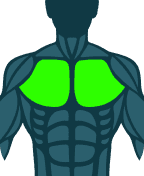
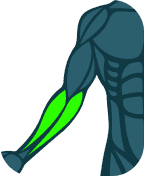
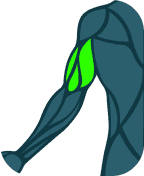
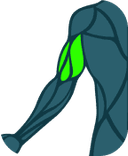
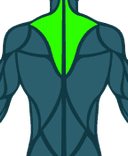
The seated dumbbell shoulder press (neutral grip) is a strength exercise that targets the shoulders (deltoids), triceps, and upper chest. Performing it seated helps isolate the shoulders by removing leg drive, and the neutral grip can be more comfortable for some people's shoulders.
Primary Equipment
 Dumbbells
Key Benefits
- Strengthens the deltoids (shoulders) and triceps, increasing upper body strength and size.
- Improves core stability and posture due to the need to maintain an upright spine.
- The neutral grip can be more comfortable for shoulder joints compared to a pronated grip.
- Allows for independent work on each side of the body, correcting potential muscle imbalances.

Instructions
- Sit with the bar at chest level and your elbows slightly below shoulder height
- Lift the bar upward until your elbows are fully extended
- Contract your abdomen and glutes to stabilize your torso
- Perform the upward and downward movement in a controlled manner
Tips
- Avoid using momentum or sudden movements
- Avoid moving your shoulders forward
- Do not lift your hips and torso off the bench support
Restrictions
Individuals with shoulder, neck, or spine pain should exercise caution or avoid this movement. If there's a history of rotator cuff injuries, consult a professional. Beginners should start with light weights to master form before increasing the load. Keep your back supported to protect your spine.
Common Mistakes to Avoid
- Using excessively heavy weights, compromising form and increasing injury risk.
- Arching the lower back excessively, straining the spine.
- Failing to control the eccentric (lowering) phase, losing muscle tension and exercise benefits.
Frequently Asked Questions
-
What muscles do seated dumbbell shoulder presses (neutral grip) work?
Mainly the deltoids (shoulders), triceps, and to a lesser extent, the upper chest.
-
What's the difference between this exercise and barbell overhead press?
Dumbbells allow for a greater range of motion and independent limb work, while barbells allow for heavier loads and demand more bilateral stability.
-
Can I do this exercise standing?
Yes, it can be performed standing, which engages more of the core and legs for stabilization, but seated isolates the shoulders more.