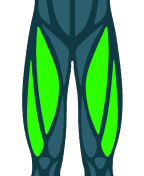
Y shoulder lift
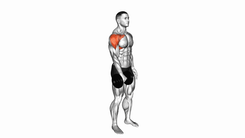
The Y shoulder lift is a strengthening exercise for the posterior shoulders and the muscles of the back that stabilize the shoulder blades. It's ideal for improving posture, preventing shoulder pain, and correcting imbalances caused by prolonged sitting or excessive anterior body work. It can be done with bodyweight or light dumbbells.
Primary Equipment
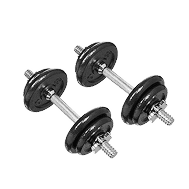 Dumbbells
Key Benefits
- Strengthens the posterior shoulder and scapular muscles.
- Helps improve posture and realign the shoulders.
- Prevents shoulder injuries and pain, especially for those with desk jobs.
- Corrects muscular imbalances caused by pushing exercises.


Instructions
- Place your feet on the ground and lie facing the backrest of the bench inclined at approximately 45 degrees.
- Hold the dumbbells down at shoulder level with your palms facing backward.
- Perform the full elevation movement by bringing the dumbbells in a diagonal direction.
- Lower your arms in a controlled manner.
Tips
- Avoid moving your hip and torso away from the backrest of the seat.
- Keep your abdomen and glutes contracted and maintain trunk posture.
- Avoid impulses and sudden movements.
Restrictions
Avoid if you experience acute pain in your shoulders, neck, or upper back. Individuals with a history of rotator cuff injuries should consult a professional before performing this exercise. Start without weight or with very light dumbbells to master proper form and muscle activation.
Common Mistakes to Avoid
- Using weights that are too heavy, leading to compensation and poor form.
- Shrugging the shoulders towards the ears, activating the upper traps instead of the target muscles.
- Not focusing on back contraction and scapular stabilization, only moving the arms.
Frequently Asked Questions
-
What muscles do Y shoulder lifts work?
Mainly the posterior deltoids, middle and lower trapezius, and rhomboids, which are crucial for scapular stability.
-
Who should do Y shoulder lifts?
It's recommended for anyone looking to improve posture, strengthen the upper back, and prevent shoulder pain or injuries, especially those with a sedentary lifestyle.
-
What's the difference between a Y shoulder lift and a lateral raise?
A lateral raise primarily targets the lateral deltoids, while a Y shoulder lift targets the posterior deltoids and scapular stabilizers, working in a different plane to improve posture.