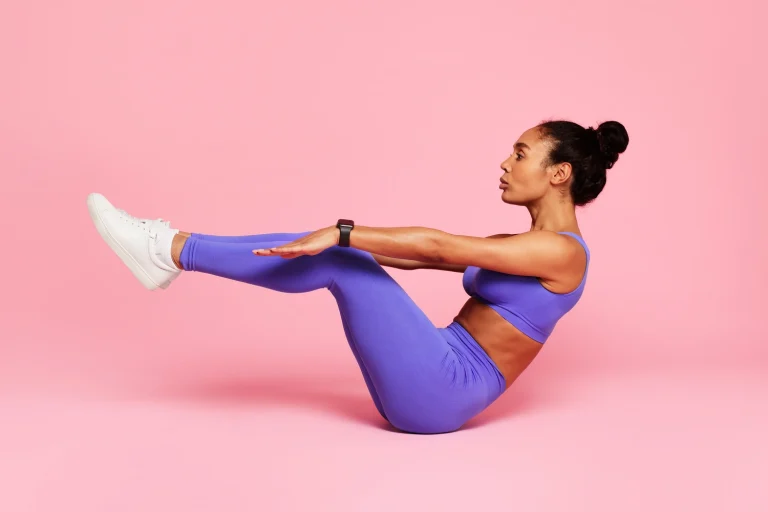

A slimmer waist is one of the most common fitness goals, yet it is also one of the most misunderstood. Many people believe that endless side bends or crunches alone will shrink the waistline. In reality, achieving a more defined midsection requires a combination of smart exercise choices, full-body movement, and consistent habits. When training is approached with clarity and patience, the waist naturally becomes leaner as the body adapts.
This article explores the most effective exercises to help slim the waist while improving strength, posture, and overall body control.
How Waist Slimming Really Works
Before focusing on specific movements, it is important to understand how the waist changes. Fat loss does not occur in isolated spots. Instead, the body reduces fat gradually based on overall energy balance, genetics, and lifestyle. Exercises that burn calories, build muscle, and improve core stability all contribute to a leaner appearance over time.
Another key factor is muscle engagement. Strengthening the deep core muscles helps pull the abdomen inward, creating a flatter and tighter look. When combined with movements that elevate the heart rate, these exercises support visible waist definition.
Plank Variations for Core Control
Planks are among the most powerful exercises for waist shaping. They activate deep abdominal muscles that support the spine and stabilize the torso. Unlike traditional crunches, planks train the core to resist movement, which is essential for posture and balance.
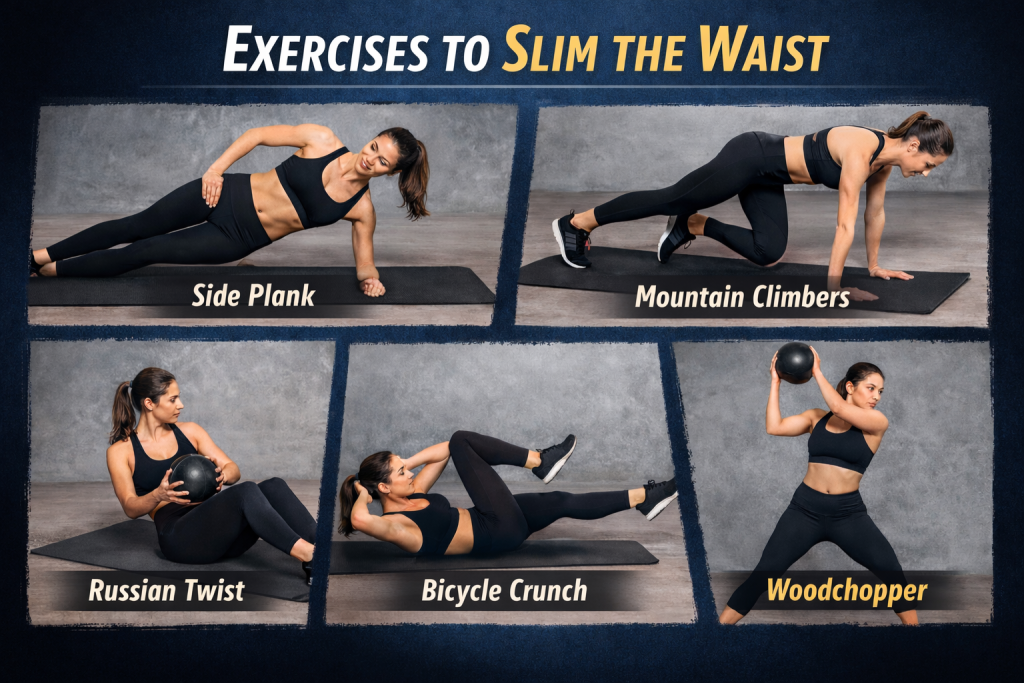
Side planks deserve special attention. By supporting the body on one arm and the side of the foot, this variation targets the obliques without overloading them. Holding the position while maintaining proper alignment encourages strength without adding bulk. Over time, this leads to a firmer waistline.
Mountain Climbers for Fat Burning
Mountain climbers combine core engagement with fast-paced movement. This exercise challenges the abs while also increasing heart rate, making it a strong choice for calorie expenditure. Each knee drive requires the core to stabilize the body, especially when the movement is controlled rather than rushed.
Performing mountain climbers in short bursts improves endurance and coordination. They fit well into circuit-style workouts and can be adjusted for different fitness levels by changing speed or range of motion.
Russian Twists Done with Control
Russian twists can be helpful when performed correctly and with moderation. Sitting on the floor with the torso slightly leaned back, rotating from side to side engages the oblique muscles. The key is control rather than speed.
Using light resistance or body weight prevents excessive strain on the waist. Slow rotations with proper breathing help sculpt the midsection while protecting the lower back. This exercise works best as part of a balanced routine rather than as the main focus.
Standing Core Exercises for Natural Movement
Standing core exercises are often overlooked, yet they are highly beneficial for waist slimming. Movements like standing torso rotations or woodchopper-style patterns mimic natural body actions and recruit multiple muscle groups at once.
These exercises encourage the core to stabilize while the arms and legs move freely. This type of training improves coordination and burns more energy compared to floor-based isolation movements. Standing core work also supports better posture, which instantly enhances waist appearance.
Bicycle Crunches for Dynamic Engagement
Bicycle crunches are a dynamic alternative to standard abdominal exercises. They involve alternating elbow-to-knee contact, activating both the rectus abdominis and obliques. When performed slowly and with intention, they challenge the waist without excessive strain.
Focusing on full extension and controlled rotation increases muscle activation. This exercise also improves coordination and rhythm, making it both effective and engaging.
Full-Body Exercises That Shape the Waist
Slimming the waist is not only about core exercises. Full-body movements play a major role in reducing overall body fat, which directly impacts waist size. Squats, lunges, and push-ups engage large muscle groups, increasing energy expenditure during and after workouts.
Adding these exercises to your routine helps create a balanced physique. As the body becomes stronger and leaner overall, the waist naturally follows. This approach produces more lasting results than focusing on the midsection alone.
Cardio Movements That Support Waist Definition
Cardiovascular exercises support fat reduction, which is essential for a slimmer waist. Activities such as brisk walking, cycling, or jump rope raise the heart rate and encourage calorie use. When combined with strength training, they enhance overall body composition.
Short, intense intervals can be especially helpful. Alternating periods of effort and recovery challenges the body and keeps workouts engaging. This method also saves time while delivering strong metabolic benefits.
The Importance of Breathing and Posture
Breathing patterns and posture have a surprising impact on waist appearance. Deep breathing exercises strengthen the diaphragm and transverse abdominal muscles, which act like a natural corset. Practicing slow, controlled breathing during workouts improves core activation.
Good posture further enhances the effect. Standing tall with the shoulders back and the core gently engaged makes the waist appear narrower instantly. Over time, posture improvements become automatic, reinforcing the results of physical training.
Common Mistakes That Slow Progress
One common mistake is overtraining the obliques with heavy resistance. While these muscles are important, excessive loading can lead to a blocky appearance rather than a slim waist. Balance and moderation are essential.
Another issue is neglecting recovery. Muscles need time to adapt and strengthen. Training the core intensely every day may lead to fatigue or discomfort. Allowing rest days supports better results and reduces injury risk.
How Often Should You Train for Waist Slimming?

Training three to five times per week is sufficient for most people. Core-focused exercises can be included two to three times weekly, combined with full-body and cardiovascular sessions. This structure provides enough stimulus without overwhelming the body.
Consistency matters more than volume. Short, focused workouts performed regularly produce better outcomes than long, irregular sessions. Building a routine that fits your lifestyle increases the chances of long-term success.
Final Thoughts on Slimming the Waist
A slimmer waist is achieved through a thoughtful mix of core strengthening, full-body movement, and supportive habits. Exercises that promote stability, coordination, and calorie use work together to reshape the midsection over time.
Rather than chasing quick fixes, focusing on quality movement and consistency leads to lasting change. With patience and commitment, the waist becomes not just slimmer, but stronger and more resilient, supporting a healthier and more confident body overall.