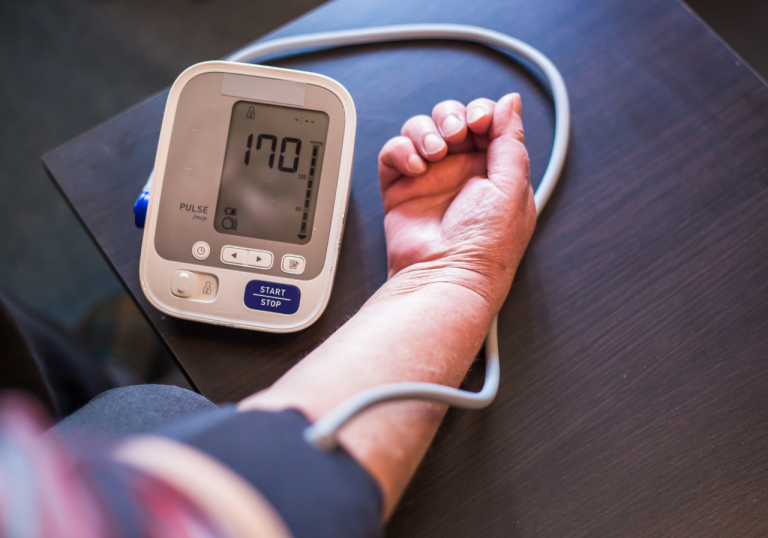

Creatine is one of the most researched and effective supplements for boosting strength and muscle growth. But if you’re managing hypertension, a critical question arises: can you take creatine with high blood pressure? The short answer is maybe, but only with caution and medical guidance.
Navigating supplements gets more complicated with an underlying health condition — you want the performance benefits, but safety comes first. This guide breaks down the science behind creatine’s effects on blood pressure and the precautions to take before starting.
By the end, you’ll understand the relationship between creatine and blood pressure and feel more confident discussing it with your doctor. Managing your health and fitness is a partnership between you and your medical team.
What is creatine and how does it work?
Before we dive into its effects on blood pressure, it’s important to understand what creatine is. Creatine is a naturally occurring compound found in small amounts in foods like red meat and fish. Your body also produces it in the liver, kidneys, and pancreas. About 95% of your body’s creatine is stored in your muscles, where it plays a crucial role in energy production.
Specifically, creatine helps regenerate a molecule called adenosine triphosphate (ATP), which is the primary energy currency of your cells. During short, intense bursts of activity, like lifting weights or sprinting, your muscles use ATP rapidly. Creatine phosphate donates a phosphate group to replenish ATP, allowing you to sustain high-intensity effort for longer. This is why it’s so popular for improving performance and supporting muscle hypertrophy.
When you supplement with creatine, you increase your muscles’ stores of this compound, enhancing your ability to produce energy during demanding workouts. This leads to improved strength, power output, and better gains over time. You can learn more about its functions in our detailed guide on creatine timing and use.
The connection between creatine and blood pressure
The primary concern regarding creatine and blood pressure stems from its mechanism of action. Creatine is an “osmotically active” substance, meaning it draws water into your muscle cells. This process, known as cellular hydration, is beneficial for muscle growth but also leads to a slight increase in total body water. This has led to the question: does creatine raise blood pressure by increasing fluid volume?
For healthy individuals with normal blood pressure, the body of research to date generally suggests that creatine supplementation does not cause a clinically significant increase in blood pressure. Most safety research has focused on kidney markers rather than blood pressure itself, and findings on kidney function have been mixed but have not shown clear evidence of harm in healthy people at standard doses.
However, the situation is more complex for individuals already diagnosed with hypertension. There is less research focused specifically on this population. The theoretical risk is that any increase in water retention could potentially elevate blood pressure. Therefore, while creatine is not known to cause hypertension, its use in those who already have it requires a cautious and monitored approach.
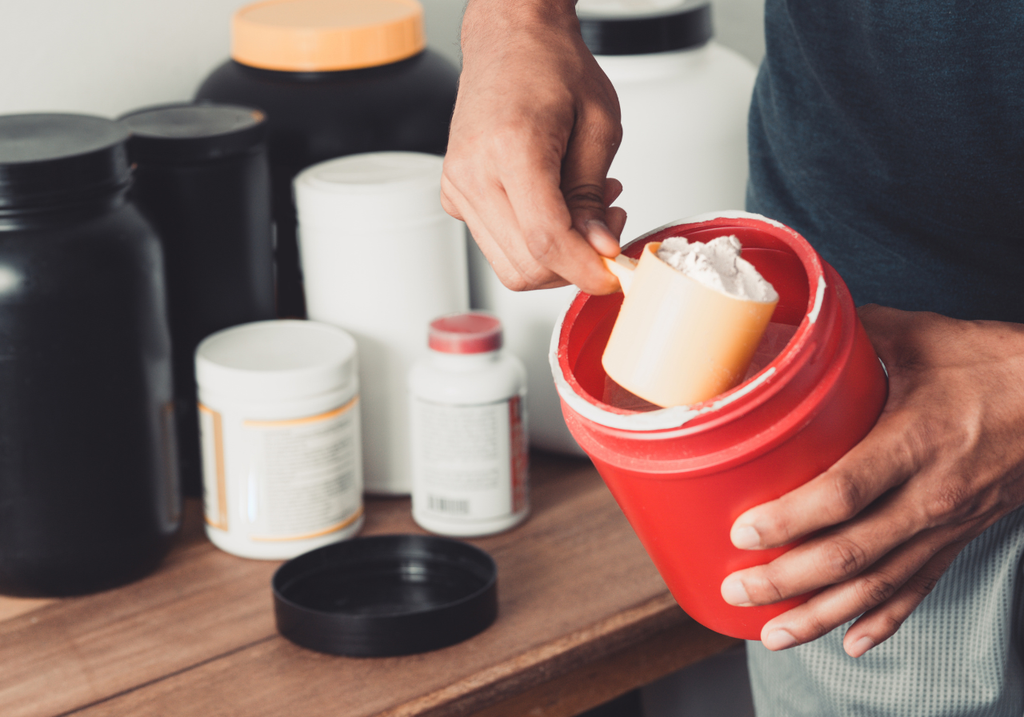
Potential benefits of creatine for active individuals
Even with the necessary precautions for hypertension, it’s worth noting why creatine is so highly regarded in the fitness community. When used appropriately, its benefits are well-documented and can significantly enhance your training efforts. Here are some of the key advantages:
- Increased strength and power: By boosting ATP regeneration, creatine allows you to lift heavier weights and perform more reps, which is a direct driver of long-term strength gains. This is crucial for progressive overload.
- Enhanced muscle growth: Creatine not only helps you train harder but also promotes muscle cell hydration. This “cell volumization” effect can signal anabolic pathways that lead to muscle protein synthesis and growth.
- Improved anaerobic performance: Activities that rely on short, explosive energy bursts, such as sprinting, jumping, and high-intensity interval training (HIIT), benefit greatly from saturated creatine stores in the muscles.
- Faster recovery between sets: By speeding up energy replenishment, creatine can help you recover more quickly between sets, allowing you to maintain a higher intensity throughout your workout.
- Potential neuroprotective benefits: Emerging research suggests that creatine may also support brain health and cognitive function, as the brain is a high-energy-demand organ that also uses ATP.
Key considerations before taking creatine with hypertension
If you are considering taking creatine and have high blood pressure, a proactive and cautious mindset is non-negotiable. The decision should never be made in isolation. The following table outlines the most critical factors to discuss with your doctor before you begin.
How to take creatine safely with high blood pressure
| Consideration | Explanation | Action step |
|---|---|---|
| Medical consultation | Your doctor understands your overall health profile, including kidney function and any medications you take. They are the only person qualified to approve its use. | Schedule an appointment to specifically discuss creatine supplementation. Be transparent about your fitness goals and concerns. |
| Dosage strategy | A “loading phase” (20g/day) causes rapid water retention and should be avoided. A low, consistent maintenance dose is a much safer approach for managing potential fluid shifts. | If cleared by your doctor, start with a 3-5 gram daily dose. There is no need to load. |
| Consistent monitoring | You must track your blood pressure to see how your body responds. This allows you and your doctor to make data-driven decisions about continuing or stopping the supplement. | Invest in a reliable home blood pressure monitor. Take readings at the same time each day for consistency and share the log with your doctor. |
| Medication interactions | Some blood pressure medications, particularly diuretics, affect fluid balance and kidney function. Combining them with creatine without medical supervision is risky. | Provide your doctor with a full list of your medications and supplements to check for any potential negative interactions. |
| Hydration levels | Since creatine pulls water into your muscles, staying well-hydrated is crucial to support kidney function and prevent dehydration, which can impact blood pressure. | Increase your daily water intake. Carry a water bottle with you and drink consistently throughout the day, not just during workouts. |
Use the calculator below to find out how much water you need to drink each day.
Water Intake Calculator: Find Out How Much Water to Drink per Day
Your result
On average, you should drink:
—
In glasses
How we got this number
If you and your doctor have decided that trying creatine is an acceptable option, following a strict protocol is essential. This is not the time for guesswork. Here is a step-by-step approach to incorporating creatine into your routine as safely as possible.
Step 1: Obtain medical clearance
We cannot stress this enough: this is the most important step. Your doctor will assess your baseline blood pressure, check your kidney function (often via a simple blood test), and review your current medications. Only proceed if you receive explicit approval.
Step 2: Choose high-quality creatine monohydrate
Creatine monohydrate is the most extensively studied, effective, and affordable form of creatine. Opt for a micronized powder from a reputable brand, as it dissolves more easily in water. There is no need for expensive, buffered, or esterified forms, as they have not been proven to be more effective or safer.
Step 3: Skip the loading phase and use a low dose
The standard creatine loading phase involves taking about 20 grams per day for 5-7 days to quickly saturate your muscles. This practice can cause more pronounced water retention and is not recommended for anyone with hypertension.
Instead, adopt a maintenance-only approach: a daily dose of 3-5 grams is sufficient to saturate your muscles over 3-4 weeks and is much gentler on your system. Deciding on creatine timing before or after your workout is less important than taking it consistently every day.
Step 4: Prioritize hydration
Because creatine increases water uptake by your muscles, you must increase your fluid intake to compensate. Dehydration can strain your kidneys and affect blood pressure. Aim to drink at least 3-4 liters of water per day, and even more on training days. This helps your body manage the fluid shifts and supports overall cardiovascular health.
Step 5: Monitor your blood pressure and listen to your body
Begin monitoring your blood pressure at home a week before you start creatine to establish a clear baseline. Once you start, continue to check it daily for the first few weeks. If you notice a consistent upward trend or experience symptoms like headaches, dizziness, or unusual shortness of breath, stop taking creatine immediately and consult your doctor.
Working out with high blood pressure: safety first
The question of whether you can work out with high blood pressure is just as important. The answer is a resounding yes: regular physical activity is one of the most effective lifestyle interventions for managing and lowering blood pressure. Both cardio and strength training offer significant benefits.
When strength training, focus on proper form and breathing. A common mistake is holding your breath during heavy lifts (the Valsalva maneuver), which can cause a sharp spike in blood pressure.
Instead, exhale during the exertion phase (e.g., when pushing the weight up) and inhale during the easier phase. Always start your sessions with a proper warm-up before a workout to gradually prepare your cardiovascular system for the demands of exercise.
A balanced routine is key. Combining strength training to build metabolically active muscle with aerobic exercise for heart health is an ideal strategy. You can structure your week using a proven best workout split to ensure you are working all major muscle groups effectively and safely.
Frequently asked questions
-
What precautions should someone with hypertension take before using creatine?
Always consult your doctor first to get your health status and kidney function assessed. If approved, start with a low daily dose of 3-5 grams, skip the loading phase entirely, increase your daily water intake, and monitor your blood pressure regularly to ensure it remains stable.
-
Can creatine affect the kidneys of someone with high blood pressure?
In individuals with healthy kidneys, creatine is generally considered safe. However, since chronic hypertension can be a risk factor for kidney disease, it is crucial to have your kidney function checked by a doctor and get their approval before starting creatine.
-
Is it necessary to consult a doctor before taking creatine with high blood pressure?
Yes, it is absolutely essential. A doctor can evaluate your overall cardiovascular health, check for potential interactions with your blood pressure medications, and provide personalized advice to ensure you can use any supplement safely without putting your health at risk.
-
What symptoms indicate that creatine is affecting blood pressure?
Potential symptoms could include new or worsening headaches, dizziness, unusual shortness of breath, or nosebleeds. However, many people will not feel a change. The only reliable way to know is by regularly monitoring your blood pressure with a home device and reporting any sustained increases to your doctor.
-
Are there any alternatives to creatine for people with hypertension who want to gain muscle mass?
Yes. The foundation of muscle growth is a consistent training program and adequate protein intake. Focus on a high-protein diet with sources like lean meats, fish, and eggs. Supplementing with whey protein is also an excellent way to meet your protein goals. While other performance supplements exist, you must consult your doctor before trying them.
Move Forward Safely, With Your Doctor’s Guidance
So, can you take creatine with high blood pressure? The answer is not a simple yes or no, but a cautious “maybe, with strict medical supervision.”
While research indicates creatine is safe for healthy individuals, the data on its use in people with hypertension is limited. The potential for water retention requires a careful, monitored approach to ensure it doesn’t negatively impact your blood pressure.
The non-negotiable first step is a thorough discussion with your healthcare provider. They are your partner in health and can help you weigh the potential benefits against the risks based on your specific condition. If you get the green light, following a safe protocol—starting with a low dose, skipping the loading phase, staying hydrated, and monitoring your blood pressure—is paramount.
Ultimately, supplements are just one small piece of the fitness puzzle. Consistent training, a balanced diet, and adequate rest are the most powerful tools you have for building a stronger, healthier body.
Use the BeFit app to track your workouts, follow expertly designed programs, and stay motivated on your journey to achieving your goals safely and effectively.