
The hip thrust machine was designed to solve a common problem in lower-body training: how to load the glutes heavily without placing excessive stress on the lower back. Unlike barbell hip thrusts, the machine provides stability, guided resistance, and consistent loading, making it easier to focus purely on glute contraction.
For many people, this leads to better muscle activation, cleaner reps, and faster progress especially when combined with structured guidance from a fitness app that tracks performance and progression.
What makes the hip thrust machine so powerful is its ability to keep constant tension on the glutes throughout the movement, particularly at full hip extension where glute activation peaks.
Understanding What the Hip Thrust Machine Trains
The primary target of the hip thrust machine is the gluteus maximus, the largest and strongest muscle in the lower body. Secondary muscles include the gluteus medius, hamstrings, and core stabilizers.
Strong glutes are not just about appearance they play a key role in posture, hip stability, sprinting speed, jumping ability, and lower-back health.
When the glutes are weak or undertrained, other muscles compensate, often leading to knee discomfort or lower-back strain. This is why consistent hip thrust work is often recommended inside smart lower-body routines generated by a fitness app that balances strength and recovery.
Proper Machine Setup: The Foundation of Safe Progress
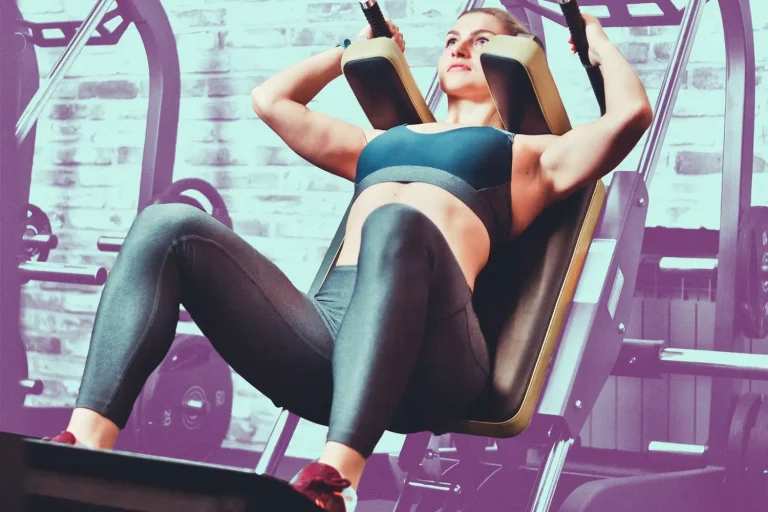
Before moving any weight, setup matters. Adjust the seat and back pad so your upper back or shoulder blades rest comfortably against the support. Your feet should be planted firmly on the platform, roughly shoulder-width apart, with toes slightly turned out.
Your shins should be nearly vertical at the top of the movement. If your feet are too far forward, the hamstrings take over. Too close, and the knees absorb unnecessary stress.
Take a moment to brace your core lightly and ensure your pelvis starts in a neutral position. A rushed setup often leads to poor execution and limits results.
How to Execute the Hip Thrust Machine Correctly
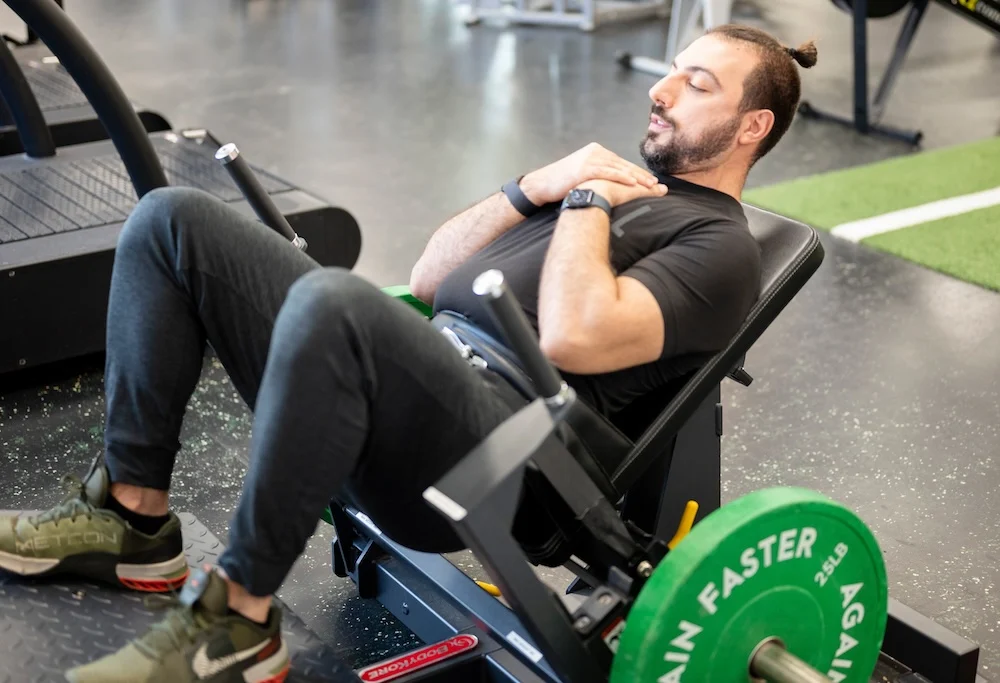
Begin each rep from the bottom with your hips lowered under control. Drive through your heels and push your hips upward, focusing on squeezing your glutes rather than simply moving the weight. The movement should feel like a hinge, not a lower-back extension.
At the top, pause briefly while maintaining tension. Your ribs should stay down, core engaged, and spine neutral. Avoid overextending your lower back to chase a higher range of motion true glute activation comes from hip extension, not spinal arching.
Lower the weight slowly, resisting gravity instead of letting it drop. This controlled tempo increases time under tension and makes each set more effective. Many lifters improve their technique faster when following execution cues provided by a fitness app, which reinforces proper mechanics over time.
Common Mistakes That Limit Glute Growth
One frequent mistake is using excessive weight too early. Heavy loads often cause people to rush reps, shorten range of motion, or compensate with the lower back. Another issue is inconsistent foot placement, which shifts tension away from the glutes from one session to the next.
Neglecting the pause at the top also reduces effectiveness. The glutes respond extremely well to isometric contraction at full extension. Removing that pause means leaving growth on the table.
Where the Hip Thrust Machine Fits in Your Workout
The hip thrust machine works well both early and late in a session. Early placement allows you to prioritize glute strength when energy is highest. Later placement emphasizes hypertrophy by training the muscle under fatigue.
Regardless of placement, consistency matters more than variety. Repeating the same setup for several weeks allows progressive overload to occur naturally especially when loads, reps, and rest periods are monitored through a fitness app instead of relying on memory alone.
Health Benefits Beyond Aesthetics
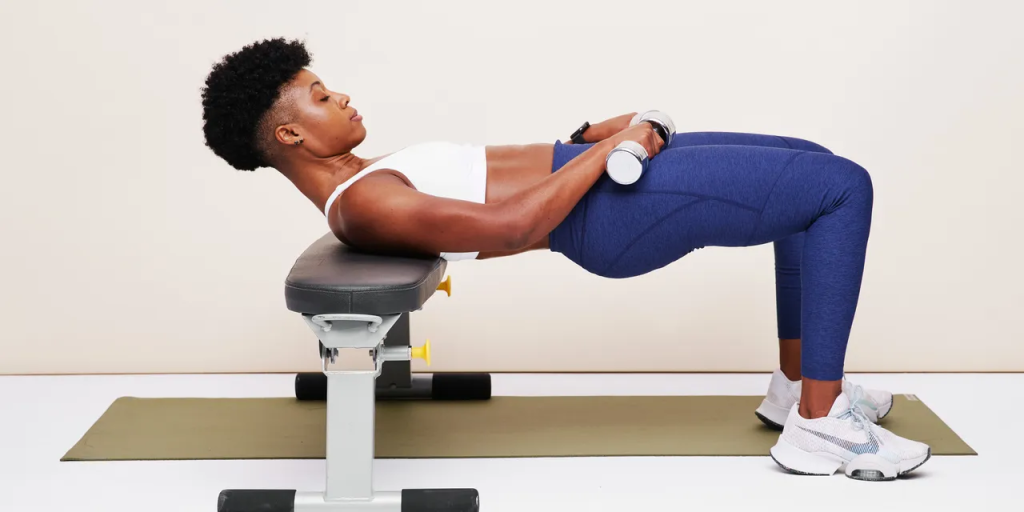
Stronger glutes contribute to better pelvic alignment, reduced lower-back strain, improved knee tracking, and enhanced athletic performance. Daily activities such as walking, lifting objects, and climbing stairs all become more efficient when the glutes are strong and responsive.
For people who sit for long hours, hip thrust training can help counteract the effects of prolonged hip flexion by restoring strength and function to the posterior chain. Many long-term training plans inside a fitness app include hip thrust variations specifically for this reason.
Progression Strategies That Actually Work
Instead of increasing weight every session, aim to progress in stages. First, master technique. Then add reps within a target range. Only once reps feel controlled and stable should load increase.
Tempo control, longer pauses, or additional sets can also drive progress without excessive joint stress. These variables are often overlooked but are crucial for sustainable results.
How Technology Enhances Glute Training
Training alone doesn’t mean training without structure. A high-quality workout platform can help you log sessions, monitor trends, and prevent overuse. A well-designed fitness app removes guesswork by organizing volume, intensity, and recovery into a clear system.
Over time, this structured approach allows the hip thrust machine to become a reliable cornerstone of glute development rather than a random accessory exercise.
-
Muscles
- Primary
-
 Glutes
- Secondary
-
 Hamstrings
-
Instructions
- Sit on the machine’s bench with your back supported by the backrest or fixed bench, usually at scapula height.
- Adjust the padded roller (or load support) so that it is positioned over the iliac crest (front part of the hip) and the feet should be hip-width apart and aligned with the knees.
- Start with your hips lowered, close to the ground, with your knees bent at about 90°, and push your feet against the floor, strongly contracting your glutes, and lift your hips towards the ceiling.
- Bring the hips up until a straight line is formed between the shoulders, hips, and knees at the top of the movement, then lower in a controlled manner and repeat.
-
Important Tips
- Avoid arching the lower back at the top of the movement; the movement should come from the hips.
- Do not lift with your neck or back, keep your torso stable.
- You can use a mat or cushion for the hip if the machine presses too much.
Lever Hip Thrust
Building Long-Term Results With Smarter Planning
Growing and strengthening your glutes is a long-term process built on consistency, proper execution, and intelligent progression. The hip thrust machine offers one of the safest and most effective ways to achieve this, especially when combined with thoughtful programming.
Using tools like a fitness app helps ensure that every session builds on the last turning good workouts into lasting results through clarity, structure, and data-driven decisions.