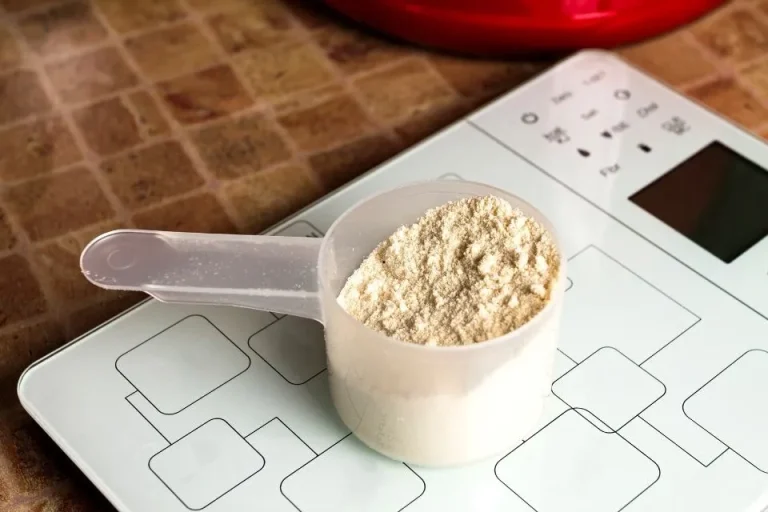


Not all athletes have the same energy every single day, even when following the exact same training plan. That inconsistency is exactly why so many people turn to a pre-workout, whether that means a supplement or a well-planned meal eaten before training. Understanding what actually makes a formula effective is the first step to finding the best pre-workout for your specific body and goals.
The real question isn’t which pre-workout is objectively “the best,” but which one is best for you. The right answer depends on your training goal (hypertrophy, fat loss, or endurance), the time of day you train, and your individual tolerance to stimulants like caffeine. A pre-workout that works beautifully for a morning lifter can backfire completely for someone training late at night.
In this article, we’ll break down the best types of pre-workout, their key ingredients, the most common mistakes people make when using them, and advanced strategies to use them safely and effectively over the long term.
What Is a Pre-Workout and What Does It Actually Do?
A pre-workout is anything you consume before training with the specific goal of improving your performance during that session. It can be a commercial supplement designed and dosed for this purpose, or it can simply be a well-timed meal built around the right combination of carbohydrates and, in some cases, caffeine.
Regardless of the source, a good pre-workout is built to deliver a few key effects:
- Increased energy and drive: This is the most immediate and noticeable effect, especially from stimulant-based formulas.
- Sharper concentration and focus: Many formulas are designed to improve mental clarity, which matters just as much as physical energy during a heavy set.
- Greater strength and endurance output: Certain ingredients directly support your ability to produce more force or sustain effort for longer.
- Reduced perception of fatigue: Some compounds work by dulling the sensation of tiredness, allowing you to push closer to your true physical limit.
You can get these effects in two main ways: through concentrated supplements in powder or capsule form, or through natural foods like coffee, fruit, oats, or beets. Neither option is inherently superior; the right choice depends on your goals, your budget, and how your body responds to concentrated stimulants.
Key Ingredients in the Best Pre-Workout Supplements
Not all pre-workout supplements are created equal, and the difference usually comes down to which active ingredients are included and at what dose. Understanding what each one does will help you read a label with confidence instead of just trusting the marketing on the tub.
Caffeine
This is the backbone of most stimulant pre-workouts. It stimulates the central nervous system, sharpens focus, and reduces the perception of fatigue during exercise. An effective dose typically falls between 3 and 6 mg per kilogram of body weight, though sensitivity varies significantly from person to person.
Creatine
While often included in pre-workout blends, creatine actually works best as a daily supplement rather than something used only before training. It improves strength output and supports muscle recovery, making it particularly valuable for hypertrophy and power-based training.
Beta-alanine
This amino acid delays fatigue by buffering the lactic acid that builds up during intense effort. It’s especially useful for high-intensity training and longer endurance sessions where that “burn” tends to set in.
Citrulline malate
This ingredient improves blood flow and contributes to the muscle “pump” many lifters chase. In practical terms, it helps deliver oxygen and nutrients to working muscles more efficiently during a session.
Combining these four ingredients in the right proportions is generally what separates a well-formulated pre-workout from one that’s mostly flavoring and caffeine.
The Best Natural Pre-Workout Options
If you’d rather skip supplements altogether, real food can absolutely function as an effective pre-workout, and for many people it’s the more sustainable long-term choice.
- Coffee: An affordable, accessible source of caffeine with none of the added fillers found in commercial blends.
- Banana with oats: This combination delivers a mix of fast and sustained energy, making it a solid all-around choice before most training sessions.
- Sweet potato: A slow-releasing carbohydrate that provides steady energy without the sharp spike and crash of simple sugars.
- Beets: Rich in dietary nitrates, beets support better oxygenation during exercise, which can translate into improved endurance performance.
- Honey: A source of fast-absorbing energy, useful when you need a quick boost shortly before training.
For even better results, pairing these choices with a clear understanding of how much protein to eat per day and a strategy for reducing belly fat will help you build a complete nutrition plan around your training, not just a single pre-workout meal.
Practical Pre-Workout Examples by Goal
Matching your pre-workout to your specific training goal makes a real difference in how you feel and perform during the session.
| Goal | Recommended Pre-Workout |
|---|---|
| Hypertrophy | Brown rice + chicken + creatine |
| Fat loss | Coffee + banana + oats |
| Endurance (running/cycling) | Sweet potato + beets + carbohydrate supplement |
| Night training | Fruit + oats (caffeine-free to protect sleep) |
Notice that the night-training option deliberately skips caffeine. That’s not an oversight; it’s a direct response to one of the most common mistakes people make with pre-workouts.
Common Pre-Workout Mistakes
Even a great pre-workout can backfire if it’s used the wrong way. These are the errors that show up most often.
- Overdoing caffeine: Taking too much can cause insomnia, anxiety, and heart palpitations, especially when stacked on top of daily coffee intake from other sources.
- Ignoring individual tolerance: Two people can take the exact same dose and have completely different experiences. What energizes one person can overstimulate another.
- Training fasted without any preparation: Skipping food entirely before a session can lead to a sudden drop in energy partway through your workout.
- Relying only on the supplement: A pre-workout can’t compensate for poor sleep, an unbalanced diet, or inconsistent training. It’s a boost, not a foundation.
Avoiding these mistakes is often what separates people who get real, lasting benefits from a pre-workout and those who just end up feeling jittery and disappointed.
Advanced Strategies to Optimize Your Pre-Workout
Once you’ve got the basics down, a few smarter strategies can help you get more consistent results over time.
- Combine macronutrients: Pairing carbohydrates with protein creates a more balanced, sustained release of energy compared to carbs alone.
- Cycle your stimulants: Taking occasional breaks from caffeine-based pre-workouts helps prevent your body from building up tolerance, so the same dose keeps working over time.
- Adjust to your schedule: Save caffeine for daytime sessions and switch to caffeine-free options for anything close to bedtime.
- Stay properly hydrated: Many of the “off” feelings people blame on a pre-workout are actually just symptoms of inadequate hydration.
Building these habits into your routine turns your pre-workout from a one-off boost into a consistent part of your overall training strategy.
Who Should Avoid Stimulant Pre-Workouts?
Stimulant-based pre-workouts aren’t the right choice for everyone, and knowing when to steer clear is just as important as knowing what to take.
- People with hypertension or heart conditions: Stimulants can raise heart rate and blood pressure in ways that pose a real risk for this group.
- People with severe anxiety: Caffeine and other stimulants can intensify anxiety symptoms rather than simply providing an energy boost.
- Pregnant or breastfeeding women: Unless specifically cleared by a doctor, stimulant pre-workouts should be avoided during pregnancy and breastfeeding.
In any of these cases, natural alternatives like bananas, oats, or sweet potato offer a safer way to fuel a workout without the risks that come with concentrated stimulants.
Your Best Pre-Workout Is the One That Fits You
The best pre-workout isn’t a single product or a universal formula; it depends on your goals, the type of training you’re doing, and your personal tolerance to stimulants. Supplements can absolutely be effective when used correctly, but natural foods offer a safe, accessible way to fuel your training just as well.
Download the BeFit app to build your ideal pre-workout strategy, backed by personalized nutrition and training plans designed around your specific goals.