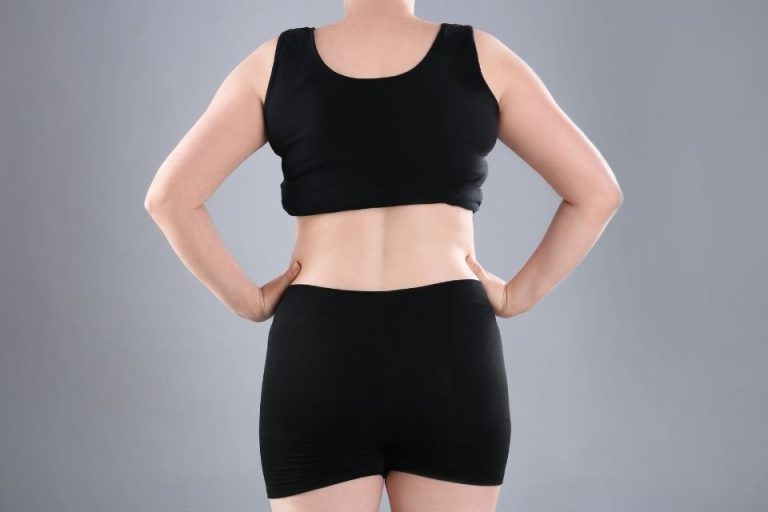


The endomorph body type is one of the most discussed body classifications in fitness and nutrition. People with an endomorph body often have a naturally larger frame, store body fat more easily, and may find weight loss more challenging than other body types. However, understanding how your body responds to food, exercise, and lifestyle habits can make a significant difference in achieving your health and fitness goals.
Whether you’re researching the endomorph body type female, endomorph body type male, or looking for the best endomorph diet, it’s important to remember that body types are not limitations. Instead, they provide a useful framework for creating more personalized nutrition and training strategies.
In this complete guide, you’ll learn the key characteristics of endomorph body types, how they differ between women and men, the best foods to include in an endomorph diet, and the most effective workout approaches to support fat loss, muscle development, and long-term health.
What Is the Endomorph Body Type?
The endomorph is one of the three classic somatotypes defined by psychologist William Sheldon. People with this profile typically have:
- Wider bone structure (broad shoulders and hips)
- Slower metabolism
- Greater ease in gaining fat
- Good strength and ability to build muscle
- Tendency to retain fluids
Note: no one is 100% one type. Most people are a blend of two profiles, such as endo-mesomorph.
Key Characteristics of Endomorphs
- Higher body fat percentage – store fat easily even with regular training.
- Increased appetite – need more control over eating habits.
- Good natural strength – can perform well in strength-based exercises.
- Slower metabolism – burns fewer calories at rest.
- Higher cortisol sensitivity – stress may increase abdominal fat storage.
Endomorph Body Type Female: Common Traits and Challenges
Women with an endomorph body type often have a naturally curvier physique, wider hips, and a greater tendency to store body fat, especially around the hips, thighs, and lower abdomen. While these characteristics can make weight management more challenging, they also come with strengths, such as the ability to build and maintain muscle mass effectively.
Hormonal fluctuations throughout life, including menstruation, pregnancy, and menopause, can further influence how women with an endomorph body type female store fat and respond to diet and exercise.
Common characteristics include:
- A naturally softer body composition
- Easier fat storage compared to other body types
- Strong lower-body musculature
- Good potential for strength development
- Slower response to aggressive weight-loss diets
The key for female endomorphs is focusing on consistency rather than quick fixes. A balanced nutrition plan combined with regular resistance training often produces better long-term results than highly restrictive diets.
Endomorph Body Type Male: How Men Typically Respond to Training
The endomorph body type male is often characterized by a broader frame, thicker joints, and an impressive ability to gain both muscle and body fat. Many successful strength athletes and bodybuilders have endomorphic traits because of their natural capacity for muscle growth.
However, men with an endomorph body type men profile may also notice that excess calories are stored more easily, particularly around the waist and abdomen. For this reason, training and nutrition should be designed to maximize muscle gain while controlling fat accumulation.
Effective strategies include:
- Prioritizing progressive strength training
- Maintaining a high-protein diet
- Staying physically active throughout the day
- Combining resistance training with regular cardio sessions
- Monitoring calorie intake rather than relying on guesswork
Resistance exercises can be performed both in the gym and at home. For example, a structured back workout at home without equipment can help improve posture, build strength, and increase overall calorie expenditure without requiring access to a fitness center.
For most male endomorphs, the goal should not be simply losing weight but improving body composition by increasing lean muscle mass while gradually reducing body fat percentage.
Understanding Different Endomorph Body Types
Not everyone with an endomorph body type looks the same. In reality, most people display a combination of traits from different body types rather than fitting perfectly into a single category.
For example, someone may have the muscle-building potential of an endomorph while also sharing characteristics commonly associated with mesomorphs. Others may naturally carry more body fat but have a relatively fast metabolism.
Some common variations include:
- Predominantly endomorphic physique with higher body fat storage
- Endomorph-mesomorph combination with greater muscularity
- Endomorph-ectomorph combination with a larger frame but lower muscle mass
- Athletic endomorphs who maintain a lean appearance through training and nutrition
Understanding your individual characteristics is more valuable than trying to fit perfectly into one category. The goal is to identify how your body responds to food, exercise, and recovery so you can create a sustainable fitness plan.
Best Endomorph Diet for Fat Loss and Muscle Growth
An effective endomorph diet focuses on supporting muscle growth while managing calorie intake and blood sugar levels. Although no single diet works for everyone, most endomorphs benefit from prioritizing nutrient-dense foods and adequate protein intake.
A well-structured eating plan should include:
- Lean protein sources such as chicken, fish, eggs, and Greek yogurt
- Fiber-rich vegetables and fruits
- Complex carbohydrates like oats, sweet potatoes, and brown rice
- Healthy fats from nuts, seeds, olive oil, and avocado
- Plenty of water throughout the day
Protein intake is especially important because it helps preserve muscle mass during weight loss and supports recovery after training. If you’re unfamiliar with muscle-building principles, understanding hypertrophy can help explain why protein and resistance training work together to improve body composition.
Additionally, combining strength training with regular cardio sessions can increase daily energy expenditure and support fat loss goals. Rather than eliminating carbohydrates entirely, most endomorphs achieve better results by controlling portion sizes and choosing higher-quality carbohydrate sources.
The most successful endomorph diet is not necessarily the strictest one. It’s the plan that can be maintained consistently for months and years while supporting overall health and performance.
Training for Endomorphs: Building Muscle While Managing Body Fat
A well-designed training program is one of the most effective tools for improving body composition in an endomorph body type. While endomorphs may gain fat more easily than other body types, they also tend to have a natural advantage when it comes to building muscle. The key is to combine strength training, cardiovascular exercise, and recovery into a sustainable routine.
Prioritize strength training
Resistance training should form the foundation of an endomorph workout plan. Building muscle increases daily calorie expenditure and helps create a leaner appearance over time.
Focus on exercises that recruit multiple muscle groups at once, such as:
- Squats
- Deadlifts
- Bench presses
- Rows
- Lunges
- Shoulder presses
These compound movements burn more calories than isolation exercises and stimulate greater muscle growth.
Train 3 to 5 times per week
Consistency is more important than training every day. Most endomorphs achieve excellent results with three to five weekly strength-training sessions.
This frequency provides enough stimulus for muscle growth while allowing the body to recover properly. Training too often can lead to excessive fatigue and reduced performance.
A typical weekly schedule might include:
- Upper body workouts
- Lower body workouts
- Full-body sessions
- Active recovery days
Include moderate training volume
Endomorphs generally respond well to moderate or high-volume training because they often recover effectively from resistance exercise.
A good starting point is:
- 3 to 4 sets per exercise
- 8 to 15 repetitions per set
- 60 to 90 seconds of rest between sets
This approach supports both muscle development and calorie expenditure.
Don’t neglect lower-body training
The lower body contains some of the largest muscle groups in the body, making it essential for improving strength and increasing energy expenditure.
Beyond squats and lunges, it’s important to understand the role of the adductor and abductor muscles. These muscles contribute to hip stability, balance, athletic performance, and lower-body strength. Training them properly can also help reduce injury risk and improve movement quality during compound exercises.
Add cardio strategically
Cardio should complement strength training rather than replace it.
Many endomorphs benefit from:
- Brisk walking
- Cycling
- Jogging
- Swimming
- Interval training
Regular cardio sessions can support heart health, improve endurance, and increase overall calorie burn. However, excessive cardio may interfere with recovery and muscle growth if not balanced correctly.
A practical goal is 2 to 4 cardio sessions per week alongside resistance training.
Track progress with technology
One common mistake is relying solely on motivation. Following a structured program often leads to better results than creating random workouts.
Many people use workout apps to track training sessions, monitor progress, schedule workouts, and maintain consistency. Having a clear plan makes it easier to apply progressive overload and stay committed to long-term goals.
Focus on progressive overload
Progressive overload is the principle of gradually increasing training difficulty over time.
This can be achieved by:
- Increasing weight
- Performing more repetitions
- Adding extra sets
- Improving exercise technique
- Reducing rest periods
Without progression, the body adapts and results tend to plateau.
Prioritize recovery
Training creates the stimulus for change, but recovery is when adaptation actually occurs.
For endomorphs, recovery strategies should include:
- 7 to 9 hours of sleep per night
- Adequate protein intake
- Proper hydration
- Rest days between intense sessions
- Stress management
Many people focus exclusively on workouts while overlooking recovery, which can slow progress and increase injury risk.
The ideal approach for endomorphs
The most effective training plan for an endomorph body type combines strength training, regular cardio, proper nutrition, and recovery. Rather than chasing quick weight-loss solutions, endomorphs tend to achieve the best long-term results by building muscle, improving fitness levels, and creating habits that can be maintained consistently for years.
Important to prevent injuries and improve posture. Learn more: what is mobility.
Foods to Prioritize in an Endomorph Diet
Choosing the right foods can make a significant difference for people with an endomorph body. While calorie balance remains important, food quality also affects hunger levels, energy, recovery, and body composition.
Endomorphs should focus on a controlled calorie deficit with nutrient-dense foods.
- Protein first: chicken, fish, eggs, legumes, whey protein. How much protein per day.
- Smart carbs: sweet potato, brown rice, oats, quinoa.
- Healthy fats: avocado, olive oil, nuts, seeds.
- Fiber and vegetables: improve satiety and digestion.
- Hydration and electrolytes: crucial for metabolism and recovery.
The best approach is to prioritize nutrient-dense foods that provide protein, fiber, vitamins, and minerals while helping maintain stable energy levels throughout the day.
| Food Group | Recommended Foods |
|---|---|
| Lean Proteins | Chicken breast, turkey, fish, eggs, Greek yogurt, tofu |
| Vegetables | Broccoli, spinach, kale, asparagus, peppers |
| Fruits | Berries, apples, oranges, pears |
| Complex Carbohydrates | Oats, sweet potatoes, quinoa, brown rice |
| Healthy Fats | Avocados, nuts, seeds, olive oil |
| Beverages | Water, sparkling water, unsweetened tea, black coffee |
Foods that are highly processed, rich in added sugars, or low in fiber can make it more difficult to manage hunger and calorie intake. However, no food needs to be completely eliminated. Sustainable eating habits are usually more effective than restrictive diets.
Many successful endomorphs follow the 80/20 principle, consuming mostly whole foods while allowing room for occasional treats.
Cardio Strategies for Endomorphs
Cardiovascular exercise can be a valuable tool for individuals with an endomorph body type, especially when combined with resistance training and proper nutrition.
Contrary to popular belief, endomorphs do not need to spend hours doing cardio every day. Instead, the goal should be finding a balance that supports fat loss while preserving muscle mass.
Some effective options include:
- Brisk walking
- Cycling
- Running
- Swimming
- Rowing
- HIIT workouts
For beginners, walking is often underestimated. A daily 30 to 45-minute walk can significantly increase calorie expenditure while improving cardiovascular health and recovery.
Those looking to better understand the benefits of cardio can explore how different forms of cardiovascular exercise affect endurance, heart health, and fat loss.
A practical weekly target may include:
- 2 to 3 cardio sessions for muscle-focused goals
- 3 to 5 cardio sessions for fat-loss goals
- At least 150 minutes of moderate activity per week
The most effective cardio routine is the one that can be maintained consistently over time.
Common Mistakes Endomorphs Should Avoid
Many people with an endomorph body type struggle not because of their body type itself, but because of common mistakes that limit progress.
Following extreme diets
Crash diets may produce rapid weight loss initially, but they are difficult to maintain and often result in muscle loss and weight regain.
Doing too much cardio
Excessive cardio can increase fatigue, reduce recovery, and make strength training less effective.
Ignoring strength training
Many endomorphs focus exclusively on burning calories. However, building muscle is one of the most effective ways to improve long-term body composition.
Being inconsistent
Results come from habits repeated over months, not weeks. Consistency usually beats perfection.
Focusing only on the scale
Body weight does not tell the whole story. Muscle gain and fat loss can occur simultaneously, leading to positive body composition changes even when weight remains stable.
Can Endomorphs Lose Weight and Get Lean?
Absolutely. One of the biggest myths surrounding the endomorph body type is that losing fat is nearly impossible.
While endomorphs may store fat more easily than some other body types, they can successfully lose weight and achieve a lean physique through a combination of:
- Consistent calorie control
- High-protein nutrition
- Regular strength training
- Strategic cardio
- Quality sleep
- Long-term adherence
In fact, many endomorphs develop impressive physiques because they tend to build muscle effectively. As muscle mass increases, metabolic health and body composition often improve as well.
The key is avoiding the expectation of overnight results. Sustainable fat loss typically occurs gradually, allowing the body to maintain muscle while reducing body fat percentage.
Frequently Asked Questions
How do endomorphs lose fat?
Endomorphs lose fat by creating a consistent calorie deficit while preserving muscle mass through strength training. The most effective approach combines a balanced endomorph diet, regular resistance exercise, adequate protein intake, and cardio. Sustainable habits typically produce better long-term results than extreme diets or excessive exercise.
What food should endomorphs avoid?
There are no foods that endomorphs must completely avoid. However, limiting highly processed foods can make fat loss easier. These include:
- Sugary drinks
- Candy and desserts high in added sugar
- Fast food
- Refined carbohydrates such as white bread and pastries
- Ultra-processed snacks
Instead, focus on lean proteins, vegetables, fruits, healthy fats, and high-fiber carbohydrate sources.
Is endomorph chubby?
Not necessarily. The term endomorph refers to a body type that tends to store fat more easily and often has a larger frame. However, an endomorph can be lean, athletic, muscular, or overweight depending on their lifestyle, nutrition, and activity level. Body type influences tendencies, but it does not determine appearance.
Can endomorphs lose weight by walking?
Yes. Walking is one of the best forms of exercise for many endomorphs because it increases daily calorie expenditure with minimal stress on the body. Consistent walking, especially when combined with strength training and a healthy diet, can contribute significantly to weight loss and overall fitness.
A daily goal of 8,000 to 12,000 steps can help support fat-loss efforts while improving cardiovascular health and recovery.
Build a Plan That Works for Your Endomorph Body Type
Having an endomorph body type is not a limitation. It’s simply one factor that influences how your body responds to nutrition and exercise.
By understanding your body’s tendencies, prioritizing a balanced endomorph diet, following a structured training program, and staying consistent with healthy habits, you can successfully build muscle, lose fat, and improve your overall health.
Rather than searching for quick fixes, focus on creating a sustainable lifestyle that supports your goals for the long term.
Ready to take control of your nutrition and training? Download the Befit app and access personalized workout plans, nutrition tools, and fitness tracking designed to help you achieve lasting results.