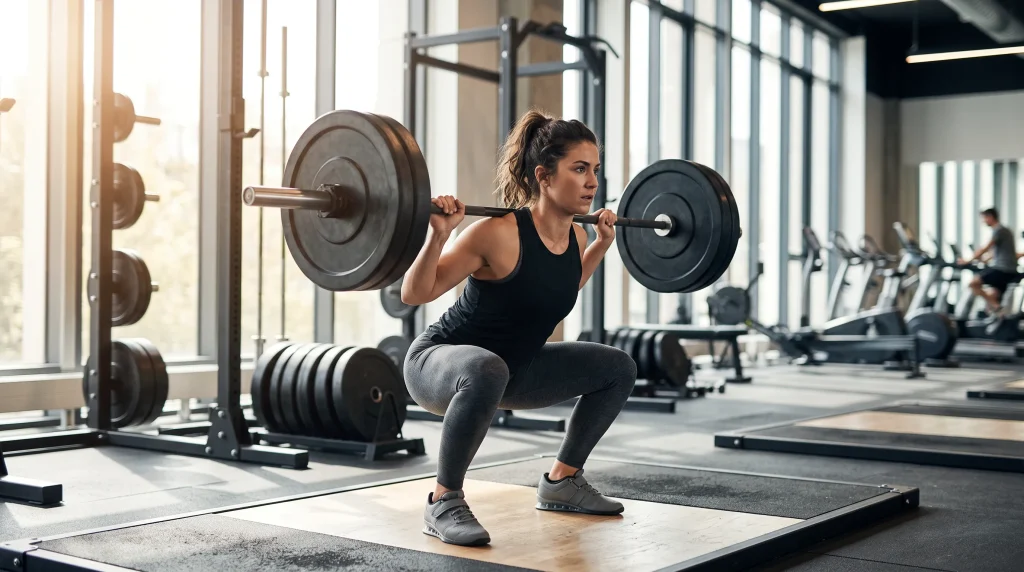

If you have ever felt that burning sensation in your muscles that forces you to stop a set short, you know how frustrating it can be to hit a wall during your workout. This is where supplementation can play a role, and if you are wondering what does beta-alanine do, you have come to the right place. This amino acid is a staple in many pre-workout formulas for a good reason: it directly targets muscular fatigue, helping you train harder and longer.
Understanding what beta-alanine does is key to unlocking new levels of performance. It is not about a sudden jolt of energy, but rather about increasing your capacity to sustain high-intensity effort. It works by boosting a specific compound in your muscles that fights off the acid buildup responsible for that all-too-familiar burn.
In this guide, we’ll explore exactly how this supplement works, its proven benefits, and how to incorporate it into your routine effectively and safely, so you can make an informed decision about whether a beta-alanine supplement is right for you.
What is beta-alanine?
Unlike many amino acids you might be familiar with, beta-alanine is a non-essential amino acid: your body can produce it on its own, so you do not strictly need it from your diet. Instead of being used to synthesize proteins like many other amino acids, your body uses beta-alanine to produce carnosine.
Beta-alanine combines with another amino acid, L-histidine, to form carnosine, which is then stored in your muscles and brain. You can get some beta-alanine from foods like meat, poultry, and fish, but the amounts are generally too small to significantly boost muscle carnosine levels — which is why many athletes and gym-goers turn to a beta-alanine supplement instead.
Think of beta-alanine as a building block: by itself, it doesn’t do much for performance, but by providing your body with more of it, you enable it to build more carnosine, the compound that directly impacts your workout endurance. It’s a tool for enhancing your body’s natural fatigue-fighting system, not a quick-fix stimulant.
How beta-alanine works in your body
The mechanism behind beta-alanine is a solid lesson in exercise physiology. During high-intensity exercise, your body relies on glycolysis for quick energy, and a byproduct of this process is the production of lactate and hydrogen ions (H+). As these hydrogen ions accumulate, the pH level in your muscles drops, making them more acidic — a primary cause of neuromuscular fatigue.
[ALTERED] This acidity interferes with the enzymes involved in energy production and reduces your muscle fibers‘ ability to contract efficiently, which is why you feel that distinct “burn” and eventually have to stop. This is where carnosine, produced from beta-alanine, comes in: it acts as an intracellular buffer, soaking up these excess hydrogen ions and helping maintain a more optimal pH balance in your muscles during intense exertion.
Taking a beta-alanine supplement increases the concentration of carnosine in your muscles. With more carnosine available, your muscles have a greater capacity to buffer acidity, which delays the onset of fatigue and lets you sustain high-intensity effort for longer — squeezing out those extra, growth-stimulating reps or holding your pace during a tough conditioning session.

The primary benefits of taking a beta-alanine supplement
The effects are most pronounced in activities that cause significant lactic acid buildup, typically those lasting between one and ten minutes. Here are the main advantages supported by research.
- Increases muscular endurance: This is the most well-documented benefit. By buffering acid, beta-alanine allows you to perform more work before reaching exhaustion. For weightlifters, this often translates to completing one or two more repetitions per set, especially in the 8-15 rep range. Over time, this additional volume can lead to greater gains in strength and size.
- Delays time to exhaustion: Studies consistently show that beta-alanine supplementation can increase the total time an athlete can perform an exercise. For example, a cyclist might be able to maintain a high-intensity pace for longer, or a rower could improve their time trial performance. This is crucial for competitive athletes and anyone looking to improve their cardio performance.
- Enhances training volume: Because you can do more work in each training session, you can accumulate a higher total training volume. Increased volume is a primary driver of muscle hypertrophy. Therefore, beta-alanine can indirectly contribute to muscle growth by enabling you to handle more demanding workouts.
- Improves performance in high-intensity activities: Its effects are most potent during anaerobic exercise. This includes activities like HIIT, CrossFit, sprinting, and resistance training. A comprehensive 2022 review confirmed that it is particularly effective for exercise bouts lasting 30 seconds to 10 minutes, which covers a wide range of common training styles.
- Synergistic effects with creatine: Some research suggests that combining beta-alanine with creatine may offer additional benefits. While beta-alanine boosts endurance and creatine enhances short-burst power output, together they may lead to greater improvements in strength, lean mass, and overall performance. You can learn more about mixing creatine with pre-workout for better results.
A well-cited review published in the Journal of the International Society of Sports Nutrition analyzed multiple studies and concluded that beta-alanine supplementation consistently enhances exercise performance, particularly in high-intensity tasks — solid backing for its reputation as an effective ergogenic aid.
How to take beta-alanine for optimal results
To get the most out of your beta-alanine supplement, follow proper dosing and timing protocols. Unlike stimulants that provide an immediate effect, beta-alanine works by accumulating in your muscles over time, so consistency matters far more than any given day’s timing.
The clinically effective dosage ranges from 3.2 to 6.4 grams per day. Most people begin with a “loading phase” — taking 4 to 6 grams daily for the first two to four weeks — to saturate their muscles with carnosine more quickly. After this period, you can drop to a maintenance dose of around 3.2 grams per day to keep your carnosine levels elevated.
A common concern is the tingling sensation known as paresthesia. To minimize this, split your daily intake into smaller doses of 1.6 grams or less, taken several hours apart. Taking beta-alanine with a meal can also help, since it may slow absorption and further reduce the tingling. You don’t need to take it right before training for it to be effective — the key is simply hitting your daily total consistently.
Summary of dosing strategies
To make it easier to follow, here’s a table summarizing the best practices for taking beta-alanine.
| Strategy | Recommendation | Rationale |
|---|---|---|
| Daily Dosage | 3.2–6.4 grams | This is the clinically effective range for significantly increasing muscle carnosine levels and improving performance. |
| Loading Phase | Take 4–6.4 g/day for 2–4 weeks | This approach helps to quickly saturate muscle carnosine stores, allowing you to experience the benefits sooner. |
| Maintenance Phase | Take 3.2 g/day | After the loading phase, this dose is sufficient to maintain elevated carnosine levels for ongoing performance enhancement. |
| Dose Splitting | Split daily total into 2–4 smaller doses (e.g., 1.6 g) | This is the most effective way to minimize or prevent the harmless tingling sensation (paresthesia) associated with larger single doses. |
| Timing | Consistency is more important than specific timing | Beta-alanine is a saturation supplement. Taking it daily, regardless of workout time, is what ensures its effectiveness. |
Potential beta-alanine side effects and how to manage them
Beta-alanine is considered a safe supplement for healthy individuals, but there’s one very common side effect: paresthesia, a harmless tingling or itching sensation typically felt on the skin of the face, neck, and hands. It usually begins 15-20 minutes after ingestion and can last up to an hour.
This tingling happens because beta-alanine can bind to and activate specific nerve receptors under your skin. It’s not an allergic reaction and isn’t dangerous, though it can be uncomfortable. The intensity is dose-dependent — larger single doses cause a more pronounced effect, which is why splitting your daily intake into smaller doses is recommended.
A more theoretical concern is the potential for taurine depletion, since beta-alanine and taurine share the same transporter for absorption into tissues. In theory, very high doses of beta-alanine could reduce taurine levels, but human studies haven’t shown this to be a significant issue at standard recommended dosages. As with any supplement, stick to the proven effective range, and check with a healthcare professional if you have pre-existing conditions.
Frequently asked questions
-
Does beta alanine improve workout endurance?
Yes, absolutely. Beta-alanine improves workout endurance by increasing muscle carnosine levels. This helps buffer acid buildup during high-intensity exercise, which in turn delays the onset of muscle fatigue and allows you to perform more work.
-
Why does beta alanine cause tingling?
Beta-alanine causes a harmless tingling sensation called paresthesia because it activates specific nerve endings in the skin. This effect is temporary and not a sign of a negative reaction. It can be managed by taking smaller doses.
-
What are the side effects of beta alanine?
The primary and most common side effect is paresthesia, a temporary tingling or itching sensation on the skin. This is harmless. Otherwise, beta-alanine is well-tolerated and considered safe at recommended doses for healthy individuals.
-
Should beta alanine be taken before or after a workout?
It does not matter whether you take it before or after a workout. Beta-alanine works through saturation, meaning its effectiveness depends on keeping muscle carnosine levels consistently high over time, not on acute timing around your training session.
Making beta-alanine work for your training
Beta-alanine is a genuinely useful tool for enhancing muscular endurance and delaying fatigue during intense exercise. By increasing your body’s production of carnosine, it helps you fight off the acid buildup that cuts your sets short, letting you push harder and for longer.
Remember that a beta-alanine supplement is most effective for high-intensity activities lasting one to ten minutes. It’s not a stimulant, but a saturation supplement that requires consistent daily use to work — follow the proper dosage protocols and split your intake to get the benefits while minimizing the tingling side effect.
Beta-alanine can be a valuable addition to a well-structured training and nutrition plan. For a truly optimized approach, consider logging your workouts with the Befit app to track your progress and see firsthand how supplements like beta-alanine impact your performance over time.