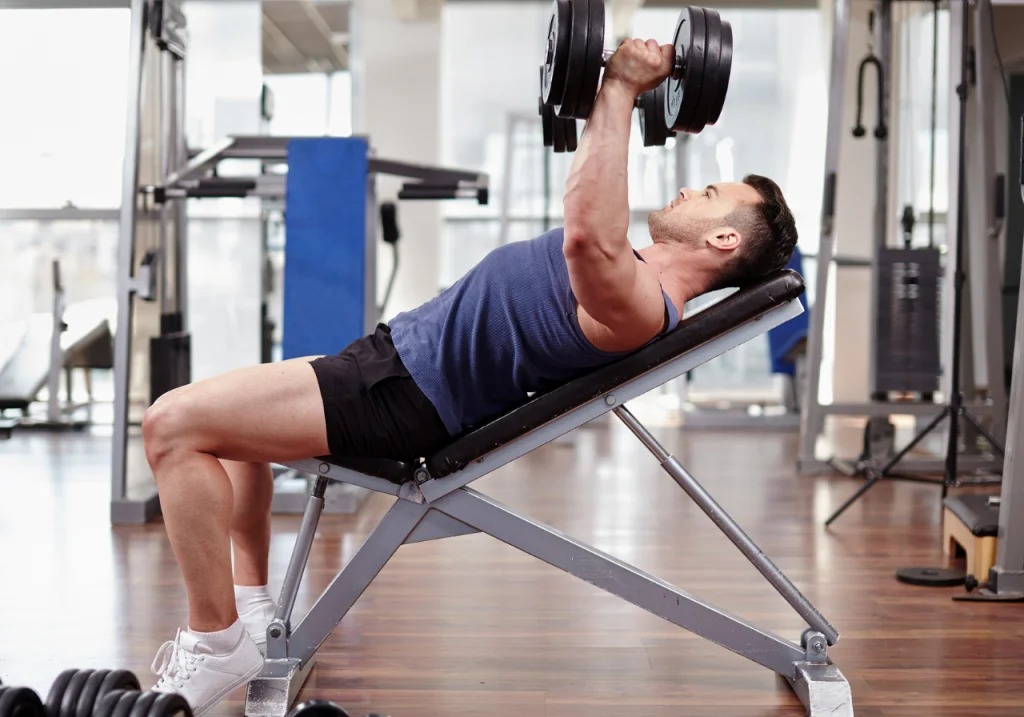
Training alone can feel intimidating at first, especially when you’re unsure how to structure your session or how to use certain equipment. But the more familiar you become with your gym layout machines, free-weight zones, cable stations, stretching areas the more confident you’ll feel.
Spend your first few solo sessions simply exploring: read machine diagrams, observe movement patterns around you, and test equipment with light resistance. Knowledge creates comfort, and comfort creates consistency.
Choose a Simple Structure Before Adding Complexity
A common mistake people make when training without a trainer is trying to mimic advanced routines they see online. Instead, start with a clear, simple framework that guides your session:
- Main lift (squat, bench, deadlift, row, or overhead press)
- Secondary compound movement
- Isolation work for targeted areas
- Optional conditioning finisher
This structure keeps your workout focused, organized and easy to repeat. Without a trainer correcting you, simplicity protects you from overwhelming decisions and keeps your intensity on track.
Use Machines for Safety and Free Weights for Growth
When you don’t have a trainer spotting you, machines can help you train safely while maintaining control and minimizing injury risk. They also help you learn proper movement mechanics with less fear of error.
As you gain confidence, gradually incorporate dumbbells and barbells. Free weights build stability, recruit more muscle groups and help you develop stronger movement patterns but they require patience and proper form to master.
Learn Technique Slowly and Intentionally

Without a trainer adjusting your form, you become your own coach. This means slowing down reps, paying attention to joint positions, and prioritizing control over load.
Videoing your sets can be incredibly valuable. Watching your own movement teaches you to identify imbalances, misalignments or rushed reps details you’d normally rely on a trainer to point out.
Clean form is the foundation of every goal: strength, muscle growth, injury prevention and long-term progress.
Start With Manageable Weights and Build Gradually
It’s tempting to push heavy loads early on, especially when training solo. But progression happens faster and far safer when you increase weights conservatively.
Use a load that allows perfect technique for every rep. When it feels too easy for multiple sessions in a row, increase by small increments. This method keeps your joints healthy and your confidence high, two things essential when you don’t have a trainer guiding your intensity.
Follow Programs Instead of Random Workouts
Training alone becomes far easier when you follow a structured routine instead of improvising every session. Programs offer direction, progression and balance — all things a trainer would normally provide.
Look for routines built around balanced movement patterns, consistent progression and weekly structure. This prevents overtraining certain muscles while neglecting others, and ensures your sessions keep moving you forward.
Warm Up With Purpose, Not Just Habit

A warm-up without intention has little benefit. When training alone, take a few minutes to prepare your body in a targeted way:
- Light cardio for general readiness
- Dynamic mobility for hips, shoulders and spine
- Activation drills for the muscles you’ll train
This reduces injury risk and improves performance — the kind of preparation that often gets overlooked when a trainer isn’t present to enforce it.
Use Rest Times Strategically to Maintain Performance
In the absence of a trainer pacing your sets, it’s easy to rush or rest too long.
Strength movements generally need longer breaks; accessory exercises need shorter ones.
Keeping rest intervals consistent helps you maintain intensity, regulate fatigue and stay in control of your session.
Structure replaces supervision and makes your training smoother, cleaner and more predictable.
Track Your Workouts for Steady Progress
Without a trainer monitoring your progression, logging becomes your most valuable tool.
Record your lifts, reps, rest times and overall difficulty. This gives you a clear map of where you’re improving and what needs adjustment. Progress tracking keeps you accountable, focused and motivated — especially on days when discipline feels challenging.
Let AI-Based Tools Fill the Coaching Gap
Training alone doesn’t mean training without guidance.
Apps like Befit act as your digital coach: generating personalized routines, teaching you technique, adjusting intensity based on your performance and helping you progress safely without a personal trainer.
You get structure, confidence and clarity exactly what most solo gym-goers lack.
If you want a smarter, safer and more efficient way to train independently, download Befit and transform your solo workouts into a structured, effective and confidence-building routine.