
Finding the perfect workout split can feel like a never-ending quest. You have likely heard of the classic Push/Pull/Legs (PPL) and Upper/Lower routines, but what if you could combine the best of both? The PPL upper lower split is a powerful hybrid training system designed for those who want to maximize muscle growth and strength without living in the gym. It offers a brilliant balance between training frequency, volume, and recovery.
If a traditional 6-day PPL feels too demanding or a 4-day upper/lower split leaves you wanting more, the PPL upper lower program might be your ideal solution. This 5-day routine intelligently blends the focused, high-intensity days of a PPL split with the full-body synergy of an upper/lower workout. Consequently, it allows you to hit every major muscle group with optimal frequency, paving the way for consistent progress.
This guide will break down everything you need to know about the PPL upper lower split. We will explore how it works, its primary benefits, and how you can structure a complete PPL upper lower workout plan to fit your goals. Whether you are an intermediate lifter looking to break through a plateau or an advanced athlete seeking a more sustainable schedule, this hybrid approach offers a structured path to serious results.
What is the PPL upper lower split?
To understand this hybrid, let’s first quickly define its components. A traditional workout split organizes your training week. The PPL split divides workouts into three categories: push days (chest, shoulders, triceps), pull days (back, biceps), and leg days (quads, hamstrings, glutes, calves). An upper/lower split divides training into upper body days and lower body days.
The PPL upper lower hybrid combines these two popular methods into a 5-day training week. This structure allows you to train each muscle group with a higher frequency than a traditional body-part split but with more recovery than a demanding 6-day PPL routine. It’s the perfect middle ground for many fitness enthusiasts.
A typical weekly schedule looks like this:
- Day 1: Push
- Day 2: Pull
- Day 3: Legs
- Day 4: Rest
- Day 5: Upper Body
- Day 6: Lower Body
- Day 7: Rest
This schedule ensures that you hit every muscle group twice within a seven-day cycle. The first three days are specialized and intense, while the last two training days provide a second, different stimulus to promote further growth and strength gains. This answers the common question, “what is PPL upper lower?” by showing its practical, effective structure.
How the hybrid split optimizes muscle growth
The effectiveness of the PPL + upper lower split is rooted in its intelligent manipulation of two key training variables: frequency and volume. Research consistently shows that training a muscle group twice per week is superior for muscle hypertrophy compared to once per week, provided the total volume is sufficient.
A well-established body of research on training frequency — indexed, among other places, on PubMed — supports the idea that spreading training volume over more frequent sessions can enhance muscle growth. Hitting muscles more often provides repeated stimuli for muscle protein synthesis, the process your body uses to repair and build muscle tissue. The PPL upper lower split is built around this very principle.
Furthermore, this hybrid allows for excellent management of your total weekly training volume. The first three PPL days allow you to use heavy, compound movements to build a strong foundation. Then, the upper and lower days can be used to add more volume with different exercises, address weak points, or focus more on the mind-muscle connection with lighter weights. This variety helps prevent overtraining and stimulates gains from multiple angles.
Key benefits of the PPL upper lower workout
Adopting this hybrid split offers several distinct advantages that can help you break plateaus and build a more balanced physique. By combining different training philosophies, you create a routine that is both effective and sustainable for the long term.
- Optimal training frequency: As mentioned, hitting each muscle group twice a week is a proven strategy for maximizing growth. This split achieves that benchmark perfectly, ensuring no muscle is left under-stimulated or overworked.
- Enhanced recovery: With two guaranteed rest days per week, your body has more time to repair and grow compared to a grueling 6-day PPL schedule. This is crucial for managing fatigue and preventing burnout, which ultimately leads to better, more consistent workouts.
- Greater flexibility: The 5-day structure fits neatly into a typical work or school week, leaving the weekend for rest, active recovery, or other hobbies. You can also shift the rest days around to accommodate your personal schedule without disrupting the program’s flow.
- Balanced volume distribution: This split helps prevent the “junk volume” that can accumulate in overly long sessions. By dividing the work across five days, each session remains focused and productive, allowing you to maintain high intensity from start to finish. This is key for progressive overload.
- Reduced mental fatigue: Training the same way week after week can become monotonous. The PPL upper lower split introduces variety by mixing specialized PPL days with broader upper and lower body sessions, keeping your training engaging and motivating.
These benefits depend on actually respecting the two rest days built into the schedule — adding extra sessions on top of an already 5-day split usually erases the recovery advantage that makes this hybrid work.
Comparing PPL, upper/lower, and the hybrid split
To help you decide if this split is right for you, it’s helpful to see how it stacks up against its parent programs. The table below provides a quick comparison of the key characteristics of each workout split, making it easier to visualize where the PPL upper lower hybrid fits in.
| Feature | Traditional PPL (6-day) | Traditional upper/lower (4-day) | PPL upper lower (5-day) |
|---|---|---|---|
| Training days per week | 6 | 4 | 5 |
| Muscle group frequency | 2x per week | 2x per week | ~2x per week |
| Rest days per week | 1 | 3 | 2 |
| Session duration | Moderate | Longer | Moderate |
| Best for | Advanced lifters focused on high volume | Beginners and intermediates, strength focus | Intermediates/advanced seeking balance |
Structuring your PPL upper lower workout plan
Now for the practical part: building your own PPL upper lower workout. The key is to balance your exercise selection to avoid excessive overlap and ensure all muscles get the attention they need. A good strategy is to focus on heavy compound lifts during the PPL days and use the upper/lower days for accessory work, machine exercises, or variations.
Remember to always start each session with a proper warm-up to prepare your muscles and joints for the work ahead. Aim for 3-4 sets per exercise and choose a rep range that aligns with your goals (e.g., 5-8 for strength, 8-15 for hypertrophy).
Day 1: Push (chest, shoulders, triceps)
- Barbell bench press: 3 sets of 5-8 reps;
- Incline dumbbell press: 3 sets of 8-12 reps;
- Machine shoulder press: 3 sets of 10-15 reps;
- Dumbbell lateral raises: 4 sets of 12-15 reps;
- Triceps pushdowns: 3 sets of 10-15 reps;
- Overhead triceps extension: 3 sets of 10-15 reps.
Day 2: Pull (back, biceps)
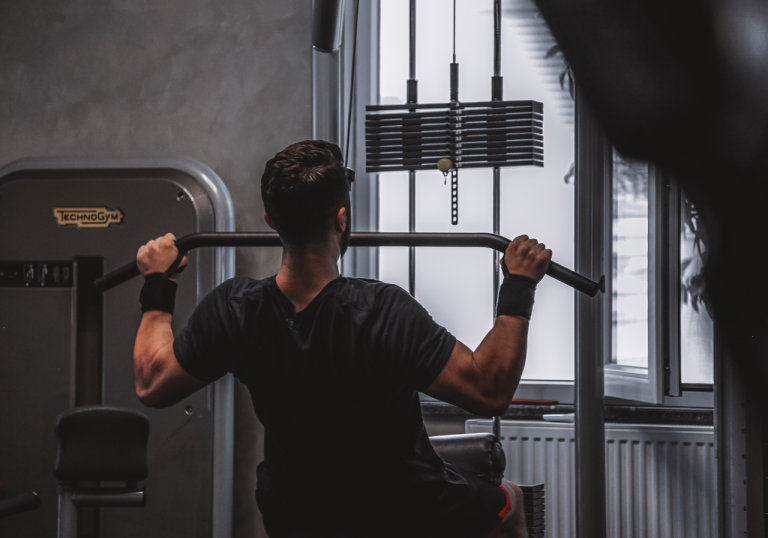
- Pull-ups or lat pulldowns: 3 sets to failure or 8-12 reps;
- Barbell bent-over rows: 3 sets of 6-10 reps;
- Seated cable rows: 3 sets of 10-15 reps;
- Face pulls: 4 sets of 15-20 reps;
- Barbell curls: 3 sets of 8-12 reps;
- Dumbbell hammer curls: 3 sets of 10-15 reps.
Day 3: Legs (quads, hamstrings, glutes)
- Barbell back squats: 3 sets of 5-8 reps;
- Romanian deadlifts: 3 sets of 8-12 reps;
- Leg press: 3 sets of 10-15 reps;
- Lying leg curls: 3 sets of 12-15 reps;
- Calf raises: 4 sets of 15-20 reps.
Day 5: Upper body
This upper body workout can focus on movements you didn’t perform earlier in the week or target weak points.
- Dumbbell bench press (flat): 3 sets of 8-12 reps;
- T-bar rows: 3 sets of 8-12 reps;
- Arnold press: 3 sets of 10-15 reps;
- Cable crossovers: 3 sets of 12-15 reps;
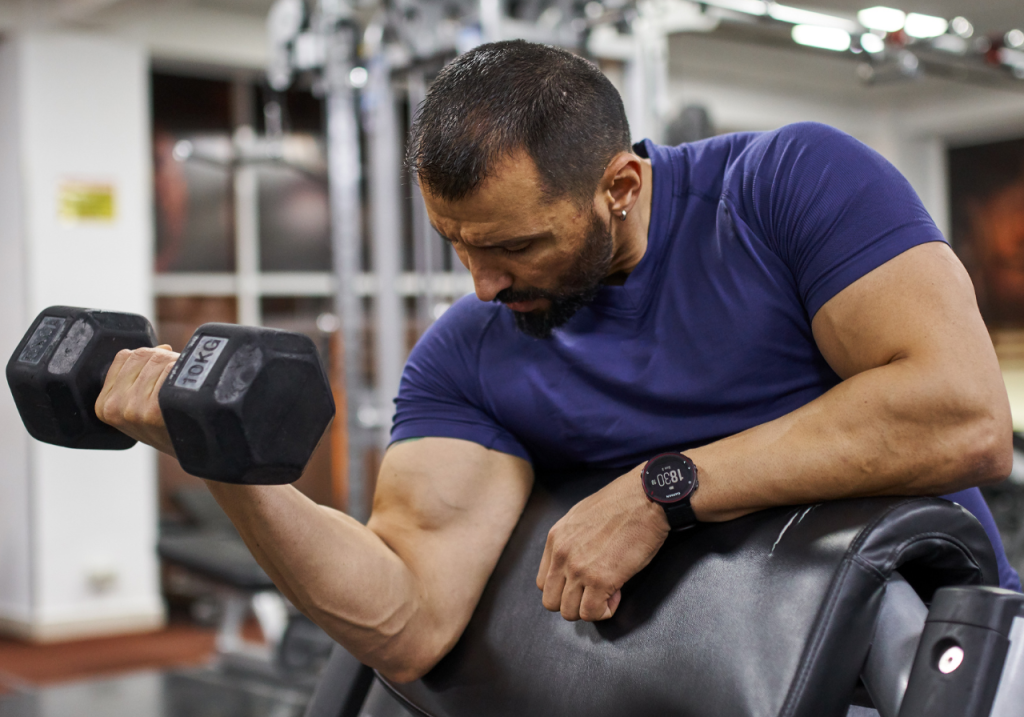
- Preacher curls: 3 sets of 10-15 reps;
- Skull crushers: 3 sets of 10-15 reps.
Day 6: Lower body
For this second lower body workout, you might emphasize different muscles, like the glutes and hamstrings, or use unilateral exercises.
- Hip thrusts: 4 sets of 8-12 reps;
- Bulgarian split squats: 3 sets of 10-12 reps per leg;
- Good mornings: 3 sets of 12-15 reps;
- Leg extensions: 3 sets of 15-20 reps;
- Seated calf raises: 4 sets of 15-20 reps.
This is a template, not a rigid prescription — swap exercises for equivalents based on the equipment you have access to and any muscle groups you personally want to prioritize.
Common mistakes to avoid
To get the most out of your PPL upper lower routine, be mindful of these common pitfalls. Avoiding them will ensure your efforts translate into real, sustainable progress.
- Making upper/lower days too similar to PPL days. Your second upper and lower sessions should complement, not copy, your first three workouts. Use different exercises, angles, or rep ranges to provide a novel stimulus for your muscles.
- Neglecting recovery. Five days of intense training is still a significant stress on your body. Therefore, you must prioritize sleep, nutrition, and your two rest days. Consider scheduling a deload week every 4-8 weeks to allow for full recovery.
- Unbalanced volume. It can be tempting to go all-out every session, but this can lead to burnout. Ensure your total weekly volume is appropriate for your recovery capacity. The goal is to stimulate, not annihilate, your muscles.
- Forgetting to progress. The best workout plan in the world will stop working if you don’t consistently challenge yourself. Focus on progressively increasing the weight, reps, or sets over time to keep driving adaptation.
Most of these mistakes come from treating all five days as equally demanding. Reserving your highest intensity for the PPL days and using the upper/lower days more strategically solves several of these issues at once.
Frequently asked questions
-
What’s the difference between PPL upper lower and traditional PPL?
The main difference is the weekly schedule. A traditional PPL split is typically run twice a week for 6 training days and 1 rest day. The PPL upper lower hybrid is a 5-day split that combines one PPL cycle with one upper/lower cycle, allowing for 2 rest days per week and more recovery.
-
Is PPL upper lower better for hypertrophy or strength?
It is excellent for both. However, it is particularly effective for hypertrophy (muscle growth) because it facilitates high training frequency and volume, two key drivers of growth. You can easily program it for strength by focusing on heavy compound lifts in the 5-8 rep range on your PPL days.
-
How much rest time between workouts in a PPL upper lower split?
The split is designed with two rest days per week. A common and effective layout is PPL-Rest-Upper-Lower-Rest. This provides a mid-week break and a full day of recovery before starting the next week. You can learn more about optimal rest strategies to maximize your recovery.
-
Is PPL upper lower for beginners or only for advanced lifters?
This split is best suited for intermediate to advanced lifters who have a solid training foundation and can handle five days of lifting per week. Beginners should start with a 3 or 4-day full-body or upper/lower split to build foundational strength before progressing to this higher volume.
-
Can you adapt the PPL upper lower split for home workouts?
Absolutely. If you have adjustable dumbbells, resistance bands, and a pull-up bar, you can effectively run this split at home. You will need to be creative with exercise selection, for example, substituting barbell squats with dumbbell goblet squats and cable rows with banded rows. A comprehensive home workout guide can provide more ideas.
Building your training plan around the PPL upper lower split
The PPL upper lower split represents a smart evolution in workout programming. It masterfully blends the high-frequency benefits of an upper/lower routine with the focused intensity of a PPL split. The result is a balanced, effective, and sustainable 5-day plan that drives both muscle growth and strength development while providing adequate time for recovery.
If you feel stuck in your current routine or are looking for a way to increase your training frequency without sacrificing recovery, this hybrid split is a fantastic option. It provides the structure needed for long-term progress and the flexibility to adapt to your personal schedule and goals.
Ready to build your PPL upper lower workout plan? Download the BeFit app to create and log your workouts, track your progress, and get personalized guidance. Let’s take your training to the next level, together. Explore our list of the best workout apps to see how we can help you succeed.