Anyone who has spent some time in a gym has probably heard someone say they “got an insane pump” during a workout. For beginners, the expression may sound strange, almost like slang without much meaning. But in bodybuilding, pump has a very well-known and highly valued meaning. It refers to the feeling of the muscle becoming fuller, more swollen, firmer, and temporarily enlarged during or right after training.
This body response often creates immediate motivation. A person looks in the mirror and notices a more defined arm, a rounder shoulder, or legs that appear denser. This visual change, even though temporary, usually brings a strong sense of progress and satisfaction. That is why so many people associate pump with a workout that “really worked.”
Even so, it is important to understand what is actually happening. Pump is not instant muscle growth, nor is it absolute proof that a workout was perfect. It is a physiological response to effort, especially when there is a high blood flow to the muscle being trained. For those who want to follow their workouts more closely, a workout app can be very helpful for tracking sets, reps, and strategies that tend to encourage this response.
What pump means in practice
Pump happens when there is an increase in blood flow to the muscle being worked. During training, the body sends more blood to that region, carrying oxygen, nutrients, and other elements needed to support the effort. At the same time, substances produced by muscular work also build up temporarily in the area, contributing to that feeling of fullness.
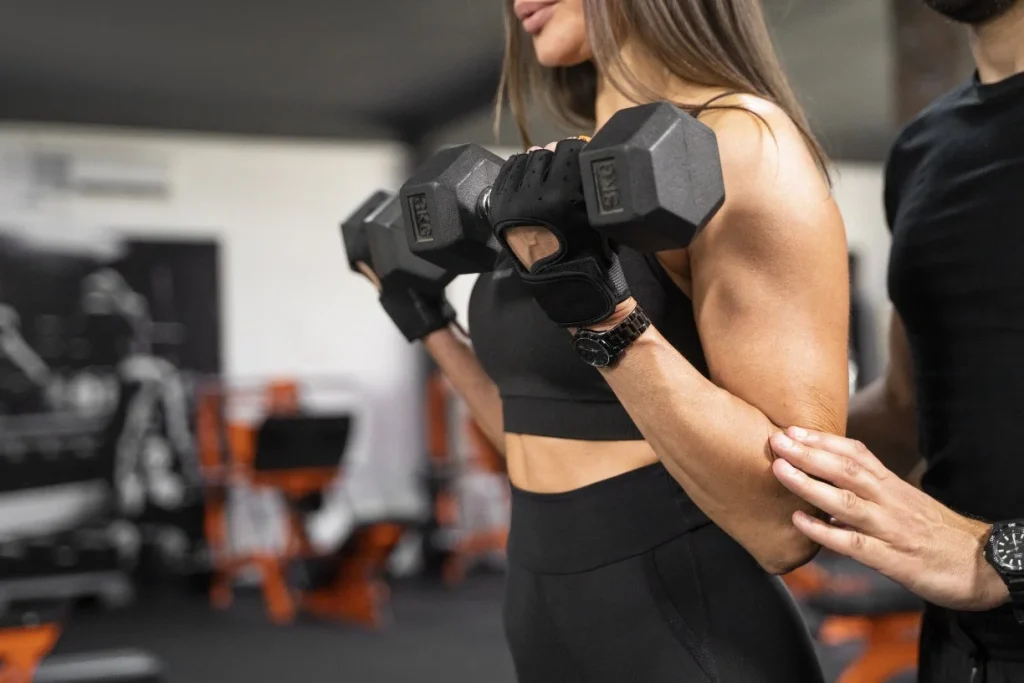
In practice, the result is a muscle that looks fuller and firmer. Someone training chest may feel the upper body looking broader. Someone training biceps may notice the arms standing out more. Someone working legs may feel the muscles looking denser and more defined. This response can last for minutes or even a few hours, depending on workout intensity, volume, food intake, and hydration.
Many people start chasing this sensation in every session. And while it can definitely feel rewarding, it is worth remembering that pump is a temporary effect. A workout app can be useful in this process, especially for people who want to observe which training methods tend to create a better response instead of relying only on the feeling of the moment.
Why pump happens
The main reason pump happens is the increase in circulation to the muscles being recruited. When you do several repetitions of an exercise, the muscle starts demanding more support from the body. Blood arrives more intensely, the vessels expand, and the area gains that fuller look.
In addition, there is an increase in the amount of fluid inside and around the muscle cells. This combination of blood flow, temporary local fluid accumulation, and repeated effort creates the look that so many people associate with a productive workout. Exercises with moderate to high reps, shorter rest periods, and strong mind-muscle connection often support this feeling very well.
That also helps explain why some workouts seem to “blow up” the muscles more than others. Someone who organizes training well with the help of a workout app can identify patterns and better understand how their body responds to different stimuli.
Is pump a sign of hypertrophy?
This is a very common question. The most honest answer is: not exactly. Pump is not the same thing as hypertrophy, but it can happen during workouts designed for muscle growth. In other words, feeling pump does not automatically mean you built muscle in that moment. Real muscle growth depends on consistent stimulus, proper nutrition, rest, and continuity.
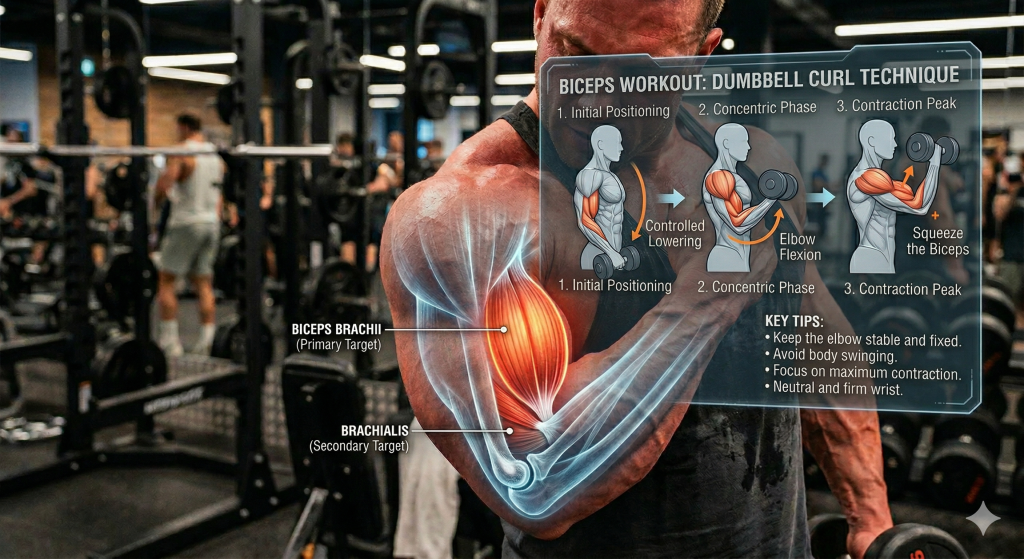
Still, pump should not be dismissed as meaningless. It may indicate good muscle activation, focused effort on the right area, and enough volume to create a strong local response. The problem begins when a person starts measuring workout quality only by that feeling. There are excellent training sessions that create less pump, and that does not mean they were weak.
That is why it makes more sense to look at the bigger picture. A workout app helps with exactly that: instead of depending only on the mirror or the feeling of the moment, a person can track load, progression, frequency, and consistency over time.
The feeling that makes many people enjoy training even more
There is a strong emotional side to pump. When the muscle looks bigger, more defined, and more alive, motivation rises. For many people, this immediate visual feedback works like mental fuel. They feel that the workout “hit,” leave the gym more satisfied, and build a closer relationship with their own progress.
In bodybuilding, this becomes even more important because physical appearance is at the center of the practice. Seeing the muscle respond quickly during the workout reinforces the connection between effort and image. It is almost like a physical reminder that the body is being challenged.
This kind of perception can even help consistency. People who use a workout app often benefit from this motivational side too, because they begin to combine the sensation of training with concrete records of progress.
How to increase the chances of feeling pump
Some strategies tend to encourage this response more than others. Workouts with moderate to high rep ranges, shorter rest periods, greater focus on execution, and a strong mind-muscle connection usually intensify the pump feeling. Isolation exercises also tend to highlight this response, especially in the arms, shoulders, and quadriceps.
Food intake matters. Eating an appropriate amount of carbohydrates can support performance and muscle fullness during training. Hydration also plays a major role, since muscles respond better when the body is well supplied with fluids. In addition, training with real attention to the movement, without rushing and without turning everything into automatic repetition, usually improves muscle activation quite a bit.
Someone who tracks these variables in a workout app can see more clearly what works best in their own routine, adjusting training more intelligently and with less guesswork.
When pump can be misleading
Even though it is a positive sensation, pump can also be deceptive. Sometimes a person finishes a workout with the muscle looking extremely full, but they are not actually progressing in load, technique, or consistency. In other cases, they become so focused on “feeling” the workout that they abandon important fundamentals such as progression, rest, and proper execution.
There is also the risk of choosing exercises only because they create pump quickly, while ignoring key movements that are essential for building real muscle over time. This is common among people who chase only the immediate feeling and forget that lasting physical results depend on well-planned repetition over weeks and months.
That is why pump should be seen as an interesting complement, not as the final judge of workout quality. A workout app can help maintain this more balanced perspective, because it organizes the process and reduces the tendency to evaluate everything through the emotion of a single day.
Pump, vascularity, and aesthetic appearance
Many people confuse pump with vascularity, although the two can appear together. Pump is related to muscle fullness. Vascularity, on the other hand, has more to do with how visible the veins become, something influenced by body fat percentage, genetics, body temperature, and increased blood flow.
During training, it is common for both to happen at the same time, creating a more impressive look in the mirror. The muscle seems bigger, harder, and more defined. For someone involved in bodybuilding, this strengthens the visual sense of the work being done in that moment.
Even so, this appearance is temporary. The body returns to its normal state after some time. That is why the ideal approach is to use this response as motivation, not as the only reference. A workout app can support this kind of tracking by turning temporary impressions into a real training history.
Pump as a tool for body awareness
Even though it is not everything, pump can have an interesting value within a training routine. It helps a person notice whether they are truly recruiting the muscle they want to train. It also strengthens body awareness and can improve exercise quality when used intelligently.
In bodybuilding, where details matter a great deal, feeling the muscle respond during the session can help adjust posture, range of motion, and focus. This is especially true in isolation workouts, where movement intention makes a huge difference.
With the support of a workout app, this perception can become even more organized. That way, training stops being just a feeling and also becomes a strategy.
More than feeling, it is necessary to build
Pump is one of the most recognized and valued sensations in bodybuilding. It makes training more exciting, increases immediate aesthetic perception, and helps many people feel closer to their goals. Even so, it does not replace the foundation that truly creates transformation: consistency, progression, proper nutrition, and recovery.
Wanting pump is not a problem. The mistake is believing it is enough. When a person understands that, they begin to use this body response as part of a more mature view of training. Pump can motivate, encourage, and even guide some adjustments, but what truly changes the physique is repeated quality work.
For anyone who wants to train with more clarity, follow sessions more closely, and turn sensation into structure, a workout app can be an excellent ally. A good workout app helps track methods, compare performance, and maintain consistency. And when a person learns to combine body awareness with planning, the workout app stops being just a practical resource and starts supporting the entire routine. In that process, the workout app contributes to more mindful training, while the workout app helps reveal progress beyond the mirror.