




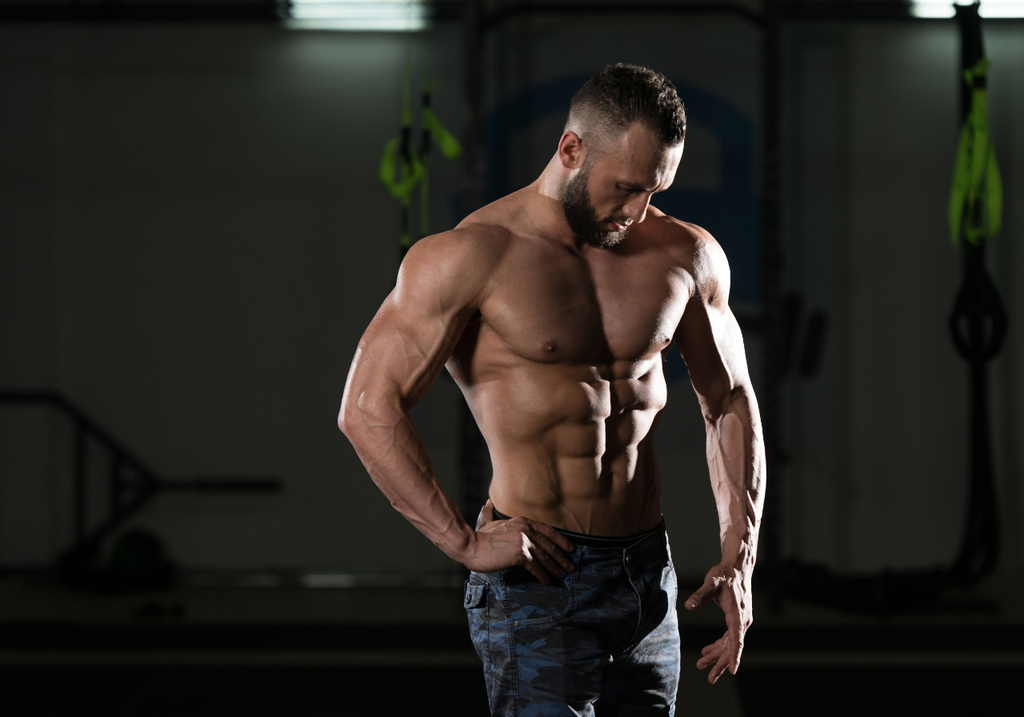
If you’ve been to a gym or follow fitness influencers online, you’ve probably heard someone say: “He has a good shape” or “I want to build my shape.” But what does shape mean in fitness? In fitness, “shape” describes the overall look and condition of your body: how much muscle you carry, how lean you are, your posture and how balanced your proportions look.
Shape is more than just aesthetics. It’s the visible result of consistent training, proper nutrition and lifestyle discipline, and it looks different for every person.
In this article, we’ll break down what “shape” really means, the main factors that influence it, common mistakes people make, and strategies to build a balanced, healthy, and sustainable body.
What does “shape” mean in fitness?
The term “shape” comes from English and literally means “form” or “appearance.” In fitness, it refers to a person’s physical condition and body composition.
For some, shape means a defined body with visible muscles. For others, it’s about improved fitness levels and overall health. Broadly, having a good shape means that your training and nutrition are producing visible and functional results.
In practice, shape comes down to two measurable things: how much lean muscle you have and how much body fat covers it. Two people with the same body weight can look completely different depending on that balance, which is why the scale alone is a poor way to track your shape.
What are the factors that influence the shape?
Building a remarkable shape doesn’t depend only on training hard. Several elements work together:
Training
Strength training is the foundation, and cardio is a valuable complement for heart health and fat management. Progressive overload, exercise variation, and advanced techniques (like drop sets) are tools to stimulate muscle growth and definition.
How often you train each muscle also matters: working each muscle group at least twice a week tends to produce more growth than training it only once.
Nutrition
Diet is crucial for shaping your body. Strategies like bulking (muscle gain) and cutting (fat loss) depend on calorie balance and macronutrient distribution. Protein intake is especially important to support muscle development.
For muscle gain, a common target is around 1.6 g of protein per kilogram of body weight per day. Spreading that amount across your meals makes it easier to reach.
Recovery
Muscles grow during rest, not only during workouts. Quality sleep and recovery days are fundamental for results.
Most adults need at least seven hours of sleep per night. Regularly sleeping less than that hurts training performance, appetite control and muscle recovery.
Genetics and body type
Genetics influences where your body stores fat, the shape of your muscles (determined by where they attach to the bones), how quickly you build muscle and your hormonal profile. Body types (ectomorph, mesomorph, endomorph) are still popular in gyms, but there’s no solid evidence that they predict how someone responds to training. Recognizing your genetic tendencies helps set realistic expectations.
Consistency
Shape is built over months and years, not weeks. Long-term dedication is key.
None of these factors works in isolation. A great training plan won’t deliver much without enough protein and sleep, and a perfect diet can’t replace progressive training.
How to build a good shape
There’s no single formula for building a good shape, but the process follows the same logic for almost everyone: set a clear goal, train with structure, eat to support that goal, and use supporting strategies to fill the gaps.
The steps below work for both beginners and experienced lifters. What changes from one person to another is the intensity, the volume and how long each phase lasts.
1. Define your goals
Do you want more muscle mass, lower body fat, or better overall balance? Having clear goals helps determine training and diet strategies.
If you’re new to training, you can often build muscle and lose fat at the same time, a process called body recomposition. If you’ve been training for a while, it usually works better to alternate between phases focused on muscle gain and phases focused on fat loss.
2. Create a structured training plan
A good training plan doesn’t need to be complicated. These three principles cover what matters most:
- Prioritize compound exercises like squats, bench presses, and deadlifts.
- Add isolation exercises to refine smaller muscle groups.
- Alternate training intensities and volumes for continuous progress.
Whatever structure you choose, progressive overload ties everything together: add weight, reps or sets over time. Most sets should end with one to three good reps left in the tank, saving all-out efforts for safer exercises like machines and cables.
3. Adjust your diet
Your diet should follow the goal you defined. Here’s how calorie intake changes for each one:
- For muscle gain (bulking): eat in a calorie surplus with enough protein.
- For fat loss (cutting): maintain a calorie deficit while preserving protein intake.
- For balance: aim for maintenance with flexible but healthy eating.
Moderation works best in both directions. A small surplus limits fat gain while bulking. When cutting, losing about 0.5% to 1% of your body weight per week helps preserve muscle.
4. Include supportive strategies
Training and diet do most of the work, but a few extra strategies can speed up results and improve how your body looks and moves:
- Cardio to manage fat levels.
- Supplements like whey protein or creatine, if needed.
- Core exercises and isometrics to enhance posture and body stability.
Supplements are optional, not mandatory. Whey protein is simply a convenient way to reach your protein target. Creatine monohydrate is one of the most researched supplements for strength and muscle gain, and 3 to 5 g per day is considered effective and safe for healthy adults.
Common mistakes when chasing a “good shape”
Many people stop progressing not because they train too little, but because they fall into avoidable traps. These are the most common ones:
- Comparing yourself to others: every body responds differently.
- Focusing only on looks: neglecting health often backfires.
- Overtraining: pushing too hard without rest leads to injury and setbacks.
- Extreme diets: restrictive approaches often result in rebound weight gain.
- Unrealistic expectations: building shape takes time and patience.
Avoiding these mistakes is often what separates people who keep improving for years from those who give up after a few months.
Examples of shape evolution
Beginners notice improvements in posture, strength and endurance within months. Much of the early strength gain comes from the nervous system learning to recruit muscle more efficiently, while visible muscle growth usually takes a few more weeks to show. That’s why beginners often feel stronger before they look different.
Intermediates start seeing more definition and proportionality. At this stage, progress slows down and the body needs more structured training, with planned increases in load and volume. Diet phases also become more important, since building muscle and losing fat at the same time gets harder.
Advanced lifters refine details, like shoulder width or abdominal definition, to reach specific goals. Changes are smaller and slower, so small adjustments in training, nutrition and recovery make the biggest difference.
Key elements of a balanced shape
A balanced shape isn’t defined by a single feature. These four elements work together to create it:
- Body fat percentage: lower levels increase muscle visibility.
- Muscle volume: built through progressive strength training.
- Posture and symmetry: a good shape also means balanced proportions.
- Overall health: fitness is about looking good and feeling good.
Focusing on just one of these elements, such as getting as lean as possible, usually comes at the expense of the others.
How to maintain your shape
Reaching your goal is only half the job. To keep your shape, keep training consistently, even after reaching your goals. Maintaining muscle takes less effort than building it, so you can reduce training volume a bit without losing results, as long as the intensity stays high.
On the nutrition side, adjust your calorie intake to maintenance levels and keep protein high. This stops the cycle of constant bulking and cutting and makes your routine much easier to sustain.
It also helps to change up your routine every few months to avoid plateaus and keep training motivating. Above all, focus on long-term lifestyle, not quick fixes: a shape built on sustainable habits is the one that lasts.
Frequently asked
-
What does it mean when someone has a good shape?
It means their body shows the results of consistent training and nutrition: visible muscle, controlled body fat and good posture. In gym slang, saying someone “has a good shape” is a compliment on how fit and well-built they look.
-
Is “shape” the same as being “in shape”?
Not exactly. Being “in shape” usually refers to fitness level, such as having good endurance and strength. “Shape,” in gym language, focuses more on how the body looks. Ideally, the two go together.
-
How long does it take to build a good shape?
It depends on your starting point and your goal. Beginners usually notice changes in strength and posture within a few months of consistent training and eating well. A more muscular, defined shape generally takes several years of structured training.
-
Can you build shape without going to the gym?
Yes, especially in the beginning. Bodyweight exercises, resistance bands and dumbbells can build muscle at home as long as the workouts get progressively harder. Over time, the gym makes it easier to keep adding load, which is essential for continued progress.
-
Do you need supplements to build shape?
No. Supplements can make some things more convenient, but food, training and sleep are what build your shape. Whey protein helps you hit your protein target, and creatine can support strength gains, but neither replaces a well-structured routine.
[NOVO]
[NOVO]
-
Is there an ideal shape?
No. The ideal shape is the one that matches your goals, routine and health. A runner and a bodybuilder have very different bodies, and both can be in excellent shape.
Shape is about discipline, not perfection
In fitness, shape represents your physical evolution and the visible reflection of consistent effort. It’s not about perfection, but about progress, balance and sustainable habits.
Start with a clear goal, follow a structured training plan, eat enough protein and protect your sleep. Then give it time: small, consistent improvements every week add up to the biggest changes in your body.
Want to build your shape with tailored workouts and guidance? Download the Befit app and get personalized training programs designed for your goals.


