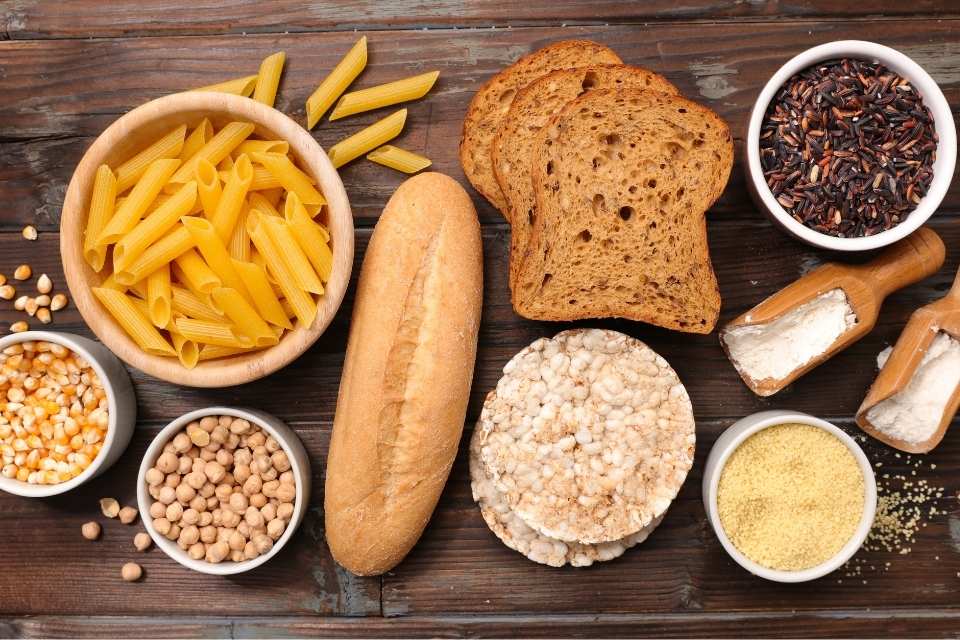

Navigating the world of nutrition can feel complex, especially when managing a dietary restriction like gluten intolerance. A common question that arises is, does rice have gluten? For many, rice is a staple food, a source of energy, and a versatile ingredient. Understanding its place in a gluten-free diet is crucial for health, wellness, and peace of mind. The short answer is reassuring, but the full story involves a bit more detail that is essential for anyone who needs to strictly avoid gluten.
If you’re asking “does rice have gluten?” because you have celiac disease, a gluten sensitivity, or are simply trying to reduce gluten in your diet, you’ve come to the right place. This guide will provide a clear, science-backed answer. We will explore the nature of gluten, examine different types of rice, and discuss important factors like cross-contamination. Consequently, you will be empowered to make confident and informed choices about your diet.
A well-structured diet is the foundation of any fitness journey, providing the fuel needed for everything from intense workouts to recovery. Knowing which foods fit your specific needs is the first step toward achieving your goals. Therefore, let’s get the definitive facts about rice and its relationship with gluten, so you can build a meal plan that works for you.
The simple answer: is rice gluten-free?
Yes, in its natural form, all rice is 100% gluten-free. This includes all varieties, such as white rice, brown rice, wild rice, and specialty rices like basmati and jasmine. This is because rice is a grain, but it does not belong to the same family as gluten-containing grains like wheat, barley, and rye.
Gluten is a specific type of protein found exclusively in those grains. It acts as a binder, giving dough its elasticity. Since rice is a completely different plant, it does not naturally produce this protein. This makes plain rice an excellent and safe carbohydrate source for individuals who must follow a strict gluten-free diet for medical reasons, such as celiac disease.
However, it is important to distinguish between plain, unprocessed rice and rice-based products. While the grain itself is safe, rice can sometimes be processed in facilities that also handle wheat, leading to cross-contamination. Furthermore, many packaged rice dishes, like rice pilafs or flavored rice mixes, can contain added ingredients with gluten. For a complete list of foods to be mindful of, you can explore our guide on what contains gluten.
Understanding gluten and why it matters
To fully appreciate why rice is a safe choice, it helps to understand what gluten is. Gluten is a family of storage proteins found in certain cereal grains. The two main proteins in gluten are glutenin and gliadin. It’s the gliadin part that is responsible for most of the adverse health effects associated with gluten.
For most people, consuming gluten is harmless. However, for individuals with certain conditions, it can trigger serious health problems. These conditions include:
- Celiac disease: An autoimmune disorder where ingesting gluten leads to damage in the small intestine. This can cause nutrient malabsorption, digestive distress, and a host of other systemic issues. A lifelong, strict gluten-free diet is the only treatment.
- Non-celiac gluten sensitivity (NCGS): People with NCGS experience symptoms similar to those of celiac disease after eating gluten, but without the autoimmune intestinal damage. These symptoms can include bloating, abdominal pain, fatigue, and headaches.
- Wheat allergy: This is a classic food allergy where the immune system overreacts to proteins in wheat, including but not limited to gluten. Symptoms can range from hives and swelling to life-threatening anaphylaxis.
A 2024 comprehensive review published by the National Institutes of Health highlights the importance of a strict gluten-free diet for managing these conditions, emphasizing the need for clear dietary guidelines. Therefore, for these populations, knowing that rice is naturally gluten-free is fundamental to maintaining their health and well-being.
A closer look at different types of rice
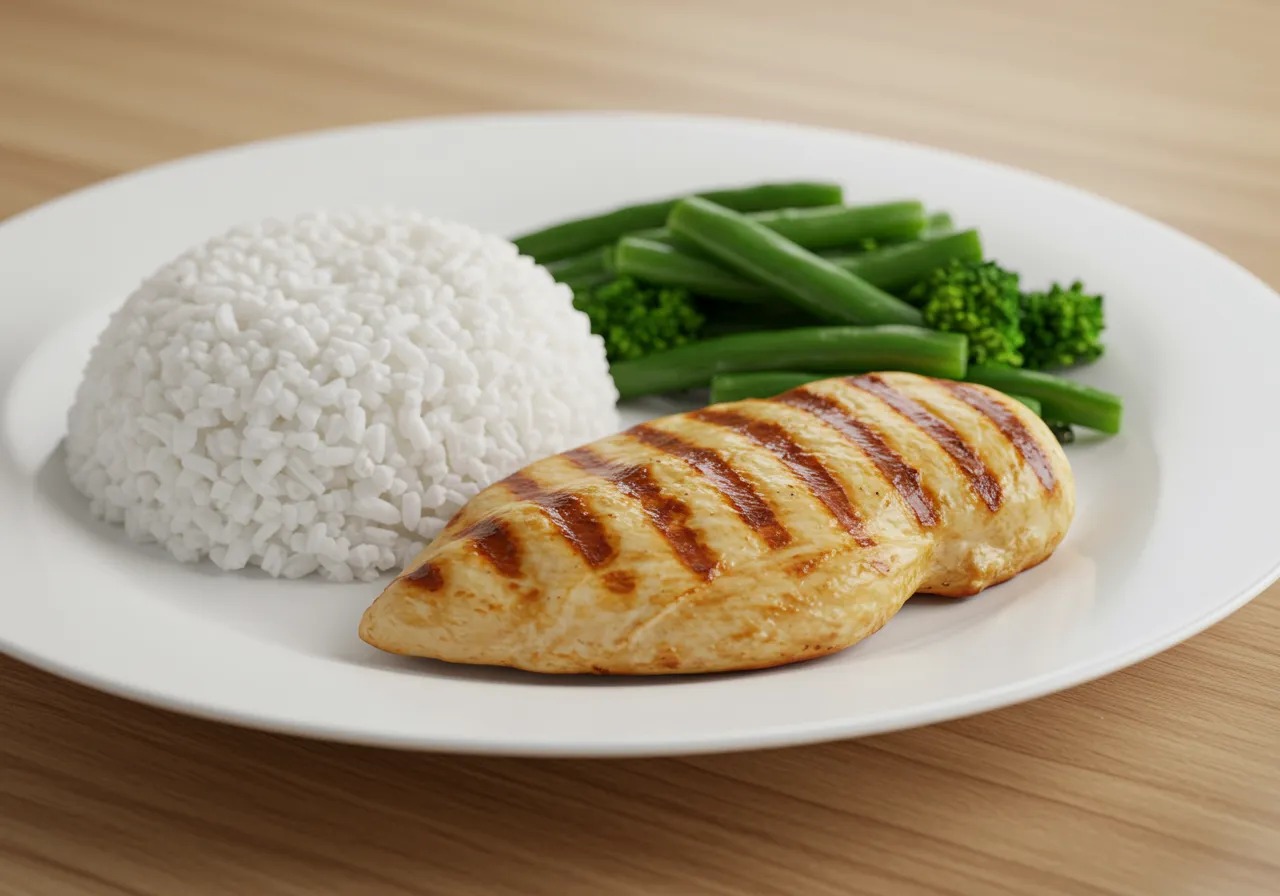
One of the best things about rice is its incredible variety. Each type offers a unique flavor, texture, and nutritional profile, but all are inherently gluten-free. Understanding these differences can help you add diversity to your diet while staying safe. A balanced approach to nutrition is key for any fitness goal, whether it involves building endurance through cardio or improving overall fitness.
Here is a breakdown of common rice varieties and their characteristics:
| Rice type | Is it gluten-free? | Key characteristics |
|---|---|---|
| White rice | Yes | The bran and germ are removed, making it quicker to cook and easier to digest. It is a great source of fast-acting carbohydrates, perfect for fueling a workout. |
| Brown rice | Yes | A whole grain with the bran and germ intact. It’s higher in fiber, magnesium, and other nutrients compared to white rice. Its slower digestion provides sustained energy. |
| Wild rice | Yes | Technically the seed of an aquatic grass, not a true rice. It has a chewy texture, a nutty flavor, and is rich in protein and antioxidants. |
| Basmati rice | Yes | A long-grain aromatic rice known for its distinct fragrance and fluffy texture. It’s a staple in Indian and South Asian cuisine. |
| Jasmine rice | Yes | An aromatic long-grain rice from Thailand with a soft, slightly sticky texture when cooked. It has a subtle floral aroma. |
| Arborio rice | Yes | A short-grain rice used to make risotto. Its high starch content creates a creamy texture when cooked. |
The risk of cross-contamination
While rice is naturally gluten-free, the main risk for individuals with celiac disease comes from cross-contamination. This occurs when a gluten-free food comes into contact with gluten, making it unsafe for those with high sensitivity. This contact can happen at several points from farm to table.
How cross-contamination happens
- Farming and harvesting: If rice is grown in fields that are also used for or are adjacent to wheat, barley, or rye, cross-contamination can occur during harvesting with shared equipment.
- Processing and packaging: Many food processing plants handle multiple types of grains. If rice is processed, milled, or packaged on the same lines as gluten-containing grains without thorough cleaning, trace amounts of gluten can be transferred.
- Bulk bins: Buying rice from bulk bins at the grocery store poses a high risk. Other shoppers may use the same scoops for gluten-containing flours or grains, leading to contamination.
- In the kitchen: At home or in restaurants, using the same utensils, cutting boards, toasters, or colanders for both gluten and gluten-free foods can transfer gluten particles.
How to avoid cross-contamination
To ensure your rice is truly gluten-free, you should take a few precautions. First, look for rice that is explicitly labeled “gluten-free” or, even better, “certified gluten-free.” This certification means the product has been tested to contain less than 20 parts per million (ppm) of gluten, the standard recognized as safe for people with celiac disease. In addition, always use clean, separate utensils and preparation surfaces in your kitchen.
Rice-based products: a word of caution
The gluten-free status of plain rice does not automatically extend to all products made from it. The modern food market is filled with rice-based alternatives, from breads and pastas to snacks and cereals. While these can be great additions to a gluten-free diet, you must become a diligent label-reader.
Many processed foods contain hidden sources of gluten. For example, a box of flavored rice mix might use wheat-based thickeners or soy sauce that contains wheat. Rice cakes could have malt flavoring derived from barley. Even rice flour, while pure in itself, is often processed in facilities that handle wheat flour. Your journey toward healthy eating depends on being aware of what’s in your food.
Always check the ingredients list for red flags like wheat, barley, rye, malt, and brewer’s yeast. Also, look for allergen warnings, which will often state “contains wheat” or “may contain traces of wheat.” Choosing products with a clear gluten-free certification is always the safest bet. This diligence ensures you can enjoy the versatility of rice without compromising your health.
Integrating rice into a healthy, balanced diet
Rice is an excellent source of carbohydrates, which are the body’s primary fuel source. This makes it a valuable component of a diet geared towards fitness and athletic performance. For example, a serving of white rice can be an ideal part of a meal when considering what to eat before a workout, as its easily digestible carbs provide quick energy.
After a tough training session, your body needs to replenish its glycogen stores. A combination of carbohydrates and protein is optimal for recovery. Pairing rice with a lean protein source like chicken, fish, or beans is a classic and effective post-workout meal. This helps repair muscle tissue and prepares you for your next session. If you’re focusing on muscle growth, understanding how much protein you need is just as important as your carb intake.
Whether you’re in a bulking or cutting phase, rice can be adapted to fit your needs. During a bulk, larger portions can help you meet your calorie and carbohydrate targets. In contrast, during a cut, smaller portions of brown rice can provide sustained energy and fiber, promoting satiety while you manage a calorie deficit. It’s a versatile tool for anyone looking to build a better physique and improve their overall conditioning.
Frequently asked questions
Is brown rice gluten-free?
Yes, just like white rice, brown rice is naturally gluten-free. Brown rice is a whole grain, meaning it contains the bran, germ, and endosperm. The only difference from white rice is the presence of the bran and germ, which do not contain gluten.
Is “glutinous rice” gluten-free?
Yes, glutinous rice, also known as sticky rice, is completely gluten-free. The term “glutinous” refers to the rice’s sticky, glue-like consistency when cooked, which is due to its high amylopectin starch content. It does not refer to the protein gluten.
How can I be sure my rice is 100% gluten-free?
To be absolutely sure, purchase rice that is labeled “certified gluten-free.” This certification ensures the product has been tested and meets strict standards for gluten content, protecting you from potential cross-contamination during processing and packaging.
Are rice and wheat related?
No, rice and wheat are not related. They are both cereal grains, but they come from different plant species. Wheat contains the protein gluten, whereas rice does not, making rice a safe option for those on a gluten-free diet.
Conclusion
So, does rice have gluten? The clear and simple answer is no. All varieties of plain rice are naturally gluten-free, making them a safe and versatile carbohydrate for anyone, including those with celiac disease or gluten sensitivity. It’s an excellent source of energy that can fuel your workouts and support your recovery.
However, the key takeaway is to remain vigilant. The risk lies not in the rice itself but in potential cross-contamination and added ingredients in processed rice-based products. By choosing certified gluten-free options and carefully reading labels, you can confidently incorporate this fantastic grain into your diet.
Building a healthy lifestyle is about making informed choices that align with your body’s unique needs. For more personalized guidance on nutrition and training, check out the BeFit app. We’re here to help you create a plan that supports your goals and empowers you on your fitness journey, one healthy meal at a time.