


When you think of boosting your immune system, vitamin C is likely the first nutrient that comes to mind. But its power goes far beyond just fighting off colds. Incorporating foods high in vitamin c into your diet is a cornerstone of overall health, supporting everything from your skin to your workout recovery. While oranges are famous for their vitamin C content, you might be surprised to learn about other, even more potent, sources. This guide will explore the best foods high in vitamin c to add to your plate.
Understanding this essential nutrient is the first step toward leveraging its benefits. Vitamin C, also known as ascorbic acid, is a water-soluble vitamin that your body cannot produce or store. This means you need to consume it regularly through your diet to maintain adequate levels. Therefore, making a conscious effort to eat foods rich in this vitamin is crucial for your daily wellness and fitness goals.
In this article, we will dive into the top dietary sources, uncover the wide-ranging health benefits, and answer your most common questions. From vibrant fruits to leafy greens, you’ll discover delicious and simple ways to ensure you’re getting enough of this powerhouse vitamin. Let’s explore how you can easily enhance your healthy eating habits.
What is vitamin C and what does it do?
Vitamin C is an essential nutrient that plays a multitude of critical roles in your body. Primarily, it functions as a powerful antioxidant, helping to protect your cells against the damage caused by free radicals. Free radicals are unstable molecules that can result from normal metabolic processes, as well as from external sources like pollution and UV radiation. This cellular damage, known as oxidative stress, is linked to chronic diseases and aging.
Furthermore, your body needs vitamin C to produce collagen. Collagen is the main structural protein found in your skin, bones, tendons, and ligaments. It is essential for wound healing and maintaining the health and integrity of your skin and connective tissues. Without adequate vitamin C, your body’s ability to repair itself is significantly impaired, which can impact everything from skin elasticity to joint health.
This vitamin is also vital for the proper functioning of your immune system. It supports the production and function of white blood cells, which are your body’s primary line of defense against pathogens. In addition, it plays a key role in the absorption of non-heme iron, the type of iron found in plant-based foods. This makes it particularly important for individuals following vegetarian or vegan diets.
The powerful health benefits of vitamin C
Integrating vitamin C into your diet provides a wealth of benefits that support your overall health and fitness journey. Its multifaceted roles contribute to a stronger, more resilient body. Here are some of the key advantages:
- Enhanced immune defense: Vitamin C is famous for its immune-boosting properties. It encourages the production of white blood cells known as lymphocytes and phagocytes, which help protect the body against infection. It also helps these cells function more effectively while protecting them from damage by potentially harmful molecules.
- Improved skin health: As a crucial component for collagen synthesis, vitamin C helps keep your skin firm and youthful. Its antioxidant properties also protect skin cells from sun damage and environmental pollutants, potentially reducing wrinkles and improving overall skin texture.
- Better workout recovery: For active individuals, vitamin C is a game-changer. Intense exercise increases oxidative stress, which can lead to muscle soreness and fatigue. The antioxidant effects of vitamin C help combat this stress, which can aid in faster recovery. Supporting collagen production also helps maintain the health of your joints and connective tissues, which are under strain during training. A solid recovery plan is key to any fitness program, including what you eat after a workout.
- Reduced risk of chronic disease: By neutralizing harmful free radicals, vitamin C may help lower the risk of many chronic diseases. Studies suggest that higher consumption of vitamin C is linked to a reduced risk of certain health conditions, showcasing its long-term protective effects.
- Enhanced iron absorption: Vitamin C significantly improves the absorption of non-heme iron from plant-based foods. This is crucial for preventing iron-deficiency anemia, a condition that causes fatigue and weakness, especially for those who don’t eat meat.
Taken together, these benefits show why vitamin C is considered one of the most versatile nutrients you can prioritize, whether your main goal is immunity, skin health, or recovering better between training sessions.
Top 10 foods high in vitamin C
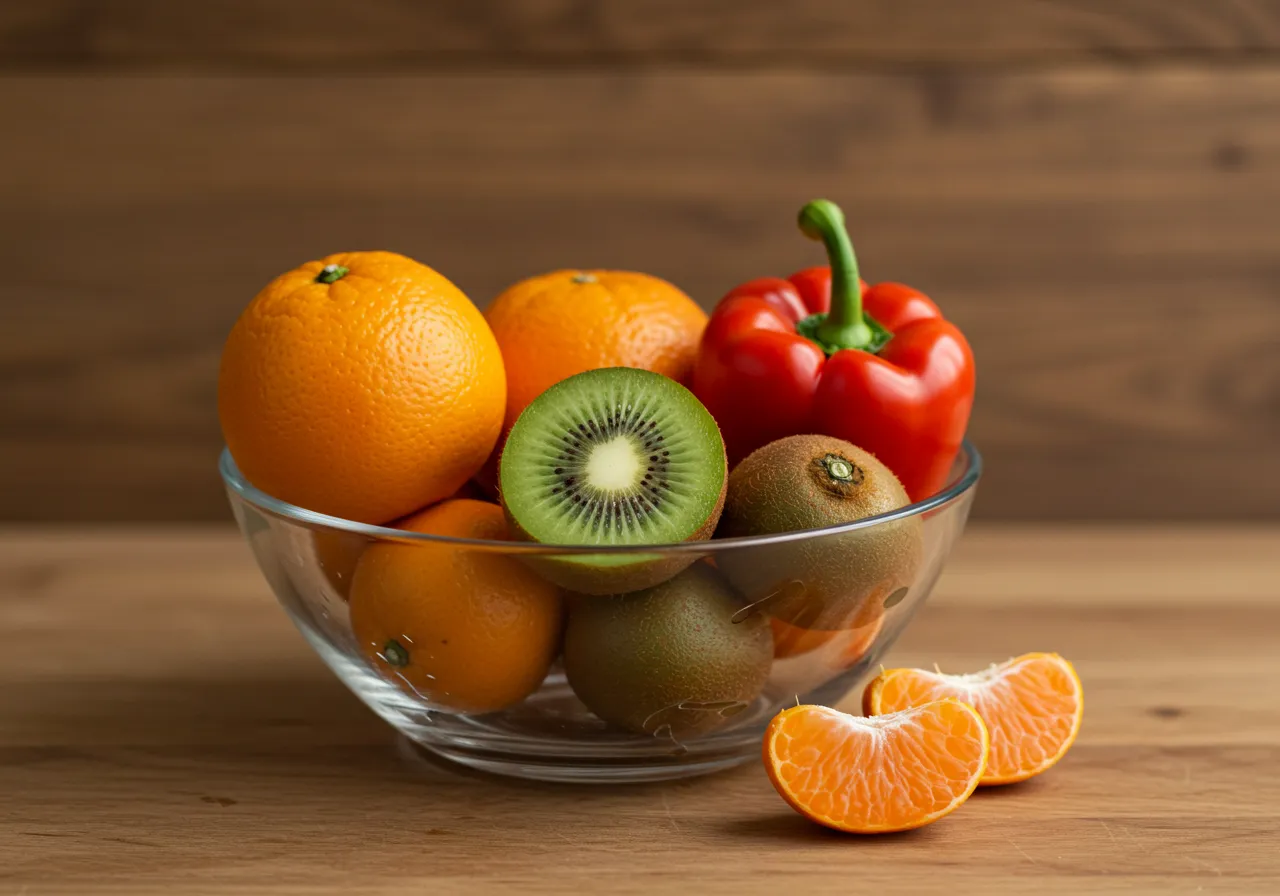
While an orange is a good source, many other fruits and vegetables pack an even bigger punch. Exploring these different sources of vitamin C can add variety and even more nutrients to your diet. Many of these options are also excellent sources of other important compounds, such as those found in high fiber foods. Here are some of the best foods you can eat.
Below is a list of some of the top fruits with vitamin C and other powerhouse vegetables. The table highlights the amount of vitamin C per standard serving, helping you easily track your intake.
| Food | Serving Size | Vitamin C (mg) | % of Daily Value (DV) |
|---|---|---|---|
| Red Bell Peppers | 1 cup, chopped | 190 mg | 211% |
| Guavas | 1 cup | 377 mg | 419% |
| Kiwifruit | 1 cup, sliced | 167 mg | 185% |
| Broccoli | 1 cup, chopped | 81 mg | 90% |
| Strawberries | 1 cup, halves | 98 mg | 108% |
| Oranges | 1 large fruit | 98 mg | 108% |
| Kale | 1 cup, chopped | 80 mg | 89% |
| Papaya | 1 cup, pieces | 88 mg | 98% |
| Brussels Sprouts | 1 cup | 75 mg | 83% |
| Pineapple | 1 cup, chunks | 79 mg | 88% |
How much vitamin C do you need per day?
Understanding how much vitamin C per day you should aim for is key to reaping its benefits without overdoing it. For most adults, the recommended dietary allowance (RDA) is a great target to aim for through a balanced diet. According to health authorities like the National Institutes of Health (NIH), the RDA varies slightly by age and sex.
The general recommendations are:
- Adult men: 90 milligrams (mg) per day
- Adult women: 75 milligrams (mg) per day
Certain factors can increase your daily requirements. For instance, smokers are advised to consume an additional 35 mg per day because smoking increases oxidative stress and metabolic turnover of the vitamin. Pregnant and breastfeeding women also have higher needs. A consistent fitness routine that includes both strength and cardio can also increase metabolic demands, making nutrient intake even more important.
Fortunately, as you can see from our list, meeting this daily goal is quite achievable through food. A single serving of many fruits and vegetables can provide 100% or more of your daily needs. Consistently hitting these targets is more important than taking massive doses, as your body will excrete any excess vitamin C it cannot use.
Vitamin C, weight management, and your fitness goals
A common question is whether vitamin C affects body weight. So, does vitamin C make you gain weight? The answer is a clear no. Vitamin C itself is a micronutrient with no calories, so it cannot directly cause weight gain. However, some fruit juices high in vitamin C can also be high in sugar and calories, which could contribute to weight gain if consumed in excess. Focusing on whole-food sources is always the best strategy.
On the other hand, does vitamin C help you lose weight? While not a magic bullet for weight loss, maintaining adequate vitamin C levels may support your efforts. A 2006 study from Arizona State University, published in the journal Nutrition & Metabolism, found that individuals with marginal vitamin C status oxidized 25% less fat during moderate exercise compared to individuals with adequate vitamin C status. This suggests that a deficiency could hinder your body’s ability to use fat for energy, which is crucial for anyone trying to lose belly fat.
Ultimately, vitamin C’s role in weight management is supportive, not direct. It contributes to an efficient metabolism and helps you recover from workouts, allowing you to train more consistently and effectively. Combining a diet rich in vitamin C with a structured exercise plan is the most effective approach for achieving and maintaining a healthy weight, regardless of your specific goals or if you have an endomorph body type.
Frequently asked questions
Does cooking destroy vitamin C?
Yes, vitamin C is sensitive to heat, light, and air. Cooking, especially boiling, can significantly reduce the vitamin C content in foods. To preserve it, opt for steaming, microwaving, or stir-frying for shorter periods. Eating fruits and vegetables raw is the best way to get the maximum amount.
What is the recommended daily intake of vitamin C?
The recommended daily intake (RDI) for adults, according to the NIH, is 90 mg for men and 75 mg for women. These amounts can typically be met easily by eating a variety of fruits and vegetables. It’s worth noting that recommendations vary by country: the UK’s NHS, for example, sets a notably lower target of around 40 mg per day for adults.
Does vitamin C help immunity?
Absolutely. Vitamin C is one of the most significant immune-supporting nutrients. It helps stimulate the production and function of white blood cells, which are essential for fighting off infections. It also acts as an antioxidant, protecting immune cells from damage.
Does supplemental vitamin C have the same effect as from food?
While supplements can help you meet your needs, they don’t offer the same benefits as whole foods. Foods high in vitamin C also contain fiber, other vitamins, minerals, and phytochemicals that work together synergistically. It’s always best to prioritize getting your nutrients from your diet first.
What are the signs of vitamin C deficiency?
Severe deficiency leads to scurvy, which is rare today. However, even low levels can cause symptoms like fatigue, rough or bumpy skin, slow-healing wounds, and painful or swollen joints. If you suspect a deficiency, consult a healthcare professional.
Does vitamin C help with the absorption of other nutrients?
Yes, one of its most important synergistic roles is enhancing the absorption of non-heme iron, which is the iron found in plant-based foods like beans, lentils, and spinach. Pairing these foods with a source of vitamin C can significantly boost how much iron your body absorbs.
Make vitamin C a daily part of your nutrition plan
Vitamin C is undeniably a vital nutrient for your health, immunity, and fitness performance. From protecting your cells as an antioxidant to building collagen for strong skin and joints, its benefits are extensive. While supplements are available, the best approach is to focus on a diet filled with a variety of colorful fruits and vegetables.
By incorporating the top foods high in vitamin C, such as bell peppers, guavas, kiwis, and broccoli, you can easily meet your daily needs and support your body’s functions. Remember that a holistic approach to nutrition is always superior to focusing on a single nutrient. A well-rounded diet is a key part of any successful long-term fitness plan, which often involves structured programming like periodization.
Ready to take your fitness and nutrition to the next level? Explore the BeFit blog for more expert-led advice and consider trying the BeFit app, one of the best workout apps available, to get personalized workout and nutrition plans tailored to your goals. Start fueling your body right today!