

Feeling sluggish, battling unpredictable digestion, or struggling to stay full between meals? Incorporating high fiber foods into your diet is one of the most effective strategies for improving digestive health, managing weight, and enhancing overall well-being. These nutritional powerhouses are essential for a thriving body, yet many people don’t get enough.
Think of fiber as the unsung hero of the nutrition world. It’s a unique type of carbohydrate that your body can’t digest. Instead of being broken down for energy, it travels through your digestive system, working its magic along the way. From keeping you regular to supporting a healthy heart, the benefits are too significant to ignore. Getting enough is a cornerstone of a truly healthy eating plan.
In this comprehensive guide, we will demystify fiber, explaining what it is, how it works, and the incredible benefits it offers. We will provide a list of delicious fiber rich foods you can easily find at the grocery store and even give you a sample meal plan to get started. By the end, you’ll have the confidence and knowledge to harness the power of high fiber foods for a healthier, more vibrant you!
What is fiber exactly?
So, what is fiber? At its core, fiber is a type of carbohydrate found in plants—fruits, vegetables, legumes, and whole grains. Unlike other carbs, your body’s digestive enzymes cannot break it down. This means it passes relatively intact through your stomach and small intestine and into your colon. While it doesn’t provide energy in the way other carbohydrates do, its role in your health is monumental.
Fiber is generally categorized into two main types, and both are important for your health:
- Soluble fiber: This type of fiber dissolves in water to form a gel-like substance in your digestive tract. This gel can slow down digestion, which helps you feel fuller for longer and plays a key role in managing blood sugar and cholesterol levels.
- Insoluble fiber: This type of fiber does not dissolve in water. Instead, it adds bulk to your stool and acts like a “scrubbing brush” for your intestines. This helps food pass more quickly through the stomach and intestines, promoting regularity and helping to prevent constipation.
Most plant-based foods contain a mix of both soluble and insoluble fiber, so you don’t need to stress about tracking each type individually. The best strategy is to focus on eating a wide variety of whole foods to ensure you’re getting the benefits of both.
How fiber works to improve your health
The journey of fiber through your body is what unlocks its diverse health benefits. When you consume soluble fiber, the gel it forms in your stomach and small intestine has several important effects. Firstly, it slows the emptying of your stomach, which contributes to a prolonged feeling of fullness, or satiety. This can be a game-changer for weight management.
Furthermore, this gel-like substance traps fats and sugars, slowing their absorption into the bloodstream. This action is crucial for maintaining stable blood sugar levels, preventing the sharp spikes and crashes that can lead to energy slumps and cravings. By slowing the absorption of dietary cholesterol, soluble fiber also helps lower LDL (“bad”) cholesterol levels, which is a major win for heart health. Improving your diet is a key component of overall conditioning and wellness.
Insoluble fiber, on the other hand, functions more mechanically. As it moves through your digestive system, it absorbs water and adds significant bulk to your stool. This makes the stool softer and easier to pass, which is essential for preventing and relieving constipation. This “bulking” effect also helps maintain a healthy and regular digestive rhythm.
Beyond these mechanical roles, fiber is a vital food source for the trillions of beneficial bacteria living in your gut—your gut microbiome. These microbes ferment certain types of fiber, producing short-chain fatty acids (SCFAs). These compounds have been linked to numerous health benefits, including reduced inflammation, improved immune function, and even better gut-brain communication.
The powerful benefits of a high-fiber diet
Consistently including fiber rich foods in your meals can transform your health. The benefits extend far beyond just digestion. Here are some of the most significant advantages of embracing a high-fiber lifestyle:
- Supports healthy weight management: High-fiber foods are typically more filling than low-fiber foods, so you’re likely to eat less and stay satisfied longer. This can help you naturally reduce your calorie intake without feeling deprived. For those trying to lose weight, understanding how many calories to eat is crucial, and fiber makes sticking to that target easier. It’s a key strategy for any body type, including those following an endomorph diet plan.
- Promotes heart health: Soluble fiber, found in foods like oats, barley, and beans, can help lower low-density lipoprotein (LDL), or “bad,” cholesterol levels. A diet rich in fiber has also been linked to lower blood pressure and reduced inflammation, all of which contribute to a healthier heart rate and cardiovascular system.
- Aids in blood sugar control: Because soluble fiber slows the absorption of sugar, it can help prevent sharp spikes in blood glucose after a meal. This is particularly beneficial for individuals with diabetes, but it’s also great for anyone looking to maintain stable energy levels throughout the day. A balanced diet helps manage how your body processes glucose.
- Enhances digestive regularity: This is fiber’s most famous benefit. Insoluble fiber increases stool bulk and promotes regular bowel movements, effectively preventing or relieving constipation. A healthy digestive system is the foundation of overall wellness.
- Lowers risk of certain diseases: Extensive research has shown that people who eat a high-fiber diet have a lower risk of developing several chronic conditions, including colorectal cancer. The prebiotic effect of fiber also supports a robust gut microbiome, which is increasingly linked to long-term health.
Top high fiber foods to add to your plate
Ready to start adding more fiber to your diet? The good news is that foods with fiber are delicious, versatile, and easy to find. Focusing on whole, unprocessed foods is the best way to increase your intake naturally. From crunchy vegetables to hearty grains, there are countless options to explore. Integrating these into your meals will help you feel more energized and support your health goals.
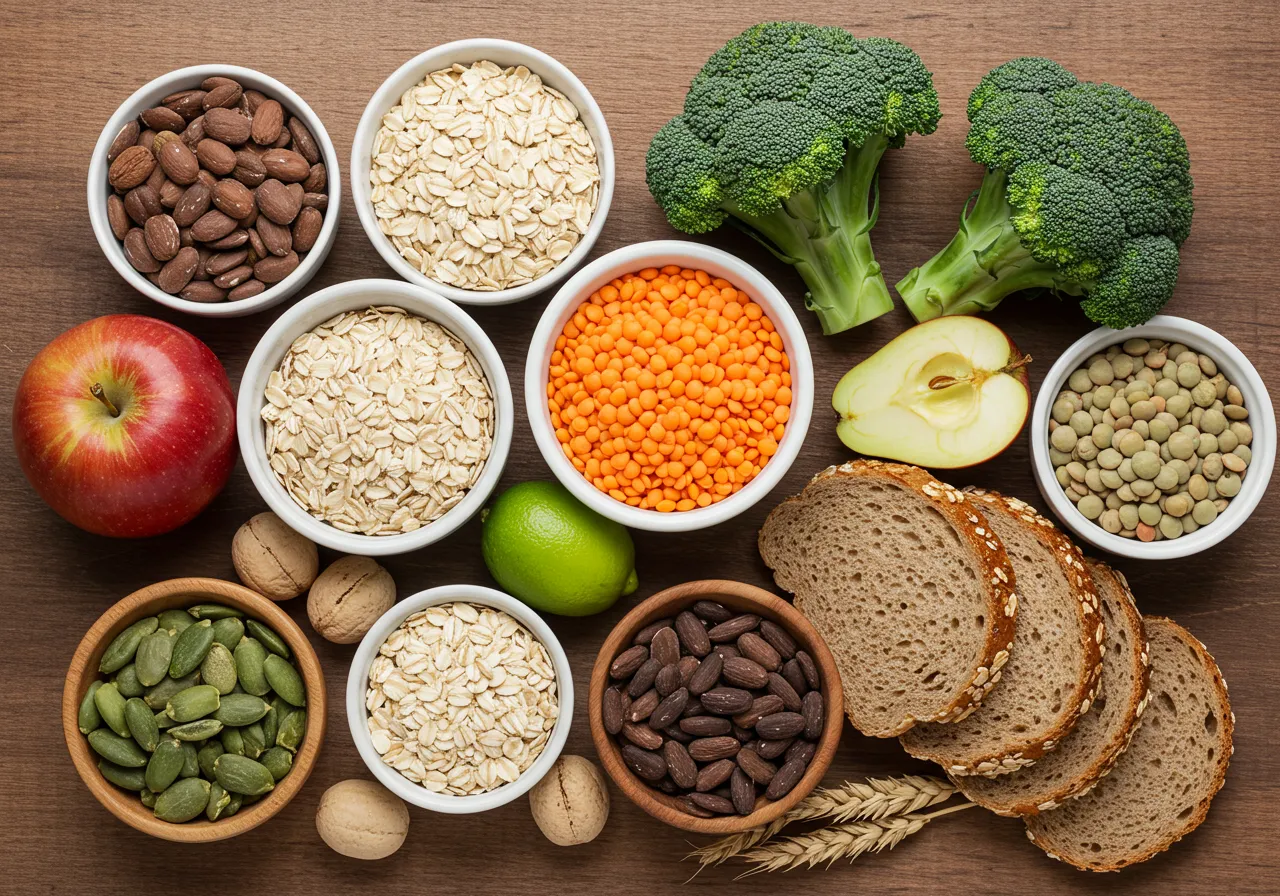
To help you get started, here is a table of some of the best high fiber foods, categorized for easy reference. Try to incorporate a variety of these into your weekly meals to get a wide range of nutrients alongside your fiber.
| Food category | Example foods | Approximate fiber per serving |
|---|---|---|
| Legumes | Lentils, chickpeas, black beans, kidney beans | 13-15 grams per 1 cup, cooked |
| Fruits | Raspberries, blackberries, pears, apples (with skin) | 4-8 grams per 1 cup or medium fruit |
| Vegetables | Broccoli, Brussels sprouts, carrots, artichokes | 5-7 grams per 1 cup, cooked |
| Whole grains | Oats, quinoa, barley, whole-wheat pasta | 5-8 grams per 1 cup, cooked |
| Nuts and seeds | Chia seeds, flax seeds, almonds, sunflower seeds | 8-10 grams per 2 tablespoons (seeds) or 1 ounce (nuts) |
Soluble vs. insoluble fiber: getting the right balance
While we know that both soluble and insoluble fiber are beneficial, understanding which foods are rich in each type can help you tailor your diet to specific goals. For instance, if you’re focused on lowering cholesterol, you might want to prioritize sources of soluble fiber. If regularity is your main concern, insoluble fiber is your best friend. However, the best approach is always a balanced one.
Most plant foods are not exclusively one or the other; they contain a combination of both. By choosing from a wide array of healthy and unhealthy food options, with an emphasis on the healthy, you’ll naturally get a good mix. Here are some examples to guide you:
Foods rich in soluble fiber
These foods are excellent for promoting satiety, stabilizing blood sugar, and supporting heart health. They form a gel in your digestive system, slowing things down in a beneficial way.
- Oats and oat bran
- Barley
- Nuts and seeds (especially flax and chia)
- Beans, lentils, and peas
- Apples, citrus fruits, and berries
- Carrots and Brussels sprouts
Foods rich in insoluble fiber
These foods are fantastic for promoting digestive regularity and preventing constipation.
- Whole-wheat flour and wheat bran
- Brown rice and other whole grains
- Nuts and seeds
- Vegetables like cauliflower, green beans, and leafy greens
- The skins of fruits like apples and pears
- Potatoes (with skin)
A sample high-fiber daily meal plan
Putting it all together can seem daunting, but it’s simpler than you think. A few small swaps and additions can dramatically increase your daily fiber intake.
Here is a sample day of eating to show you how delicious and satisfying a high-fiber diet can be. This is just an example, so feel free to customize it to your preferences to build a balanced diet that works for you.
- Breakfast (approx. 10-12g fiber): Start your day with a bowl of oatmeal (1 cup cooked) topped with a half-cup of mixed berries and one tablespoon of chia seeds. This combination provides a fantastic mix of soluble and insoluble fiber to keep you full until lunch.
- Lunch (approx. 15-18g fiber): Enjoy a large salad with a base of mixed greens, topped with a cup of chickpeas, chopped carrots, bell peppers, and cucumber. Add a quarter of an avocado for healthy fats and a sprinkle of sunflower seeds for extra crunch and fiber. Dress with a simple vinaigrette.
- Dinner (approx. 12-15g fiber): Try a serving of baked salmon or grilled chicken alongside one cup of cooked quinoa and a generous portion of roasted broccoli. This balanced meal provides protein, healthy fats, and a significant dose of fiber.
- Snacks (approx. 5-8g fiber): If you get hungry between meals, opt for a medium apple with a tablespoon of almond butter or a small handful of almonds. Both are easy, portable snacks that will keep your energy levels stable.
This sample day provides well over 40 grams of fiber, showcasing how achievable a high-fiber diet can be with mindful choices.
Common mistakes when increasing fiber intake
While increasing your fiber intake is highly beneficial, it’s important to do it correctly to avoid discomfort. Jumping in too quickly can lead to gas, bloating, and cramping as your digestive system adjusts. Here are a few common mistakes to avoid:
- Adding too much too soon: Your gut needs time to adapt to a higher fiber load. Instead of overhauling your diet overnight, add one high-fiber serving per day for a week. Gradually increase your intake every few days to allow your system to adjust comfortably.
- Not drinking enough water: Fiber, especially soluble fiber, works by absorbing water. If you increase your fiber intake without also increasing your fluid intake, you can actually worsen constipation. Aim to drink plenty of water throughout the day to help the fiber do its job effectively.
- Poor timing around workouts: A large, high-fiber meal right before a workout can lead to digestive distress. While fiber is a key part of what to eat before a workout, it’s best consumed 2-3 hours prior. For a quick pre-exercise snack, opt for something lower in fiber like a banana.
- Relying solely on supplements: Fiber supplements can be helpful, but they shouldn’t replace whole foods. Fiber-rich foods contain a wealth of vitamins, minerals, and antioxidants that you won’t get from a powder. Use supplements as a boost, not a replacement.
Frequently asked questions
How many grams of fiber should I eat per day?
General guidelines from health organizations recommend that adult women aim for about 25 grams of fiber per day, while men should aim for about 38 grams. However, most people fall short of this, so any increase toward these goals is beneficial for your health.
Does fiber powder replace fiber from real food?
While fiber powders can help you meet your daily goals, they should not be a complete replacement for fiber from whole foods. Real foods like fruits, vegetables, and legumes offer a complex package of vitamins, minerals, and antioxidants that supplements lack. Think of powders as a supplement, not a substitute.
Do foods with fiber help you lose weight?
Yes, they can be a powerful ally in weight loss. High-fiber foods promote a feeling of fullness, which can help you eat fewer calories overall. They also help stabilize blood sugar, reducing cravings for unhealthy snacks. Combining a high-fiber diet with regular exercise is an effective strategy to lose belly fat and improve body composition.
Does fiber help with constipation?
Absolutely. Insoluble fiber adds bulk to stool, and soluble fiber soaks up water to make it softer, both of which help it pass more easily through your system. It’s crucial to drink plenty of water when increasing fiber intake to ensure it works effectively for relieving constipation.
Can I eat fiber at night?
Yes, you can eat fiber at any time of day. However, consuming a very large, heavy, high-fiber meal right before lying down to sleep may cause digestive discomfort for some people. A moderately sized meal or a fiber-rich snack in the evening is generally well-tolerated and can even help prevent late-night hunger.
Small Changes, Big Results for Your Health
Embracing high fiber foods is one of the most impactful changes you can make for your long-term health. From optimizing your digestion and supporting your weight management goals to protecting your heart and stabilizing your energy, the benefits are undeniable. The key is to start gradually, listen to your body, and focus on variety.
By filling your plate with a colorful array of fruits, vegetables, legumes, and whole grains, you are not just adding fiber—you are nourishing your body on every level. This isn’t about a restrictive diet; it’s about adding an abundance of delicious, powerful foods that help you feel your absolute best.
Ready to take control of your nutrition and fitness journey? Explore the BeFit blog for more expert tips on healthy eating and effective workouts. For personalized meal and workout plans, download the BeFit app, one of the best workout apps to help you track your progress and achieve your goals.