
Do you want to build muscle mass quickly and efficiently? Many people spend hours training but don’t see the results they expect when they look in the mirror. The answer to this problem often lies at the foundation of your training routine: mastering compound exercises.
These movements work multiple muscle groups simultaneously, optimize your time, and allow you to lift heavier loads. That is why they form the cornerstone of any well-designed strength program, whereas many beginners get stuck using machines that isolate small muscles.
In this guide, you will learn what compound exercises are, how they differ from isolation exercises, which ones are best to include in your workout, and how to structure them to accelerate muscle growth.
What are compound exercises?
Compound exercises, also called multi-joint exercises, are movements that involve two or more joints at the same time, so they recruit several muscle groups in a single rep. Classic examples include the squat, deadlift, bench press, overhead press and pull-up.
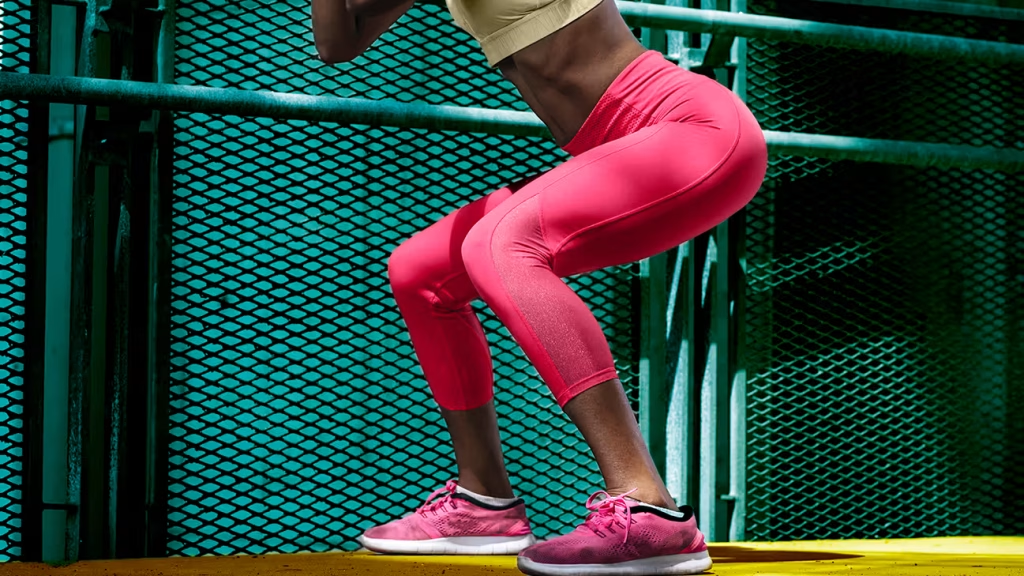
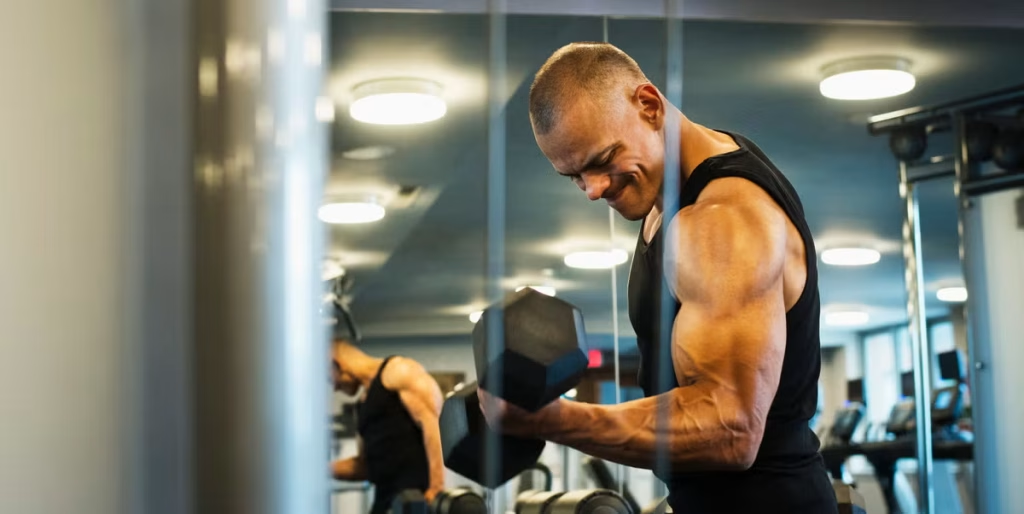
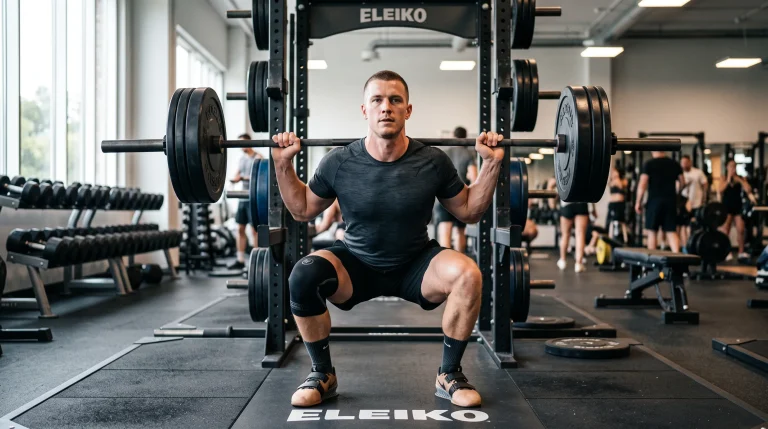
A barbell squat, for example, moves your hips, knees and ankles, working your quads, hamstrings, glutes and core together. A bicep curl, by contrast, only moves the elbow joint.
Because they recruit so much muscle, these lifts demand a lot of energy and focus. To see how they fit into the bigger picture, read our guide on how to build muscle.
How compound exercises help you get stronger
Multi-joint lifts place a high demand on your nervous system, which has to coordinate many muscles at once. Over time, this improves your strength, balance and intermuscular coordination, which carries over to almost any sport.
The main driver of muscle hypertrophy is mechanical tension, the force your muscles produce against a challenging load. Compound lifts excel here because they let you move much heavier weights than isolation exercises.
For years, people believed these lifts also built more muscle by boosting testosterone and growth hormone. A McMaster University study (West et al., 2010) tested this idea and found that these short-lived hormone spikes didn’t increase muscle or strength gains. What matters is the work your muscles do.
Research does show a practical advantage. In a study published in Frontiers in Physiology (Paoli et al., 2017), programs using only compound exercises led to greater strength and aerobic fitness gains than isolation-only programs with the same total volume. Body composition improved similarly in both groups, which shows the two types of exercise work best together.
Heavy multi-joint lifting also loads your skeleton, and over time resistance training can help maintain and modestly improve bone density, an important benefit as you age.
Key benefits of compound exercises
Adding these movements to your routine gives you the best return on your training time. Here are the main benefits:
- Increased calorie burn: Because you use more muscle mass, your body requires more energy. Consequently, you burn significantly more calories during and after your workout.
- Time efficiency: Training multiple muscles at once saves you valuable time. Therefore, you can complete a highly effective full-body workout in under forty-five minutes.
- Heavier loads: Utilizing several muscle groups allows you to lift much heavier weights. Thus, you easily apply progressive overload to force continuous adaptation.
- Core activation: Heavy free-weight lifts require immense core stability. Furthermore, you build a strong midsection without doing endless abdominal crunches.
- Cardiovascular conditioning: Performing heavy multi-joint lifts with short rest periods elevates your heart rate dramatically. Thus, you simultaneously improve your cardiovascular endurance while building impressive muscular strength.
Together, these benefits make compound lifts the backbone of an efficient training plan, whether you’re chasing strength, size or general fitness.
Compound vs. isolation exercises
Both types of exercise have a place in a balanced routine, but they serve different purposes. Isolation exercises target one muscle and one joint, which makes them great for fixing imbalances or finishing off a tired muscle. Compare the two:
| Feature | Compound exercises | Isolation exercises |
|---|---|---|
| Joints involved | Two or more | Only one |
| Muscle groups | Multiple simultaneously | Single target muscle |
| Weight lifted | Heavy | Light to moderate |
| Energy required | Very high | Relatively low |
| Primary goal | Overall strength and mass | Detail and specific fatigue |
As a general rule, do your heavy compound lifts at the start of your workout, while your energy is high. Then use isolation moves to target specific weak points.
The 7 best compound exercises for maximum strength
To build an impressive physique, master the fundamental lifting patterns first. These 7 movements form the foundation of almost every effective program:
- Barbell back squat: Often called the king of all exercises, the squat builds massive leg and core strength. If you need help choosing equipment, read our comparison on the barbell squat vs Smith machine.
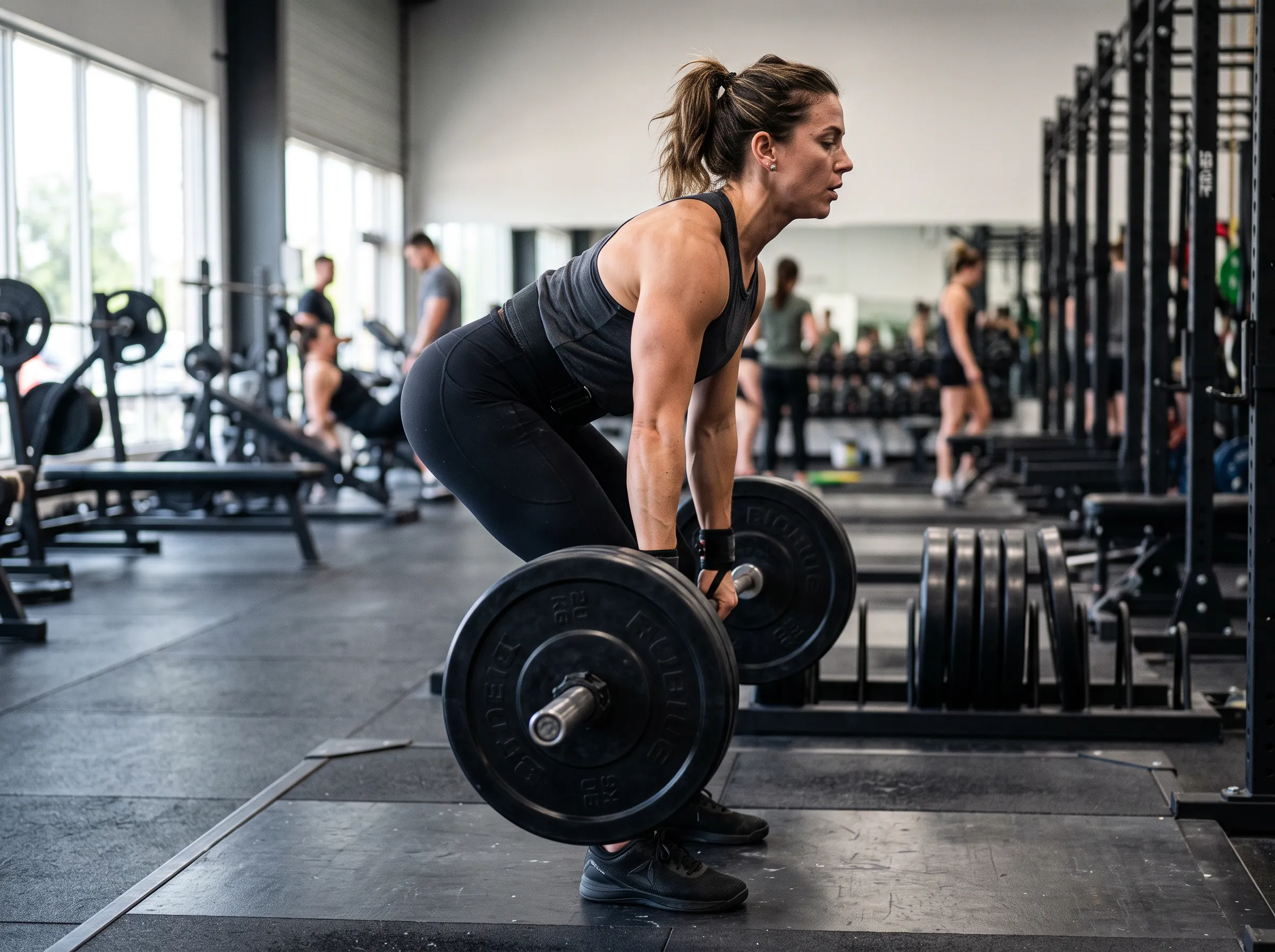
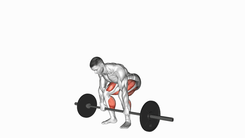
- Deadlift: This incredible movement targets your entire posterior chain, including hamstrings, glutes, and back. Furthermore, you can check out our guide on how to deadlift safely.
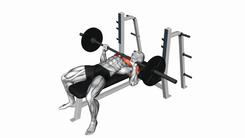
- Bench press: The ultimate upper body pushing exercise. Consequently, it builds a powerful chest, strong front deltoids, and thick triceps.
- Overhead press: Pressing a weight overhead challenges your entire shoulder girdle. Moreover, it requires intense core bracing to protect your lower back.
- Pull-up: This bodyweight staple builds a wide, strong back and powerful biceps. Thus, mastering it drastically improves your relative body strength.
- Barbell row: A heavy horizontal pull that thickens your mid-back and lats. Additionally, it helps balance the heavy pressing movements in your routine.
- Lunges: Dynamic unilateral leg movements challenge your balance and coordination. Therefore, they effectively fix muscular imbalances between your left and right legs.
-
Muscles
- Primary
-
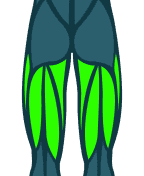 Hamstrings
- Secondary
-
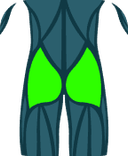 Glutes
-
Instructions
- Stand with your feet positioned hip-width apart
- Hold the bar with your hands aligned with your shoulders
- Keep your glutes and core engaged, and your torso upright
- Perform the movement by lowering your hips, bending your knees, and leaning your torso slightly forward
-
Important Tips
- Lower the bar close to your thighs, knees, and shins
- Perform the movement only as far as your mobility and flexibility allow
- Avoid using momentum or sudden movements
Barbell Deadlift
-
Muscles
- Primary
-
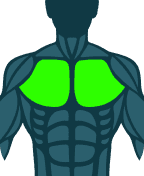 Chest
- Secondary
-
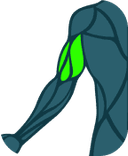 Triceps
-
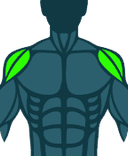 Shoulders
-
Instructions
- Lie on the bench with your feet flat on the floor
- Hold the bar and position your hands at shoulder width
- Start with your elbows extended
- Perform the movement by lowering the bar until it approaches your chest
- Push the bar, return in a controlled manner and repeat
-
Important Tips
- Avoid lifting your hips off the bench support
- Keep your abdomen and glutes contracted
- Avoid using momentum or sudden movements
Barbell Bench Press
-
Muscles
- Primary
-
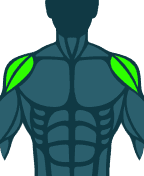 Shoulders
- Secondary
-
Triceps
-
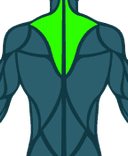 Trapezius
-
Instructions
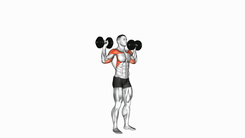
- Stand with your feet shoulder-width apart, holding a dumbbell in each hand at shoulder height.
- With your palms facing forward, push the dumbbells up until your arms are fully extended.
- Avoid locking your elbows at the end of the movement.
- Slowly lower the dumbbells to the starting position.
- Repeat while maintaining good posture and control.
-
Important Tips
- Keep your torso upright and your abdomen contracted to stabilize the spine.
- Avoid excessively arching the lower back during the movement.
- Do not let the elbows move backward — keep them slightly in front of the torso.
- Perform the movement slowly and controlled, especially on the descent.
Dumbbell Standing Overhead Press
-
Muscles
- Primary
-
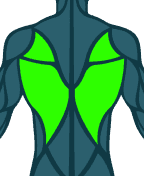 Back
- Secondary
-
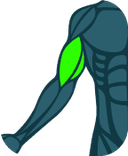 Biceps
-
Shoulders
-
Instructions
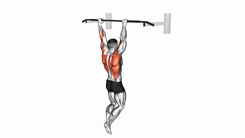
- Hold the bar with your hands at shoulder width
- Orient your palms facing forward
- Keep your elbows and legs fully extended
- Perform the movement by pulling your body upward until your chin passes the bar
- Lower yourself in a controlled manner
-
Important Tips
- Avoid swinging your body forward and backward
- Keep your abdomen and glutes contracted
- Avoid using momentum or sudden movements
Pull Up normal grip
-
Muscles
- Primary
-
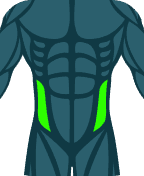 Obliques
- Secondary
-
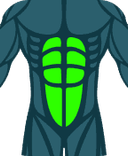 Abdominals
-
Instructions
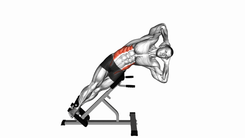
- Sit sideways on the bench and position your hip against the support, leaving only your torso hanging off the bench
- Place your hands behind your head and one foot in front of the other
- Contract your abdomen
- Perform the lateral flexion movement of the torso in a controlled manner
-
Important Tips
- Avoid lifting your hip off the backrest of the bench
- Avoid rotating your torso; perform only lateral flexion
- Avoid jerks and sudden movements
45 Degree Side Bend
Start with light loads to learn each pattern, then add weight gradually as your technique becomes consistent.
How to program compound exercises at the gym?
Knowing the movements is only half the battle. Start by choosing a routine that fits your schedule. A full body workout works well if you train 2 or 3 times a week, while our workout split guide covers 4- to 6-day options like push, pull, legs. If you want to build your own plan, see how to create a workout split at the gym.
For strength, aim for 3 to 5 sets of 5 to 8 reps on your main lifts, and keep an eye on your training volume per muscle group to avoid burnout. Heavy lifts also need longer recovery, so review the research on rest between sets.
Finally, keep a training log with your weights, sets and reps for every session. That record is what lets you apply progressive overload week after week.
Common mistakes to avoid
Even experienced lifters fall into bad habits with multi-joint movements. Correcting these will speed up your progress and protect your joints:
- Sacrificing form for weight: Adding too much weight often leads to form breakdown. Consequently, you shift tension away from the target muscles and onto vulnerable joints. Always prioritize perfect technique.
- Skipping the warm-up: Heavy lifts require primed muscles and lubricated joints. Therefore, you must perform five to ten minutes of dynamic stretching and lighter warm-up sets before your working weight.
- Ignoring progressive overload: Lifting the exact same weight for months will stall your progress. Thus, you must gradually increase the resistance, reps, or sets over time to force new growth.
- Poor breathing technique: Failing to brace your core properly compromises your spine. Moreover, you should learn the Valsalva maneuver to create intra-abdominal pressure during heavy squats and deadlifts.
- Neglecting mobility work: Multi-joint lifts require healthy joints and full ranges of motion. Therefore, ignoring your flexibility will eventually lead to movement compensations. You should dedicate time to stretching tight hips, ankles, and shoulders regularly.
Avoiding these mistakes helps you build strength safely. If you’re returning from a break, muscle memory can also help you regain lost strength faster.
Frequently asked questions
-
Are compound exercises better for building muscle?
Yes, they are highly effective because they recruit multiple muscle groups and allow you to lift heavier weights. Therefore, they create a stronger stimulus for overall muscle hypertrophy compared to isolation movements alone.
-
Do compound exercises help you lose weight?
Absolutely. Because they require so much energy and muscle activation, they burn a significant amount of calories. Consequently, they elevate your metabolic rate for hours after your workout finishes.
-
Can you do compound exercises at home without equipment?
Yes, you certainly can. Bodyweight movements like push-ups, pull-ups, squats, and lunges are all excellent multi-joint exercises. Thus, you can build impressive strength at home using just your own body weight.
-
Should you do compound exercises before or after isolation exercises?
You should almost always perform them before isolation exercises. They demand the most energy and central nervous system focus. Furthermore, fatiguing a specific muscle first will severely limit your performance on heavy lifts.
Compound exercises: the foundation of a routine that delivers
Mastering compound exercises is one of the fastest ways to reach your fitness goals. They help you build a strong, resilient physique and develop strength that improves your everyday life.
Start light, perfect your technique and add weight gradually. Support your training with enough protein and carbohydrates, and stay consistent: patience and steady progress are your greatest allies.
Ready to take your training to the next level? Download the Befit app to get personalized workout plans built around the most effective lifts and track your progress every step of the way.