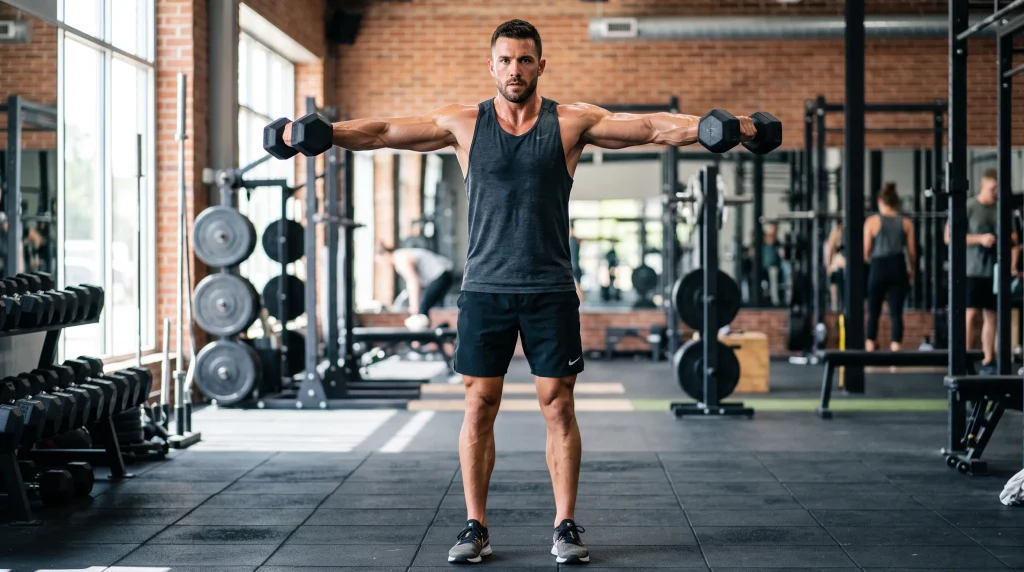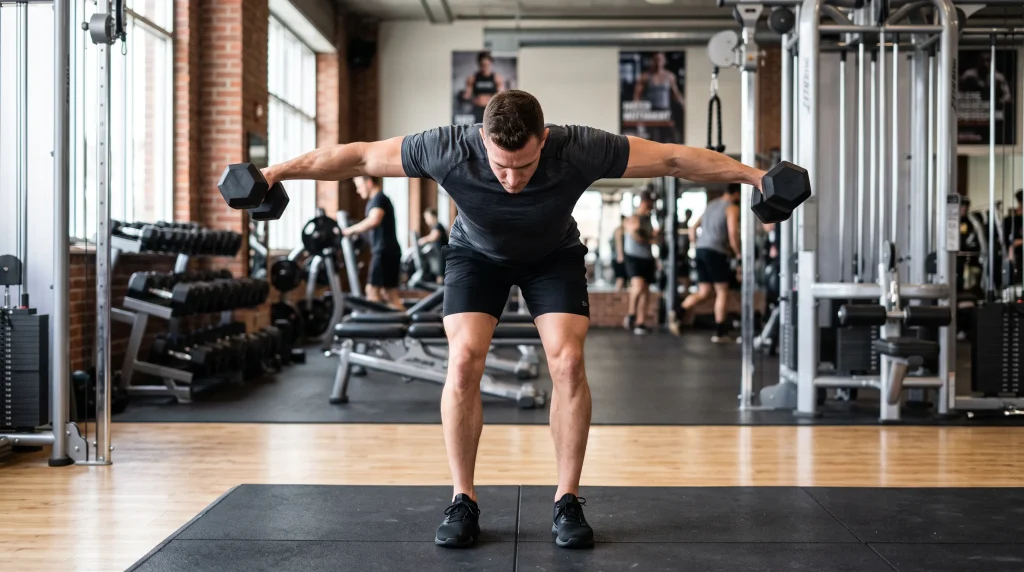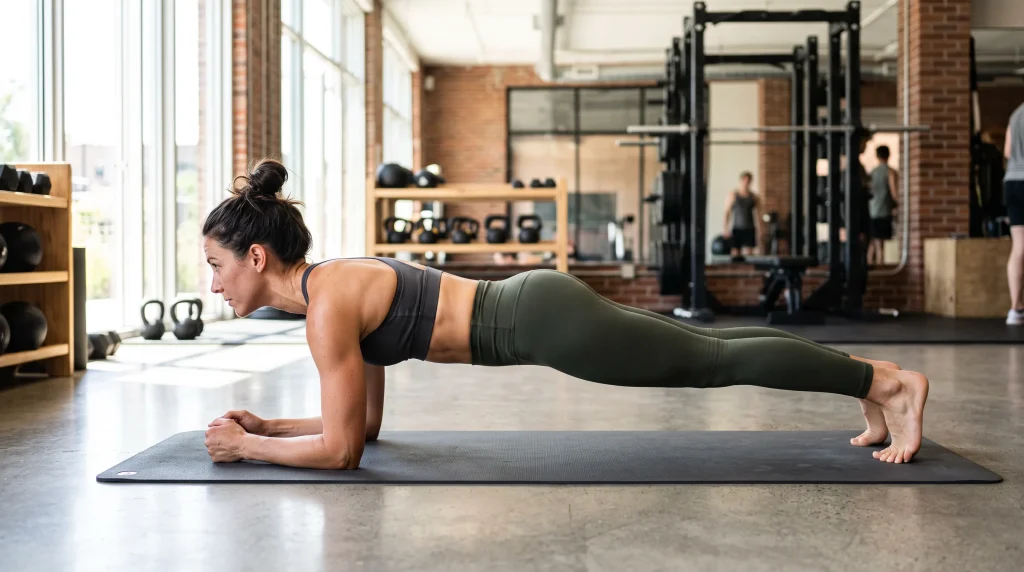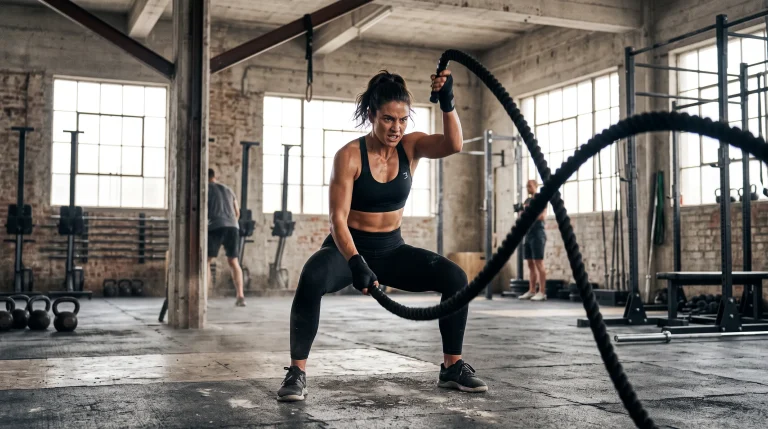

Are you looking for a dynamic way to transform your daily fitness routine? A bootcamp might be exactly what you need. This high-intensity training style pushes your physical limits while building incredible overall strength, and joining one can completely revitalize your gym motivation.
Many people wonder what makes this workout so effective. A bootcamp combines cardiovascular exercises with intense strength training intervals, creating a supportive and energetic group atmosphere. You’ll sweat, work hard, and see real results.
Whether you want to build lean muscle or improve your daily endurance, a bootcamp delivers, which is part of why this training method has become a massive global fitness phenomenon. Let’s explore how this intense workout can elevate your health journey.
What is bootcamp?
Originally inspired by rigorous military training, a fitness bootcamp is a structured group exercise program that blends intense bodyweight movements with demanding cardiovascular drills, providing a comprehensive full-body workout.
These sessions usually last between forty-five and sixty minutes. Instructors guide you through rapid intervals of intense physical activity, followed by short periods of active rest, keeping your heart rate elevated throughout.
A typical class requires very little specialized or heavy exercise gear. Instead, it relies heavily on utilizing your own natural body weight. You will perform classic movements like push-ups, squats, burpees, and rapid sprints. Therefore, it builds functional strength that improves your overall conditioning significantly.
7 key benefits of joining a fitness bootcamp
Participating in these rigorous classes offers numerous physical and mental health advantages. Here are seven incredible benefits you can expect from consistent attendance:
- Accelerated fat loss: The unique combination of strength and cardio maximizes your daily calorie burn. Therefore, it serves as an excellent bootcamp for weight loss. You will easily lose belly fat over time.
- Full-body strength: You continuously engage multiple major muscle groups simultaneously. Consequently, you build balanced muscular strength without needing heavy gym machinery.
- Improved cardiovascular health: The rapid exercise pace forces your heart and lungs to adapt quickly. Over time, this significantly lowers your resting heart rate and improves daily stamina.
- Enhanced mental toughness: Pushing through physical fatigue builds incredible mental resilience. Thus, you learn to overcome difficult obstacles both inside and outside the gym environment.
- Strong community support: Group training naturally creates a powerful sense of camaraderie. Furthermore, working alongside others naturally boosts your daily motivation and personal accountability.
- High time efficiency: You achieve maximum physical results in under one single hour. Therefore, this workout perfectly suits busy individuals managing very tight daily schedules.
- Better functional movement: The core exercises mimic natural human movement patterns closely. As a result, you improve your agility, balance, and daily physical performance safely.
Together, these benefits explain why bootcamp classes have become a staple for people who want an efficient, well-rounded workout without a complicated gym routine.
The physiological mechanism behind a bootcamp workout
The true magic of a bootcamp workout lies in its intense metabolic demand. This specific training style utilizes high-intensity interval training principles effectively. Therefore, your body must work extremely hard to supply oxygen to your working muscles. This creates a massive and sustained energy expenditure.
During these highly intense intervals, you primarily utilize your anaerobic energy systems. Meanwhile, the short rest periods force your aerobic system to recover incredibly quickly. As a result, you develop explosive power while simultaneously challenging your cardio capacity.
Furthermore, this intense physical effort triggers a powerful afterburn effect. Fitness scientists call this excess post-exercise oxygen consumption. Consequently, your body continues to burn extra calories long after the actual class ends. This amazing biological mechanism makes the workout incredibly time-efficient.
Bootcamp vs other training styles
Understanding how this method compares to other workouts helps you choose wisely. Many people confuse these group classes with traditional solo gym routines, but the structure and environment differ significantly.
| Feature | Bootcamp | Traditional Gym | CrossFit |
|---|---|---|---|
| Primary Focus | Endurance and bodyweight strength | Isolated muscle building | Olympic lifting and gymnastics |
| Equipment | Minimal (kettlebells, bands, bodyweight) | Heavy machines and free weights | Barbells, rigs, and specialized gear |
| Environment | Highly structured group setting | Individual and self-paced | Competitive group setting |
| Pacing | Fast intervals with short rest | Longer rest between heavy sets | Timed circuits and heavy lifts |
The approach differs quite a bit from traditional lifting, and compared to CrossFit, bootcamp generally uses much lighter weights — a slightly lower barrier to entry for complete novices.
Popular types of bootcamp classes
Modern fitness facilities offer several variations of this training style. An outdoor bootcamp takes advantage of local parks and natural terrain — you might run up hills, jump over logs, or use park benches for a refreshing natural element.
Indoor studio classes, on the other hand, use specialized functional training equipment like suspension trainers, medicine balls, or battle ropes, with the added benefit of reliable climate control for year-round training.
Some specialized programs specifically target certain demographics or fitness levels. You can find a bootcamp for beginners tailored to new athletes, focusing on proper form and gradual progression.
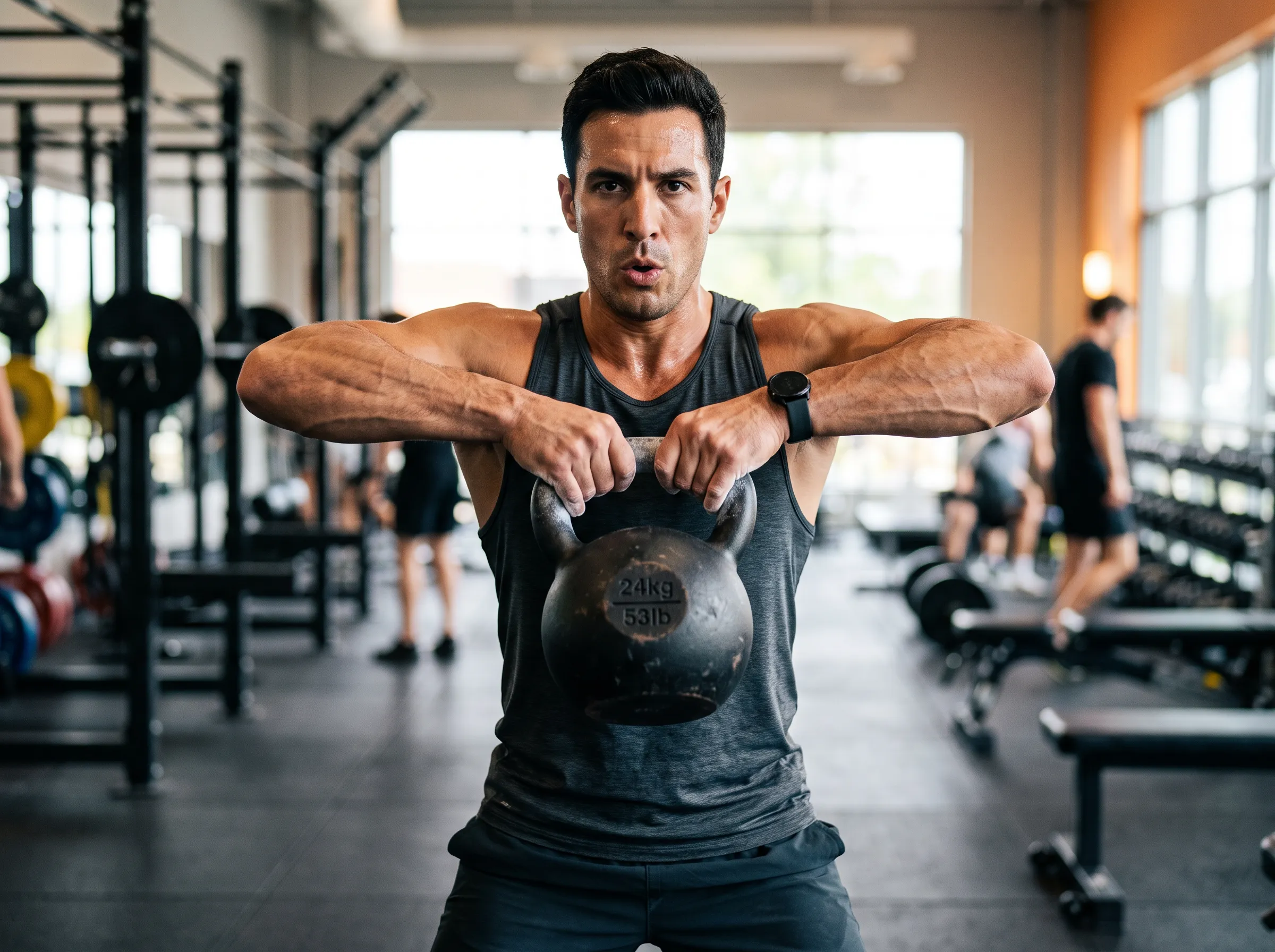
Practical application: A sample beginner routine
You can easily try a basic version of this workout at home today. This simple introductory circuit requires absolutely zero fitness equipment. Furthermore, it perfectly introduces you to the rapid pacing of a real class. Follow these specific steps carefully for a quick twenty-minute session.
- Warm-up (5 minutes): Perform light jogging in place, wide arm circles, and dynamic lunges. Therefore, you properly prepare your joints and muscles for the intense work ahead.
- Bodyweight squats (45 seconds): Keep your chest up and lower your hips deeply. Afterward, rest completely for fifteen seconds before moving to the next movement.
- Push-ups (45 seconds): Maintain a strong core and lower your chest to the floor. You can modify this by dropping to your knees. Thus, you protect your shoulders safely. Rest fifteen seconds.
- Mountain climbers (45 seconds): Drive your knees toward your chest rapidly while holding a plank position. Consequently, this spikes your heart rate dramatically. Rest fifteen seconds.
- Jumping jacks (45 seconds): Perform this classic cardio move with maximum physical energy. This mimics the benefits of jumping rope perfectly. Finally, rest for one full minute. Repeat this entire circuit four times.
What to bring to a bootcamp
Proper preparation ensures you get the most out of your session. Wear supportive athletic running or cross-training shoes — proper footwear absorbs impact and stabilizes your ankles during lateral movements.
Pack a large reusable water bottle, since hydration is crucial during any high-intensity program, and consider a small microfiber sweat towel — you’ll sweat a lot during these intervals.
Finally, wear breathable, moisture-wicking athletic clothing. Avoid heavy cotton shirts that trap heat and moisture — lightweight synthetic fabrics let you move freely and focus on your performance.
Nutrition tips for high-intensity training
Fueling your body correctly dramatically impacts your overall class performance. You cannot out-train a consistently poor daily diet. Therefore, consuming the right macronutrients before your session provides essential muscular energy. Carbohydrates remain your primary fuel source for high-intensity intervals.
You should carefully review what to eat before a workout to maximize results. Consuming a small banana or oatmeal an hour before class works perfectly. Furthermore, this prevents uncomfortable stomach cramps while jumping or running. Thus, you ensure optimal energy levels throughout the entire hour.
Post-workout nutrition is equally important for rapid muscle recovery. You must consume lean protein within an hour after finishing your intense class. Consequently, your muscle fibers repair themselves faster and grow significantly stronger. Proper nutrition truly accelerates your entire fitness transformation.
Common mistakes to avoid during class
Many eager new participants make avoidable errors during their first few classes.
- Sacrificing form for speed: prioritize perfect technique over completing more repetitions. Otherwise, you significantly increase your risk of injury.
- Ignoring your body’s warning signals: trainers often encourage you to push hard, but you should never train through sharp pain. Take extra rest if you feel dizzy or excessively fatigued.
- Expecting overnight results: people often wonder how long they need to go to the gym to see results and quit prematurely when changes don’t appear immediately. Building true fitness requires consistent dedication over months.
Most of these mistakes fade naturally once you settle into a rhythm and stop comparing your first few weeks to someone else’s months of training.
Frequently asked questions
Is bootcamp good for beginners?
Yes, it is highly adaptable for all current fitness levels. Instructors always provide safe modifications for complex or heavy exercises. Therefore, beginners can safely build foundational strength and endurance at their own comfortable pace.
How many calories does a bootcamp class burn?
A typical intense session burns between 400 and 600 calories per hour. However, this exact number varies based on your body weight and total effort level. Furthermore, the metabolic afterburn effect continues to torch calories post-workout.
What is the difference between bootcamp and functional training?
While both use compound movements, bootcamps focus heavily on high-intensity cardio intervals and group pacing. Functional training prioritizes movement quality and mobility for daily life. Both methods complement each other perfectly.
Do I need to bring any equipment to a bootcamp?
Usually, the hosting facility provides all necessary heavy equipment like kettlebells or bands. You only need to bring supportive athletic shoes, a water bottle, and a sweat towel. Thus, it remains highly accessible for everyone.
Is bootcamp safe for people with joint problems?
It can be safe if you clearly communicate your limitations to the instructor beforehand. They will provide excellent low-impact alternatives for heavy jumping exercises. However, you should always consult your medical doctor before starting.
Making bootcamp part of your fitness routine
In summary, joining these dynamic classes offers a phenomenal way to elevate your fitness. This unique training style builds impressive strength, torches body fat, and improves cardiovascular health. Furthermore, the highly supportive group environment keeps you consistently motivated and accountable.
Whether you train outdoors or inside a specialized studio, the benefits remain undeniable. You will push far past your perceived limits and discover exciting new physical capabilities. Consequently, you will build a highly resilient mind and an incredibly powerful body. This helps you build your ideal shape faster.
Are you completely ready to transform your stagnant daily routine? Download one of the best workout apps today to track your progress and find perfect plans. Step out of your comfort zone, embrace the physical challenge, and start your journey toward optimal health right now.