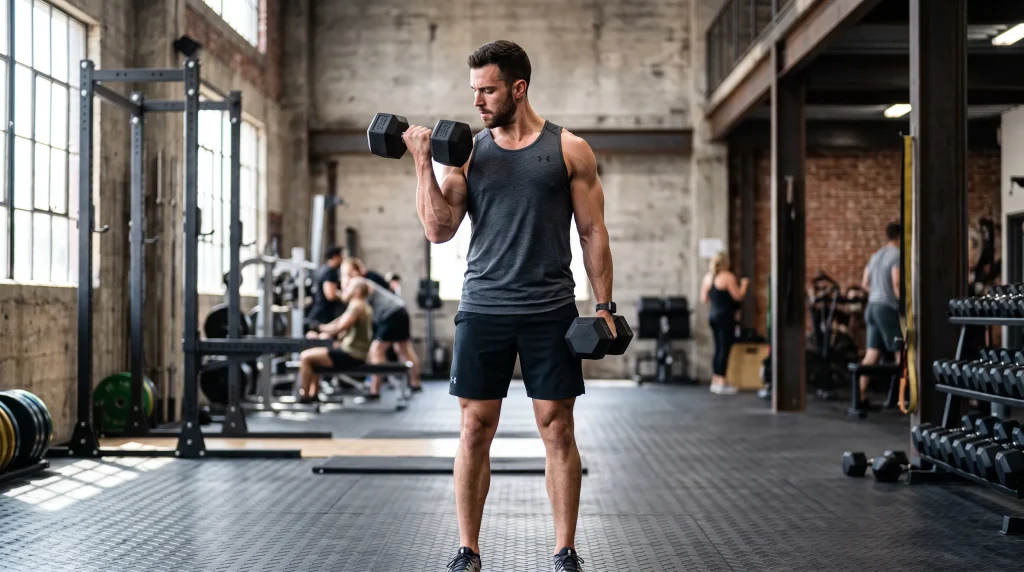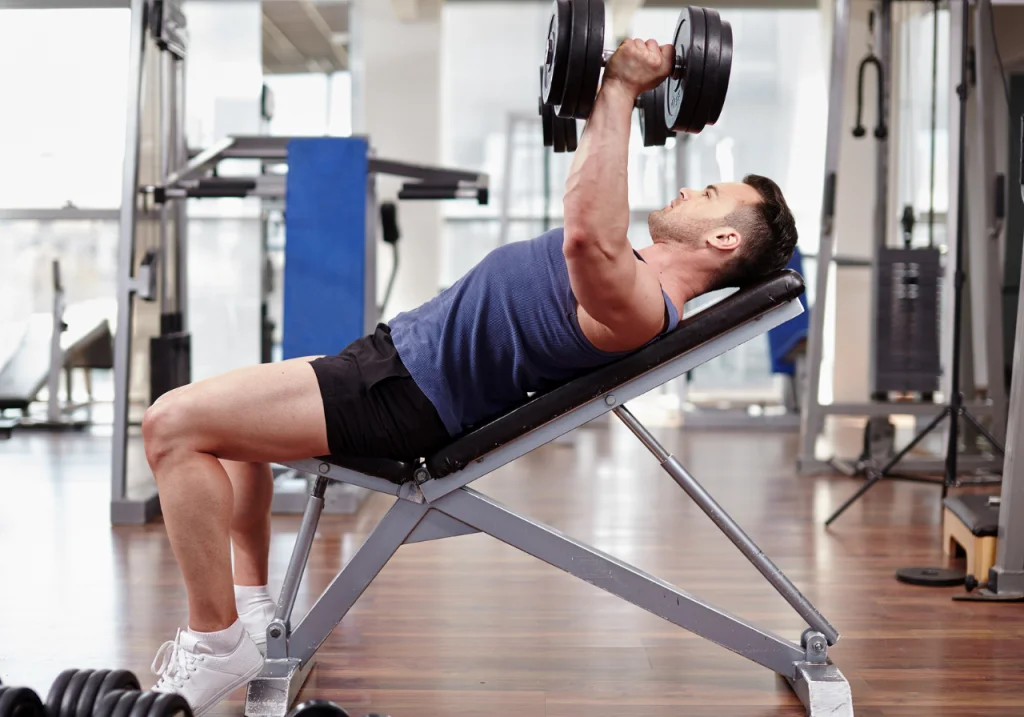

Building an impressive V-taper physique means focusing primarily on shoulder width, and finding the best side delt exercises is essential to that look — dedicating specific time to this muscle group can transform your upper body aesthetics, since building wide shoulders creates the illusion of a smaller waist.
Many gym-goers struggle to grow their shoulders despite pressing heavy weights, missing out on developing the crucial middle portion of the shoulder complex. Incorporating side delt exercises into your weekly routine ensures balanced development and helps prevent joint injuries from structural imbalances — you can’t rely on overhead presses alone.
This guide covers how to optimize your training sessions, the best side delt exercises to maximize hypertrophy, and the mechanics behind each rep so you can perform them with proper form.
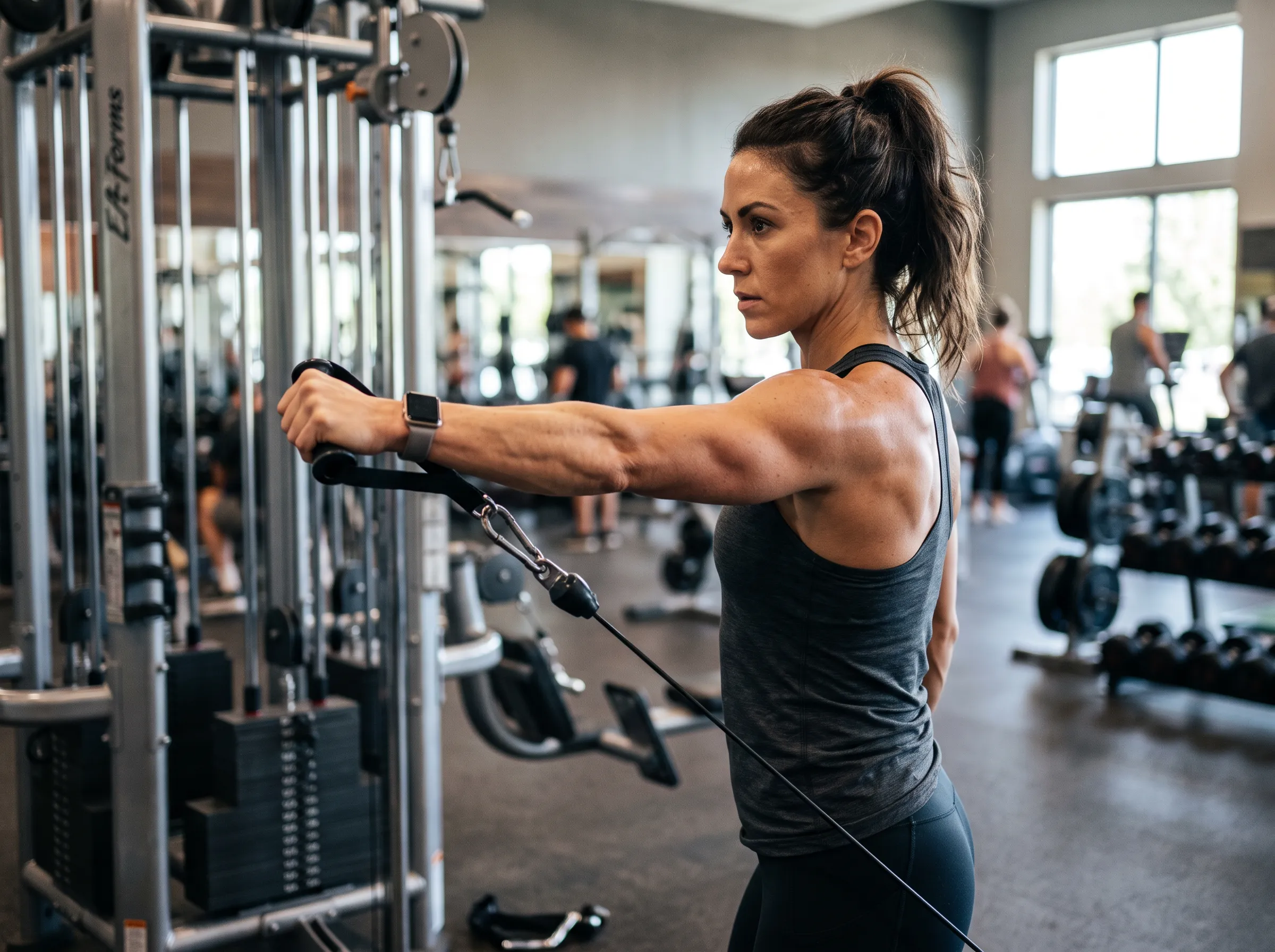
What is the side deltoid?
To truly understand your shoulder development, you must ask one vital question. Exactly what is the side deltoid? The deltoid muscle consists of three entirely distinct heads. These are the anterior, side, and posterior heads. The side head sits right on the outside edge of your shoulder joint.
It’s the primary muscle responsible for giving your shoulders a wide, capped appearance. This head is uniquely positioned to lift your arm out to the side — a movement technically known as shoulder abduction, and a fundamental human movement pattern.
Standard pressing movements don’t target this area optimally, so you need dedicated side delt exercises to isolate and stimulate the muscle. Without targeted isolation, your front delts tend to take over the workload, leaving your side delts underdeveloped.
The 7 best side delt exercises for wider shoulders
Here’s a list of the best side delt exercises to incorporate into your routine, chosen for their proven ability to deliver hypertrophy results.
1. Dumbbell lateral raise
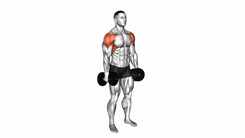
This is the classic movement for building shoulder width. Stand tall and smoothly raise the dumbbells out to your sides, keeping a slight bend in your elbows throughout the set.
Tilt your hands slightly downward at the top, as if pouring a pitcher of water — this internal rotation ensures the lateral head takes the brunt of the load, giving you a deeper burn in the target muscle.
-
Muscles
- Primary
-
 Shoulders
- Secondary
-
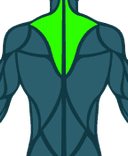 Trapezius
-
Instructions
- Stand holding the dumbbells at your sides near your hips
- Contract your abdomen and glutes to stabilize your torso
- Lift the dumbbells upward until they align with your shoulders
- Maintain a slight bend in your elbows
- Perform the upward and downward movement in a controlled manner
-
Important Tips
- Avoid using momentum or sudden movements
- Avoid lifting the dumbbells excessively beyond shoulder height
- Do not move your torso excessively
Lateral raises dumbell
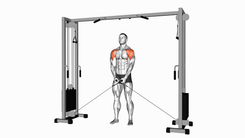
2. Cable lateral raise
Cables provide continuous tension throughout the movement, so the target muscle never gets a chance to rest at the bottom of the rep — one of the best options for generating intense metabolic stress.
Set the cable at the lowest setting and pull across your body to maximize the stretch phase of the movement for superior growth.
-
Muscles
- Primary
-
Shoulders
- Secondary
-
Trapezius
-
Instructions
- Stand upright and grab the pulley cable in a crossed manner, starting with your hands slightly in front of your hips
- Contract your abdomen and glutes to stabilize your torso
- Lift the cable upward until your hands align with your shoulders
- Maintain a slight bend in your elbows
- Perform the upward and downward movement in a controlled manner
-
Important Tips
- Avoid using momentum or sudden movements
- Avoid raising your hands excessively beyond shoulder height
- Do not move your torso excessively
Cable lateral raise
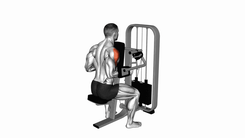
3. Machine lateral raise
Using a dedicated machine removes the need for core stabilization, so you can focus purely on pushing the shoulder muscle to its limit — an excellent choice for training to failure safely.
The machine also enforces a strict, fixed path that isolates the side delts well.
-
Muscles
- Primary
-
Shoulders
- Secondary
-
Trapezius
-
Instructions
- Sit on the bench with your feet and arms positioned on the support
- Start with your elbows bent and close to your torso
- Perform the movement by pushing the support upward until your elbows align with your shoulders
- Return in a controlled manner
-
Important Tips
- Avoid excessively lifting your shoulders
- Keep your torso upright with your abdomen contracted
- Avoid using momentum or sudden movements
Machine lateral raise
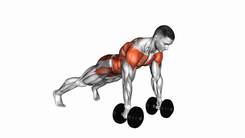
4. Leaning dumbbell lateral raise
Grab a sturdy vertical pole and lean your body away from it. This torso angle changes the exercise’s resistance curve, placing maximum muscular tension on the lateral head right at the top of the movement.
Leaning away also increases the total range of motion, forcing the muscle to work harder at the peak contraction point.
-
Muscles
- Primary
-
Shoulders
- Secondary
-
Trapezius
-
Instructions
- Stand upright, holding a dumbbell in one hand and using the other hand to hold onto a support
- Perform a lateral tilt with your entire body toward the side holding the dumbbell
- Keep your body fully aligned and the dumbbell hanging downward with your arm extended
- Perform the movement by lifting your arm until the dumbbell aligns with your shoulder
- Return in a controlled manner
-
Important Tips
- Avoid excessively lifting your shoulders and misaligning your torso
- Keep your elbow slightly bent
- Avoid using momentum or sudden movements
Leaning dumbell lateral raise
5. Egyptian cable raise
Run the low cable behind your legs instead of pulling it in front of you. This angle allows for a deeper stretch at the bottom of the movement and prevents your hips from assisting with momentum.
This makes it a strict, effective way to isolate stubborn muscle fibers.
6. Lu raise
Popularized by elite Olympic weightlifters, this movement involves raising the dumbbells all the way overhead, working the side delts through an extended range of motion.
It also improves upper back mobility over time — keep the movement slow and controlled to protect your shoulder joints.
7. Wide-grip upright row
While standard upright rows can bother the shoulder joint, a wider grip shifts the focus: it targets the side delts while keeping the rotator cuff in a safer position.
Pull the barbell or dumbbells up toward your lower chest — your elbows drive the movement outward, activating the lateral head intensely.
How to build side delts for maximum width
Building side delts requires a strategic approach to tension and volume. Because this muscle is relatively small, it responds well to intense metabolic stress — chasing a solid muscle pump is often more effective than simply lifting maximal weight. Prioritize execution over ego.
When you lift your arm away from your body, the lateral head engages heavily to move the load, but the exact angle and resistance profile matter for optimal growth. To build real hypertrophy, challenge the muscle through its full range of motion — partial reps yield partial results.
Controlling the eccentric phase is critical: many lifters drop the weight quickly, wasting half the potential growth stimulus. Maintaining continuous, strict tension is the real secret to forcing these stubborn muscles to grow.
Benefits of prioritizing side delt exercises
Adding these targeted movements to your upper body workout offers real physical advantages, improving both aesthetics and performance:
- Enhanced upper body aesthetics: Developing the side delts creates the powerful illusion of a significantly smaller waist. Therefore, it drastically improves your overall V-taper physique.
- Improved joint stability: Strong side deltoids actively help stabilize the delicate shoulder capsule. Consequently, this greatly reduces the risk of severe injuries during heavy compound lifts.
- Better pressing power: While it is not the primary mover, the side delt heavily assists in overhead pressing. Thus, stronger side delts can noticeably improve your performance on the shoulder press machine.
- Balanced muscle development: Most people severely overdevelop their front delts from endless chest pressing. Meanwhile, isolating the side and rear delts restores crucial structural balance to your upper body.
- Increased metabolic stress: High repetition isolation work drives massive blood flow into the targeted region. Furthermore, this nutrient delivery helps speed up localized muscular recovery.
Comparing equipment for side delt training
Different gym tools work the side delt in different ways. Here’s a breakdown to help you choose the right equipment for your goals:
| Equipment type | Main advantage | Best use case |
|---|---|---|
| Dumbbells | High accessibility and complete freedom of movement. | Basic hypertrophy and high-rep metabolic finisher sets. |
| Cables | Provides continuous, smooth tension at all joint angles. | Maximizing the muscle pump and maintaining constant stress. |
| Machines | Requires absolutely zero stabilization from the core muscles. | Taking the target muscle safely to complete muscular failure. |
Practical application: Sample shoulder routine
To see real growth, structure your training correctly. Here’s a practical way to program the best side delt exercises into your week:
- Overhead press: Perform 3 sets of 8 to 10 repetitions. Rest for exactly 2 minutes between sets. This builds your foundational overall pressing strength.
- Cable lateral raise: Perform 4 sets of 12 to 15 repetitions. Focus heavily on a slow, controlled eccentric phase. This maximizes constant tension on the side delt.
- Machine lateral raise: Perform 3 sets of 15 to 20 repetitions. Push the final set to complete muscular failure. Therefore, you will maximize total muscle fiber recruitment.
- Face pulls: Perform 3 sets of 15 repetitions. This ensures your posterior delts receive adequate attention for balanced development.
Track your training volume carefully every week — progressive overload matters here just as much as for larger muscle groups. Instead of constantly adding weight, try adding more reps or decreasing rest periods to increase the metabolic demand.
Common errors to avoid during execution
Even if you select the best side delt exercises, poor execution form will ruin your progress. Avoid these highly frequent mistakes to ensure optimal muscle growth.
Don’t use excessive bodily momentum — swinging the weights up with your hips removes the tension from your shoulders, and your lower back ends up doing the work. Keep your torso strictly still.
Avoid lifting your hands higher than your elbows. Your elbows should lead the movement — if your wrists end up higher, your front delts take over the exercise.
Finally, don’t go too heavy: the side deltoid is a small muscle that responds best to strict form and higher reps. Drop your ego and grab lighter weights, focusing on the mind-muscle connection — unilateral training can help you isolate each side.
Frequently asked questions
-
How many sets and reps for side delts?
Aim for 10 to 15 weekly sets specifically targeting the side delts. Since they recover quickly, perform 3 to 4 sets of 12 to 20 repetitions per exercise. Therefore, higher reps generally yield significantly better hypertrophy results.
-
Why aren’t my shoulders growing despite training side delts?
You are likely using too much momentum or lifting weights that are far too heavy. Consequently, other larger muscles take over the workload. Drop the weight, slow down your tempo, and focus entirely on the mind-muscle connection.
-
Can you train side delts every day?
While they recover very quickly, training them every single day is usually highly excessive. However, you can easily train them 3 to 4 times per week. Just ensure you carefully manage your total weekly volume to avoid joint inflammation.
-
What is the difference between side, anterior, and posterior delts?
The anterior delt is the front portion, primarily used in heavy pressing movements. The side delt is the side portion, responsible for lifting the arm straight outward. Meanwhile, the posterior delt is the rear portion, which heavily assists in pulling movements.
How to keep your shoulders growing week after week
Building wide shoulders requires dedication and the right exercise selection. Incorporating the best side delt exercises into your routine will transform your physique, and understanding the anatomy helps you train smarter, not just harder.
Prioritize strict form over lifting heavy, keeping the mechanical tension where it belongs. Consistency is the key to achieving those coveted capped shoulders — stay patient and keep pushing your limits safely, week after week.
Are you ready to take your shoulder training to the absolute next level? Download the BeFit app to discover personalized workout plans and build the strongest, most confident version of yourself.