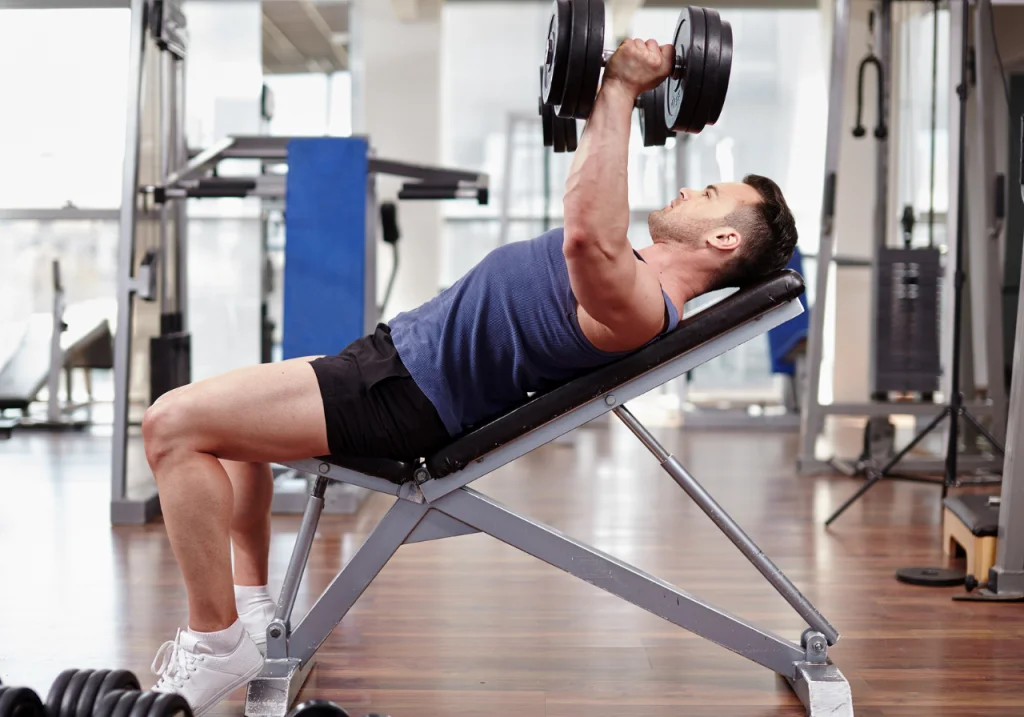
Low Cable Fly
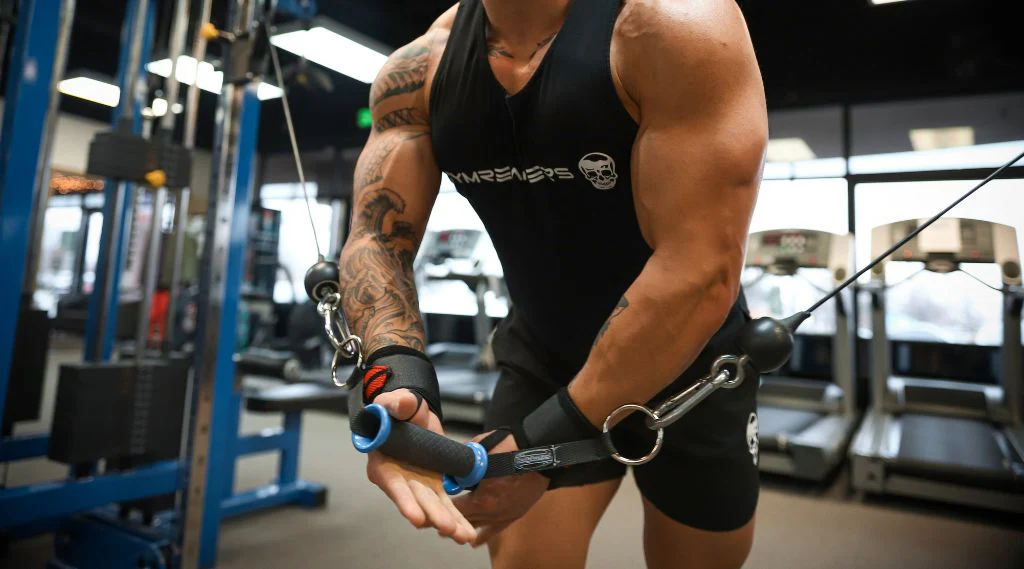
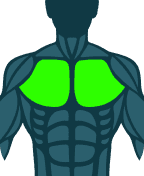
The cable low fly is an isolation exercise that targets the upper and inner chest. It's excellent for defining and adding volume to this area, suitable for all experience levels from beginners to advanced athletes. Its main advantage is the constant tension provided by the cable, which promotes effective muscle growth stimulation.
Primary Equipment
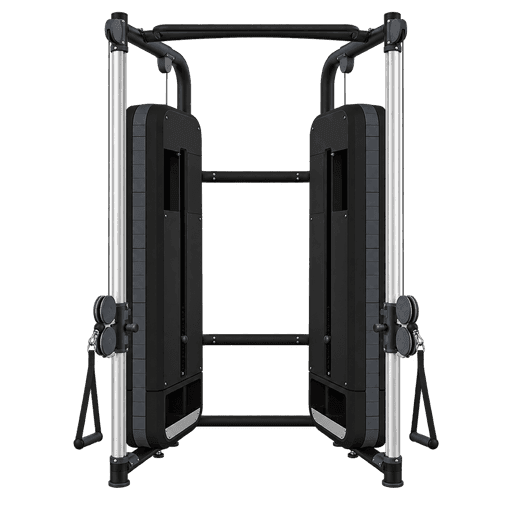 Dual cable pulley machine
Key Benefits
- Effectively isolates the upper and inner chest.
- Provides constant muscle tension throughout the entire movement.
- Improves definition and volume in the pectoral region.
- Allows precise load adjustment for different strength levels.

Instructions
- Position the pulley at the low setting
- Grab one handle with each hand and position yourself in the center of the equipment
- Keep your torso upright and place one foot in front of the other
- Start with your arms extended at torso height and perform the movement diagonally upward
- When your arms meet at chest height, return in a controlled manner
Tips
- Avoid excessively swinging your body forward and backward
- Keep your torso upright with your abdomen and glutes contracted
- Avoid using momentum or sudden movements
Restrictions
Individuals with shoulder, elbow, or wrist injuries should avoid this exercise or perform it with very light loads and under supervision. Beginners should start with low weights to master proper form before increasing intensity. If you experience pain during the movement, stop immediately.
Common Mistakes to Avoid
- Using excessive weight, compromising form and increasing injury risk.
- Performing the movement too quickly, without control or feeling the muscle work.
- Rounding the shoulders forward, overstressing the shoulder joint.
Frequently Asked Questions
-
What muscles do cable low flies work?
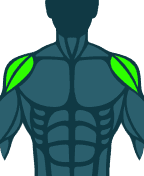
Mainly the upper and inner chest, with some activation of the anterior deltoids.
-
Is cable low fly or incline press better for the upper chest?
Both are effective. Cable low flies offer more isolation, while incline presses allow for heavier loads and recruit more assisting muscles.
-
How many sets and reps should I do for cable low flies?
For hypertrophy, 3-4 sets of 10-15 repetitions are generally effective, focusing on muscle contraction.