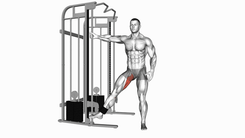
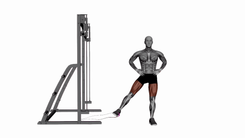
Adductor Machine
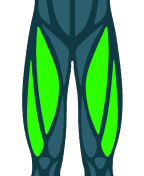
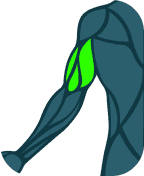
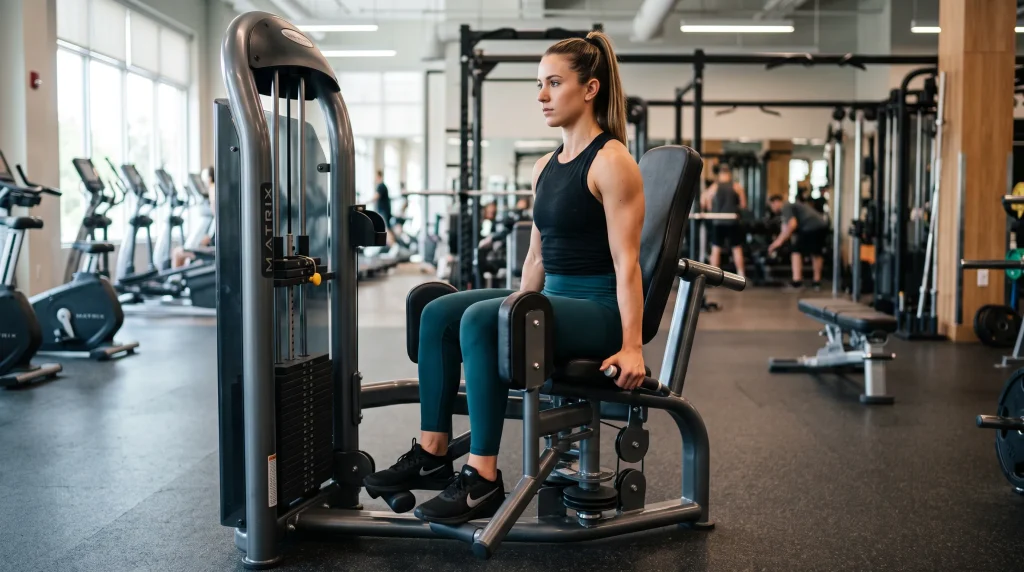
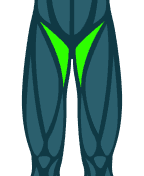
The adduction machine is an isolation exercise that targets the adductor muscles of the inner thigh. It's suitable for both beginners and advanced lifters looking to strengthen this area, improve hip stability, and prevent injuries, complementing compound exercises.
Primary Equipment
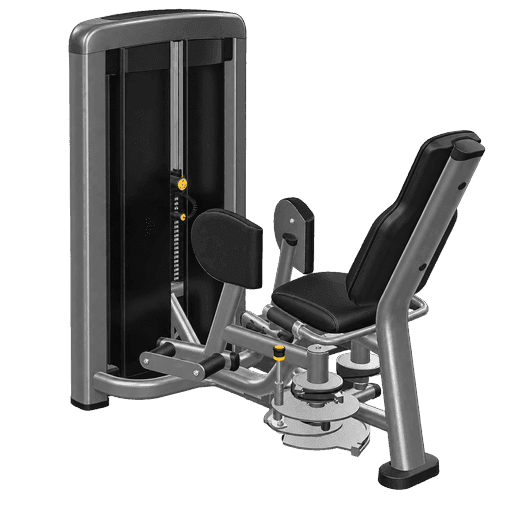 Adduction Machine
Key Benefits
- Strengthens the adductor muscles of the inner thigh, crucial for hip stability.
- Helps prevent groin and knee injuries, common in sports involving changes of direction.
- Contributes to better balance and leg alignment.
- Can be used for rehabilitation and to complement strength training.
Instructions
- Sit on the bench and position your hips and torso against the backrest
- Hold the side supports and stabilize your torso
- Move your knees apart as far as possible
- Perform the movement of opening and closing in a controlled manner
Tips
- Avoid lifting your hips and torso off the backrest
- Avoid pushing your knees further apart than you can comfortably manage
- Avoid using momentum or sudden movements
Restrictions
Individuals with groin pain, hip, or knee issues should consult a professional before use. Avoid if you experience sharp pain during the movement. Start with light weight and controlled range of motion. It is not recommended as the sole exercise for leg strengthening.
Common Mistakes to Avoid
- Using excessive weight, compromising form and increasing injury risk.
- Performing the movement too quickly and uncontrolled, without focusing on muscle contraction.
- Not adjusting the machine correctly to your anatomy, which can cause discomfort.
Frequently Asked Questions
-
What muscles does the adduction machine work?
Mainly the adductor muscles of the thigh, such as the adductor longus, brevis, magnus, pectineus, and gracilis.
-
Is the adduction machine important for runners?
Yes, it strengthens the inner thigh muscles, which aids in hip stability and prevents running-related injuries.
-
How many sets and reps should I do on the adduction machine?
For hypertrophy, 3-4 sets of 8-12 reps. For endurance, 2-3 sets of 15-20 reps. Adjust according to your goal.
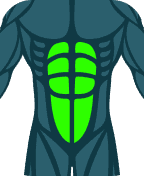
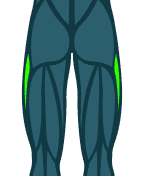
Target Muscle
Primary