Bicycle Crunch
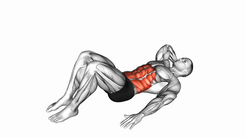
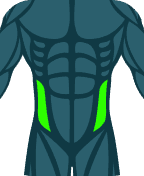
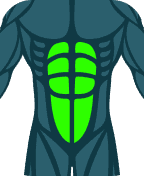
The bicycle crunch combines trunk rotation with alternating leg movement, targeting the front abs and obliques. Because it demands coordination and control, it’s great for core endurance and a more defined waistline. When performed slowly with solid posture, it also helps keep the lower back supported and stable.
Key Benefits
- Targets the abs and obliques for a more defined midsection.
- Improves trunk–leg coordination with controlled rotation.
- Builds core endurance useful for full-body training and sports.
- Prepares you for harder moves like the Alternating Jackknife Crunch.
Instructions
- Lie on the ground with your knees bent and your feet off the floor
- Place your hands behind your head
- Flex and twist your torso in a criss-cross motion
- Try to bring your shoulder closer to your knee, performing the movement alternately
Tips
- Perform the return movement completely, touching your torso to the floor
- Keep your glutes glued to the ground throughout the exercise
- Avoid jerking and abrupt movements
Restrictions
Avoid if you have significant lower-back pain, an acute hernia, or neck discomfort. Older adults, people with obesity, or low core strength can reduce range, keep a foot down between reps, and move slower. If your lower back lifts off the floor, shorten the rotation and prioritize control before adding reps.
Common Mistakes to Avoid
- Pulling on the neck with the hands.
- Moving too fast and ‘pedaling’ without real trunk rotation.
- Letting the lower back lift off the floor, stressing the spine.
Frequently Asked Questions
-
What muscles does the bicycle crunch work?
It targets the rectus abdominis and obliques while challenging overall core stability.
-
Does the bicycle crunch help reveal abs?
It strengthens the core; visible definition also depends on consistency and nutrition.
-
How can I make bicycle crunches easier while keeping good form?
Reduce range, keep a foot down between reps, and go slower while keeping the lower back down.
Target Muscle
Primary