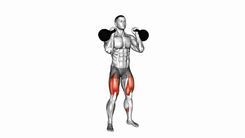
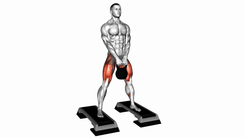
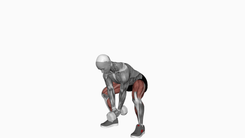
Kettlebell Sumo Squat
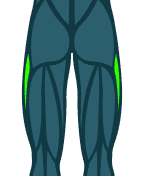
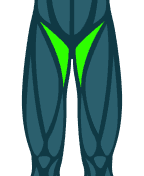
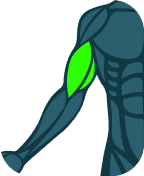
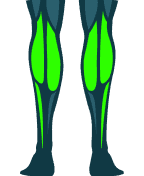
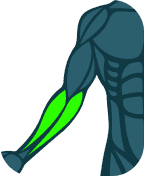
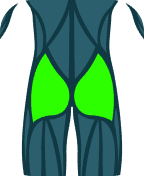
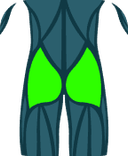
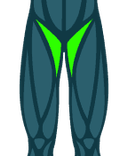
The kettlebell sumo squat is a lower-body strength exercise primarily targeting the inner thigh muscles (adductors), glutes, and hamstrings. It's ideal for those looking to strengthen their inner thighs and glutes, improving hip stability and overall mobility. The wide stance and centralized weight allow for a deep range of motion with less spinal stress.
Primary Equipment
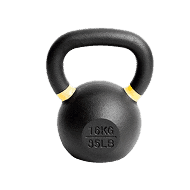 Kettlebell
Key Benefits
- Intensely strengthens the adductors, glutes, and hamstrings.
- Improves hip mobility and inner thigh flexibility.
- Helps develop lower body stability and strength.
- Can be adapted for various fitness levels.

Instructions
- Hold the kettlebell with both hands, arms extended downward
- Keep your torso upright and position your feet apart with your toes slightly pointed outward
- Flex your hips and knees, lean your torso slightly forward, and lower yourself as far as possible while keeping your feet firmly on the floor
- Then, return to the starting position by extending your hips and knees
Tips
- Keep your torso straight and avoid excessive leaning forward
- Avoid letting your knees collapse inward
- Avoid using momentum or sudden movements
Restrictions
Individuals with knee, hip, or lower back pain should exercise caution. If you experience discomfort, reduce the range of motion or opt for a more conventional squat. Pregnant individuals should consult a doctor before performing this exercise. Beginners should start with a light weight to master the form.
Common Mistakes to Avoid
- Rounding the back, placing undue pressure on the spine.
- Allowing the knees to cave inward, which can lead to injury.
- Not squatting deep enough, limiting target muscle activation.
Frequently Asked Questions
-
What muscles do kettlebell sumo squats work?
Primarily the adductors (inner thighs), glutes, and hamstrings.
-
What is the difference between a sumo squat and a traditional squat?
A sumo squat has a wider stance and focuses more on the adductors and glutes, while a traditional squat focuses more on the quadriceps.
-
How can I make the kettlebell sumo squat more challenging?
Increase the kettlebell weight, add pauses at the bottom of the movement, or incorporate pulses.
Target Muscle
Primary