Mountain climbers
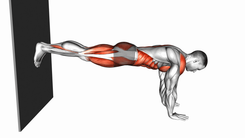
Mountain climbers are a dynamic full-body exercise that simulates climbing, strengthening the core, legs, and shoulders while elevating the heart rate. They are ideal for improving cardiovascular endurance, core stability, and coordination, and are adaptable for various fitness levels.
Key Benefits
- Strengthens the core, including abs and obliques, improving trunk stability.
- Boosts cardiovascular endurance and efficiently burns calories.
- Engages legs, glutes, and shoulders, providing a comprehensive workout.
- Enhances coordination and agility due to the quick, controlled movement.


Instructions
- Start in a plank position, with your hands on the floor aligned with your shoulders.
- Contract the abdomen and keep the abdominal and gluteal muscles firm throughout the movement.
- Start moving one leg at a time, bringing the knee towards the chest as quickly as possible.
Tips
- Keep your torso and shoulders still and perform movements only with the lower limbs.
- Keep your abdomen and glutes contracted and maintain the posture of your torso.
- Avoid impulses and sudden movements.
Restrictions
Avoid if you have acute wrist, shoulder, or lower back pain. Individuals with severe heart conditions or uncontrolled high blood pressure should consult a doctor before performing this exercise. Modify the intensity by slowing down or placing forearms on an elevated surface if you experience discomfort.
Common Mistakes to Avoid
- Letting the hips rise too high or sag too low, breaking body alignment.
- Rounding the lower back, which can cause strain and reduce core activation.
- Moving the feet in an uncontrolled manner, without bringing the knees towards the chest.
Frequently Asked Questions
-
What muscles do mountain climbers work?
Primarily the core (abs and obliques), legs (quads, hamstrings), glutes, and shoulders.
-
Are mountain climbers a cardio or strength exercise?
They are both. They are an excellent cardiovascular exercise that also strengthens the core and leg muscles.
-
How can I make mountain climbers easier or harder?
To make them easier, slow down or place your forearms on a bench. To make them harder, increase speed, use a weighted vest, or add variations like bringing your knee to the opposite elbow.
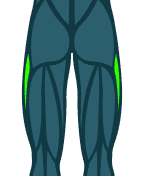
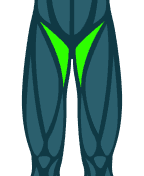
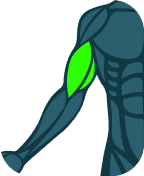
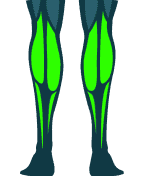
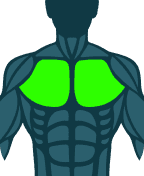
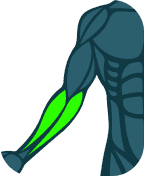
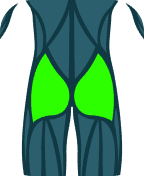
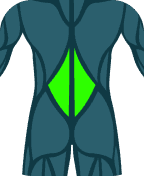
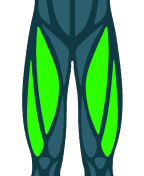
Target Muscle
Primary
Secondary