Seated Flutter Kicks
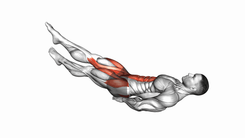
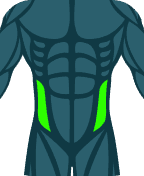
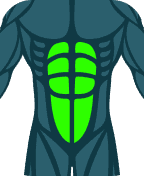
Seated flutter kicks are a core exercise targeting the lower abdominal muscles and obliques. Performed while seated on a bench, it involves alternating up and down leg movements, similar to scissors. It's ideal for strengthening the core and improving trunk stability, adaptable to various fitness levels.
Primary Equipment
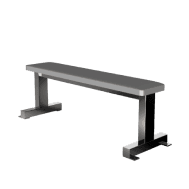 Straight Bench
Key Benefits
- Strengthens lower abdominal muscles and obliques, contributing to a stronger core.
- Improves trunk stability and overall posture, benefiting other physical activities.
- Increases muscular endurance of the core, allowing for greater body control.
- Can be adapted for beginners or advanced individuals by adjusting bench height and range of motion.
Instructions
- Sit on the bench and rest both hands beside your hips
- Slightly extend your torso by leaning it backward
- Lift your feet off the ground and keep your knees extended
- Perform the movement of lifting your lower limbs alternately
Tips
- Avoid excessive movements with your torso
- Avoid lifting your lower limbs excessively
- Avoid jerks and sudden movements
Restrictions
Individuals with lower back pain, hip injuries, or spinal problems should avoid this exercise or perform it with caution under professional guidance. Pregnant women should consult a doctor before attempting. If you experience any discomfort or sharp pain, stop immediately.
Common Mistakes to Avoid
- Arching the lower back, which can cause back pain and reduce exercise effectiveness.
- Moving the legs too quickly, leading to loss of control and muscle activation.
- Not keeping the abs engaged, which reduces core work and increases lower back pressure.
Frequently Asked Questions
-
What muscles do seated flutter kicks work?
Mainly the lower abdominal muscles, obliques, and to a lesser extent, the hip flexors.
-
How can I make seated flutter kicks easier?
Start with your legs closer to the ground, reducing the range of motion, or use a lower bench to decrease tension.
-
What is the difference between seated and floor flutter kicks?
On a bench, the range of motion can be greater, and the seated position might intensify lower abdominal work due to the added stabilization challenge.
Target Muscle
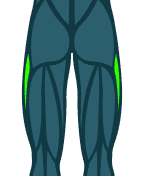
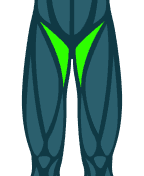
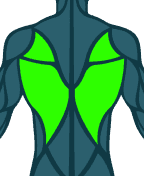
Primary