Side Lunge
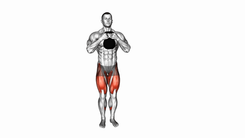
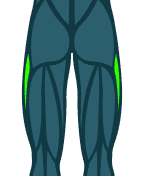
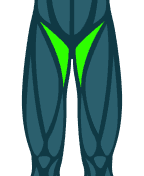
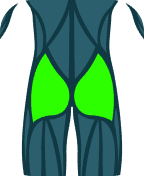
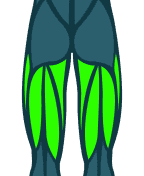
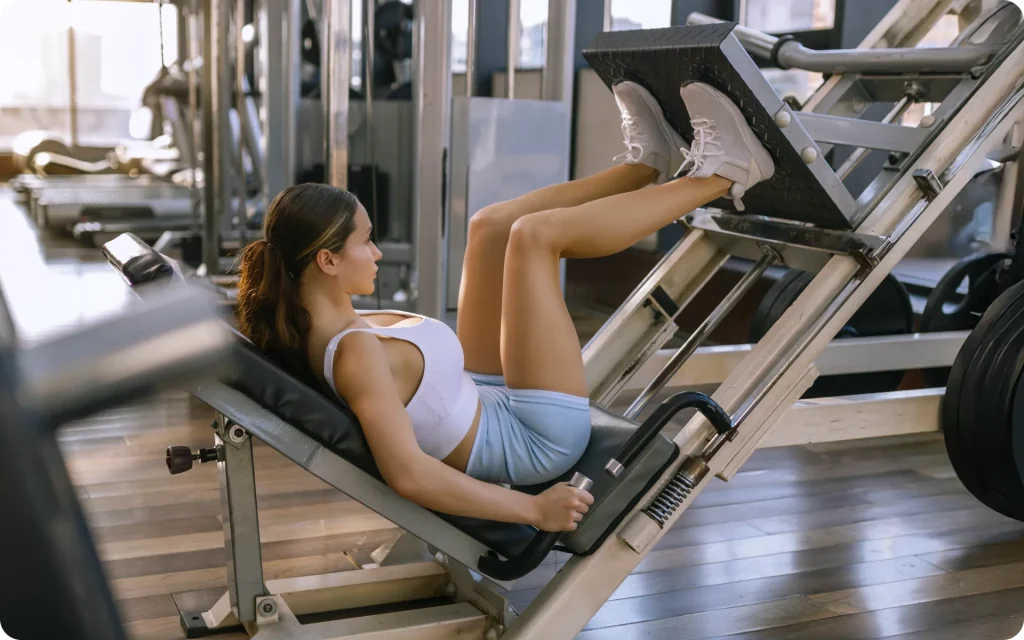
Side lunges are a bodyweight exercise that strengthens the legs and glutes, with a particular focus on the inner and outer thigh muscles. They are suitable for all levels, especially for those looking to improve lateral strength, hip mobility, and stability. This exercise helps develop more functional movement for daily activities and sports.
Key Benefits
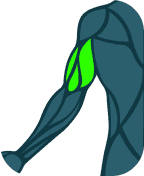
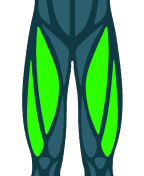
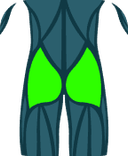
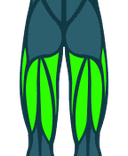
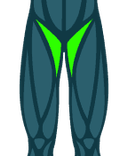
- Strengthens quadriceps, hamstrings, glutes, and adductors, enhancing lateral leg strength.
- Increases hip and groin mobility and flexibility.
- Improves knee and ankle stability, helping prevent injuries.
- Promotes more functional and balanced movement for sports and daily life.
Instructions
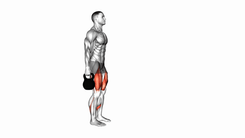
- Initially, keep your torso upright and position your feet comfortably, aligned with your hips or slightly wider
- Step to the side and begin a knee bend as your hips shift backward and your opposite leg stays straight
- Pause, stabilize your entire body
- Engage your glutes, adductors, and quadriceps, and push the ground until you return to the starting position
Tips
- Keep your torso straight and avoid bending forward
- Lower your hips to a range that your joints allow
- Avoid using momentum or making abrupt movements
Restrictions
Avoid this exercise if you experience acute knee, hip, or ankle pain. Individuals with balance issues or groin injuries should start with a reduced range of motion and, if necessary, use a wall or chair for support. Consult a healthcare professional before starting if you have pre-existing medical conditions.
Common Mistakes to Avoid
- Leaning the torso too far forward, straining the spine.
- Not keeping the supporting foot flat on the ground, leading to instability.
- Not descending deep enough, limiting the engagement of thigh and glute muscles.
Frequently Asked Questions
-
What muscles do side lunges work?
Mainly the inner and outer thigh muscles (adductors and abductors), quadriceps, hamstrings, and glutes.
-
Are side lunges good for beginners?
Yes, they can be adapted. Start with a smaller range of motion and focus on form before increasing depth or adding weight.
-
How can I make side lunges more challenging?
Add weight (dumbbells, kettlebell), increase the range of motion, or perform the exercise more slowly and controlled.
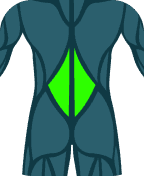
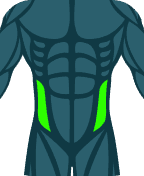
Target Muscle
Primary
Secondary