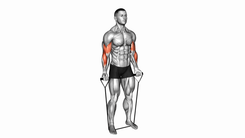
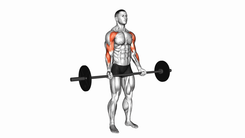
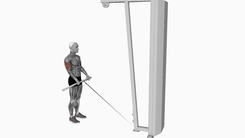
Barbell Reverse Curl
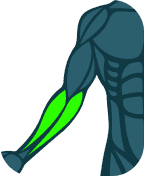
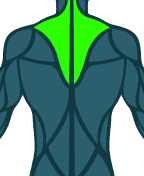
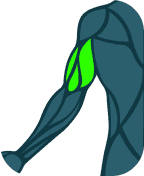
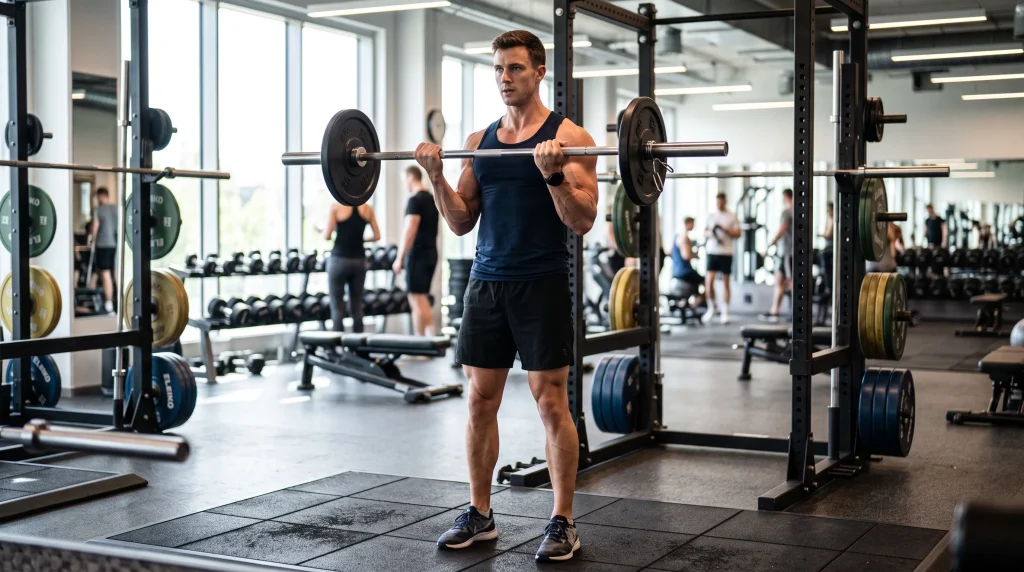
The Reverse Barbell Curl uses a pronated grip (palms down), shifting emphasis from the biceps toward the forearms—especially the brachioradialis. The biceps still work, but this variation is best known for building forearm strength, improving grip endurance, and adding thickness near the elbow for many lifters in pulling-focused routines.
Primary Equipment
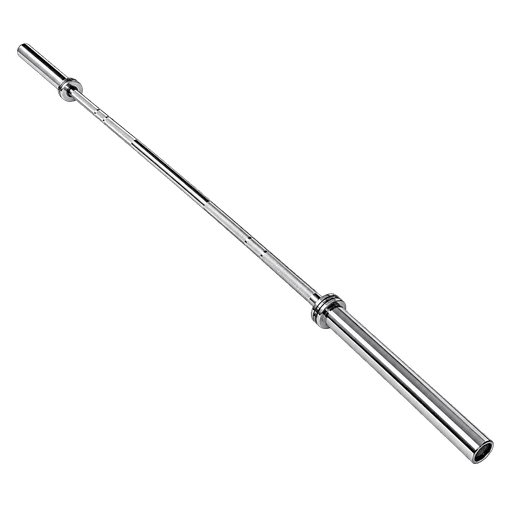 Olympic barbell
Secondary Equipment
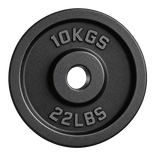 Weight plates
Key Benefits
- Strengthens forearms and improves grip endurance.
- Emphasizes brachioradialis for added arm thickness.
- Balances biceps and forearm development in arm programs.
- Supports pulling performance in rows and deadlifts.
Instructions
- Keep your torso upright
- Keep your elbow aligned with your torso during the movement
- Fully flex your elbow
- Lower your forearm in a controlled manner
Tips
- Do not swing your elbow forward during the movement
- Avoid letting your elbow move in front of your torso
- Do not let your wrist flex
- Do not let your torso move backward
Restrictions
Avoid if you have elbow pain, especially lateral epicondylitis. If wrists are irritated, use lighter loads and keep wrists neutral. Beginners and older adults should avoid torso swing and excessive weight. Stop if you feel sharp forearm pain, tingling, or numbness, and reduce load, range, and volume before returning.
Common Mistakes to Avoid
- Going too heavy and swinging the body.
- Bending the wrists during the curl.
- Dropping the bar fast without control.
Frequently Asked Questions
-
What muscles does the Reverse Barbell Curl work?
It strongly targets the forearms (especially brachioradialis) while still recruiting the biceps.
-
How is a Reverse Curl different from a regular biceps curl?
The palms-down grip shifts emphasis toward the forearms and changes how the biceps contribute.
-
Does the Reverse Barbell Curl improve grip strength?
Yes—stronger forearms help you hold bars longer in rows, deadlifts, and carries.
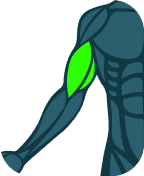
Target Muscle
Primary