Dumbbell Plank Pull-Through
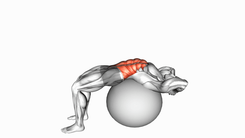
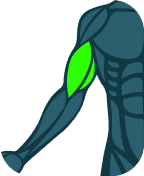
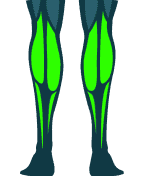
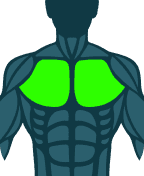
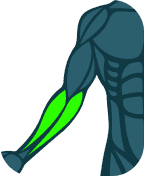
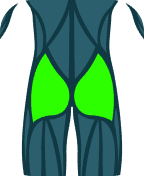
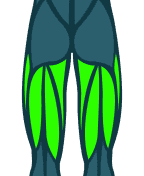
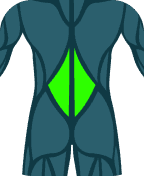
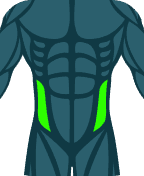
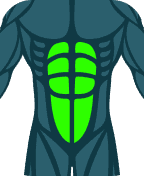
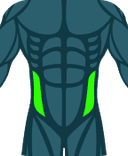
The dumbbell plank pullthrough is a dynamic core exercise that strengthens the abs, obliques, and spinal stabilizers. It also works the shoulders and arms, making it ideal for improving core stability, coordination, and functional strength through an anti-rotational movement.
Primary Equipment
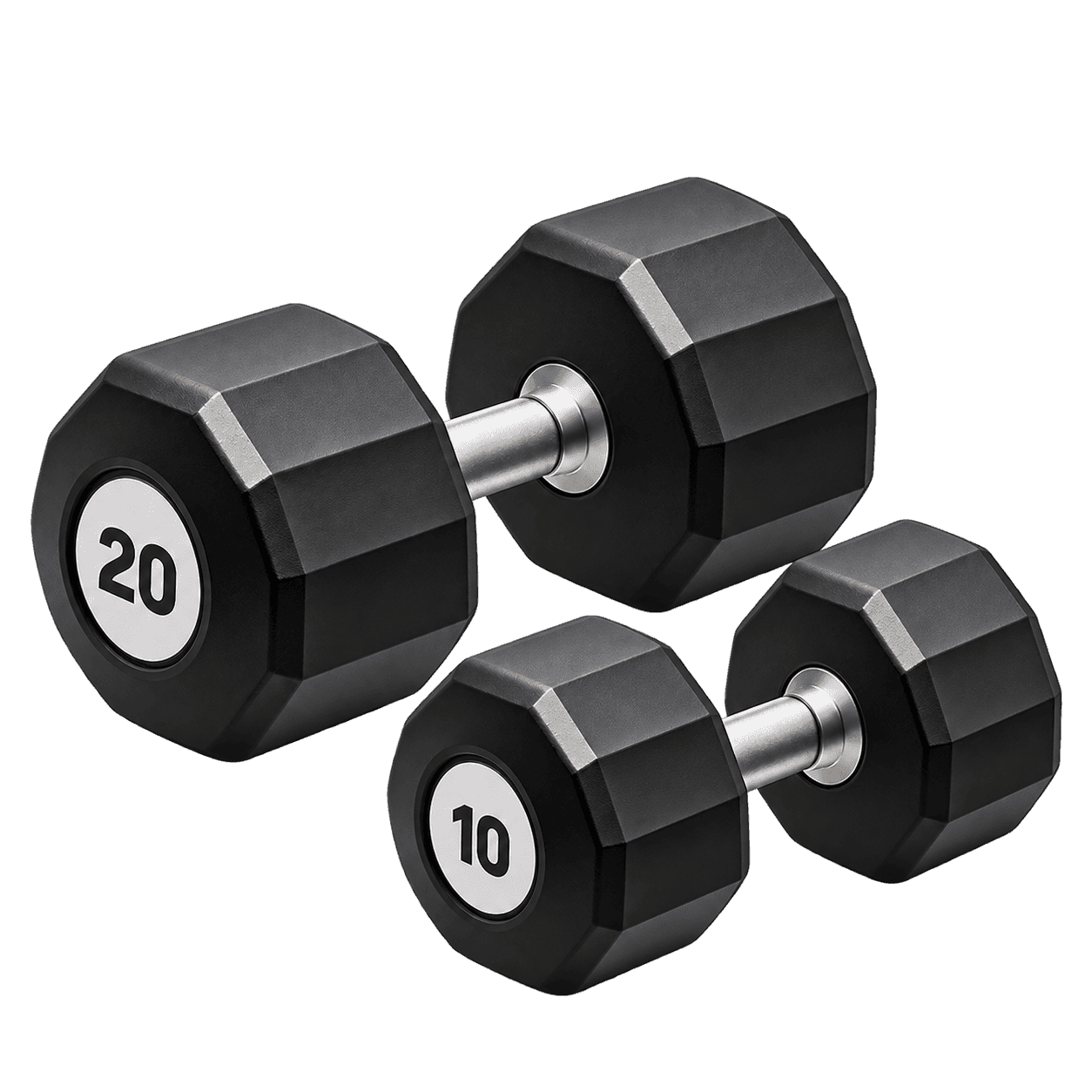 Dumbbells
Key Benefits
- Strengthens the core, including obliques and spinal stabilizers, preventing injuries.
- Improves shoulder stability and arm strength, crucial for other exercises.
- Develops coordination and body control, requiring focus on maintaining posture.
- Increases muscular endurance of the core and upper body.
Instructions
- Position yourself on the floor with knees extended, palms on the ground, and elbows straight and aligned with the shoulders.
- Place your feet apart and in line with your hips.
- Keep your knees, hips, and torso fully aligned and place the dumbbell outside one of your arms.
- Contract your abdomen, glutes, and scapular muscles, grab the dumbbell with the opposite hand and place it on the other side.
- Repeat this movement with the opposite side in a controlled manner.
Tips
- Avoid moving your torso up and down.
- Avoid letting your hips drop.
- Do not place your hands in front of or behind the line of your shoulders.
Restrictions
Avoid if you have acute wrist, shoulder, or lower back pain. Individuals with shoulder instability or herniated discs should consult a professional. Start without the dumbbell to master the high plank form, and if needed, drop to your knees to reduce intensity, focusing on trunk stability.
Common Mistakes to Avoid
- Allowing hips to rotate or sag, losing core stability.
- Rounding the back or piking hips too high, compromising alignment.
- Using a dumbbell that is too heavy, sacrificing form and stability.
Frequently Asked Questions
-
What muscles does the dumbbell plank pullthrough work?
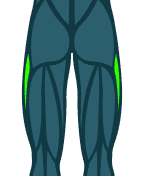
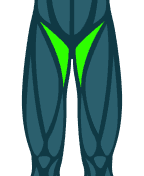
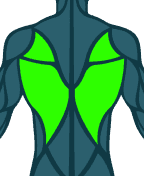
Mainly the core (abs, obliques, spinal erectors), shoulders, and arms.
-
What is the difference between a traditional plank and this variation?
This variation adds a dumbbell pulling motion, increasing the anti-rotational stability challenge and further engaging the shoulders and arms.
-
How can I make this exercise easier?
Start with a high plank without the dumbbell. When adding the dumbbell, use a light weight, and if necessary, drop to your knees to maintain trunk stability.
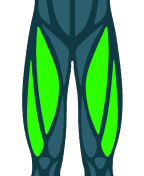
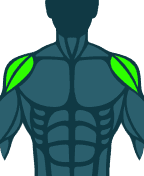
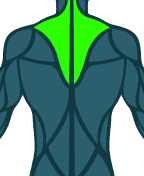
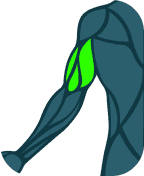
Target Muscle
Primary
Secondary