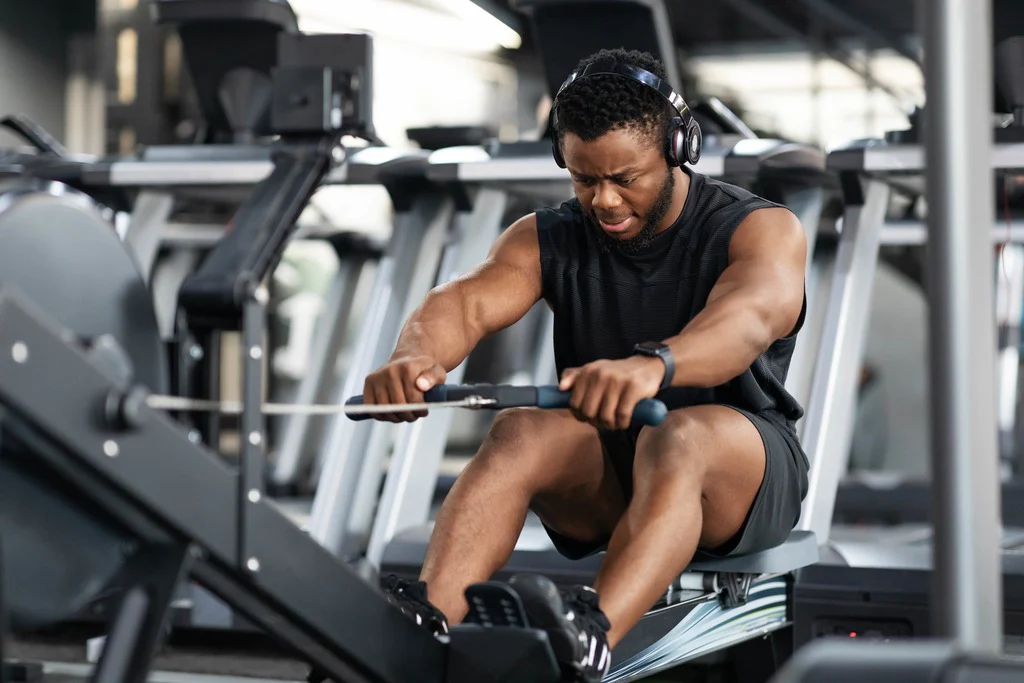
Lying T-bar Row
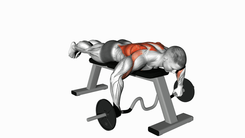
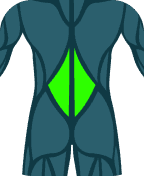
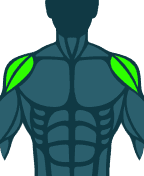
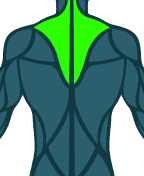
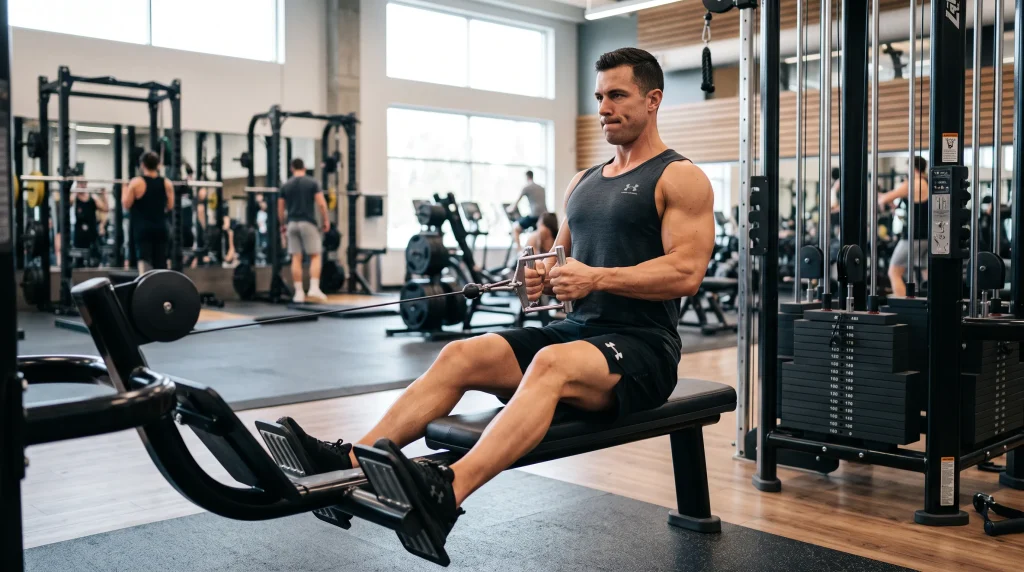
The Chest-Supported T-Bar Row is performed with your chest on an incline pad while pulling the bar toward your torso. The support reduces lower-back demand and makes it easier to target the mid-back for thickness and strength with solid control. It’s a great way to row heavier while maintaining posture, improving scapular stability, and building a dense “back look” over time.
Primary Equipment
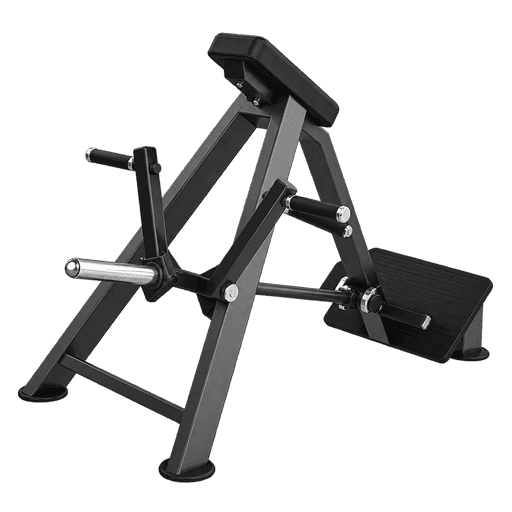 T- Bar Row
Key Benefits
- Builds mid-back thickness for a stronger, fuller back appearance.
- Chest support reduces lower-back strain and helps keep form strict.
- Improves scapular control and shoulder stability for better posture.
- Prepares you for Bent-Over Rows (pronated grip).
Instructions
- Lie face down.
- Hold the support by positioning your hands at shoulder width.
- Keep your back straight, without bending.
- Perform the movement by pulling the support upwards until it approaches the bench.
- Return in a controlled manner.
Tips
- Avoid removing your body from the support of the bench.
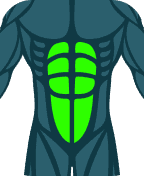
- Keep your abdomen and glutes contracted.
- Avoid impulses and sudden movements.
Restrictions
Avoid if rowing causes shoulder pain or you have a recent rotator cuff injury. Limited mobility? Use moderate loads and avoid excessive elbow flare. If the chest pad feels uncomfortable, adjust position and setup. Those with neck pain should keep a neutral head and avoid looking up during reps. If pain radiates or tingling appears, reduce load and get assessed.
Common Mistakes to Avoid
- Yanking the weight and losing control on the return.
- Cranking the head up and straining the neck.
- Flaring elbows too wide and losing back focus.
Frequently Asked Questions
-
What muscles does the Chest-Supported T-Bar Row work?
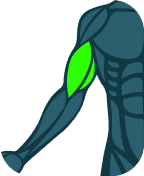
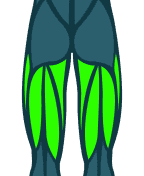
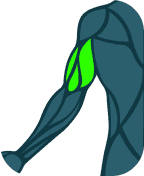
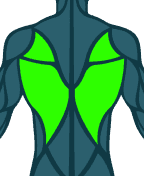
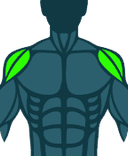
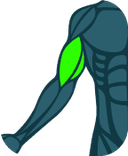
It targets the mid-back and lats, with biceps assisting the pull.
-
Why is a chest-supported row easier on the lower back?
The pad supports your torso, so you don’t have to hold a long bent-over position.
-
How can I feel my back more on chest-supported T-bar rows?
Lead with elbows, keep the chest on the pad, and pause briefly at peak contraction.