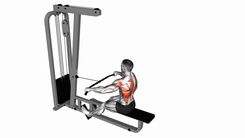
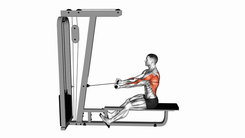
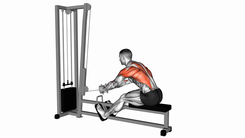
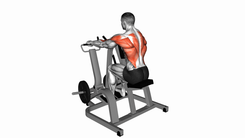
Lever Seated Row
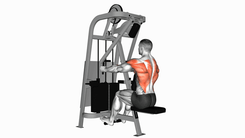
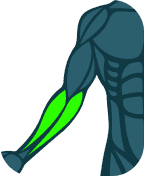
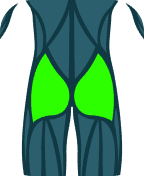
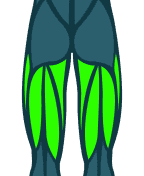
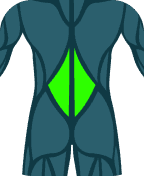
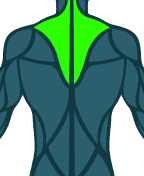
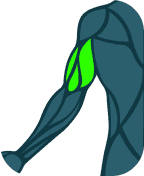
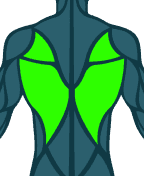
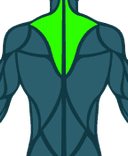
The Lever Seated Row is a strength exercise for the back that targets the upper and mid-back muscles, especially the latissimus dorsi and rhomboids. It is suitable for all fitness levels, providing a controlled movement to improve posture and pulling strength.
Primary Equipment
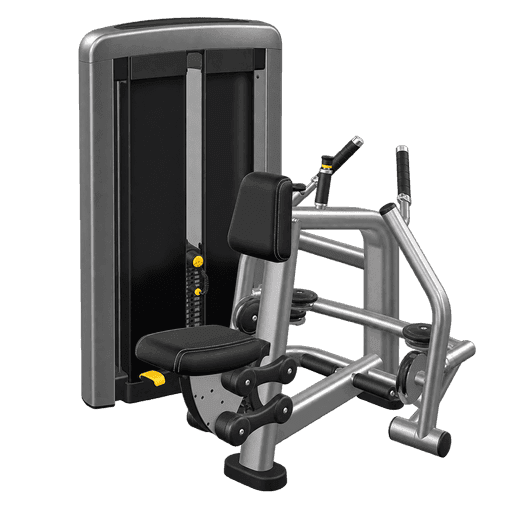 Seated Row Machine
Secondary Equipment
Key Benefits
- Strengthens back muscles, particularly the latissimus dorsi and rhomboids.
- Helps improve posture and spinal stability.
- Allows for a controlled and safe movement, ideal for beginners and advanced lifters.
- Contributes to the development of a stronger and more balanced torso.
Instructions
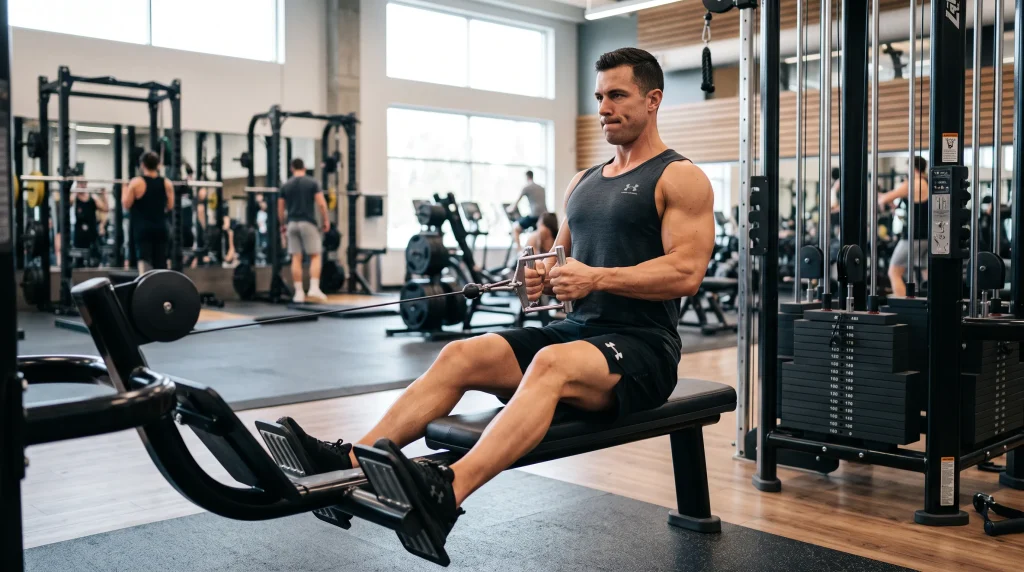
- Adjust the bench so that, when sitting, the handles are at chest height and the backrest keeps your spine aligned.
- Sit on the bench with your chest supported on the backrest (if available) and your feet firmly on the floor or on the supports.
- Hold the machine's side handles with a pronated grip (palms facing down) and hands wider than shoulder width.
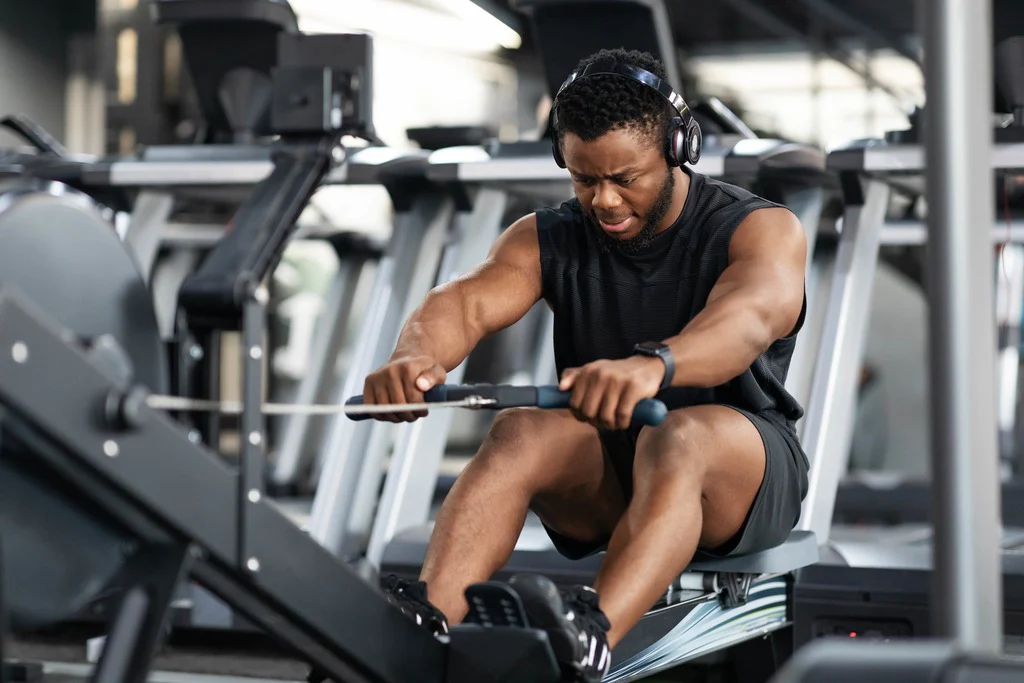
- Pull the handles back, opening the elbows laterally (in line with the shoulders).
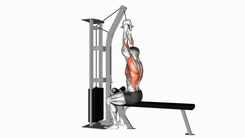
- Slowly return your arms to the starting position and repeat.
Tips
- Avoid bending or overextending the lower back and keep the torso stable.
- Do not bring your elbows too far back to avoid straining your shoulders.
- Focus on pulling with your back, not just with your arms.
Restrictions
Avoid this exercise if you experience acute pain in your spine, shoulders, or elbows. Individuals with pre-existing injuries should consult a professional. If you feel discomfort, reduce the load or range of motion. Always maintain a neutral spine to protect your lower back.
Common Mistakes to Avoid
- Pulling with the arms instead of engaging the back muscles.
- Rounding the back or excessively arching the lower back during the movement.
- Using an excessive load that compromises form and control.
Frequently Asked Questions
-
What muscles do Lever Seated Rows work?
Mainly the upper and mid-back muscles, such as the latissimus dorsi and rhomboids.
-
Are Lever Seated Rows safe for beginners?
Yes, it is a safe and controlled exercise that allows for easy adjustment of load and technique.
-
What is the difference between pronated and supinated grip in rowing?
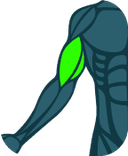
A pronated grip (palms down) generally targets the width of the back more, while a supinated grip (palms up) tends to activate the biceps and lower lats more.