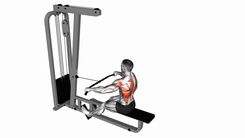
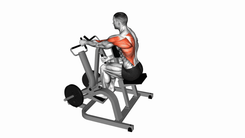
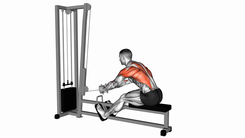
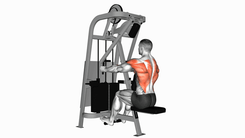
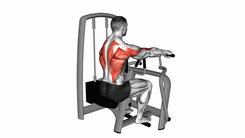
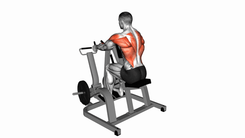
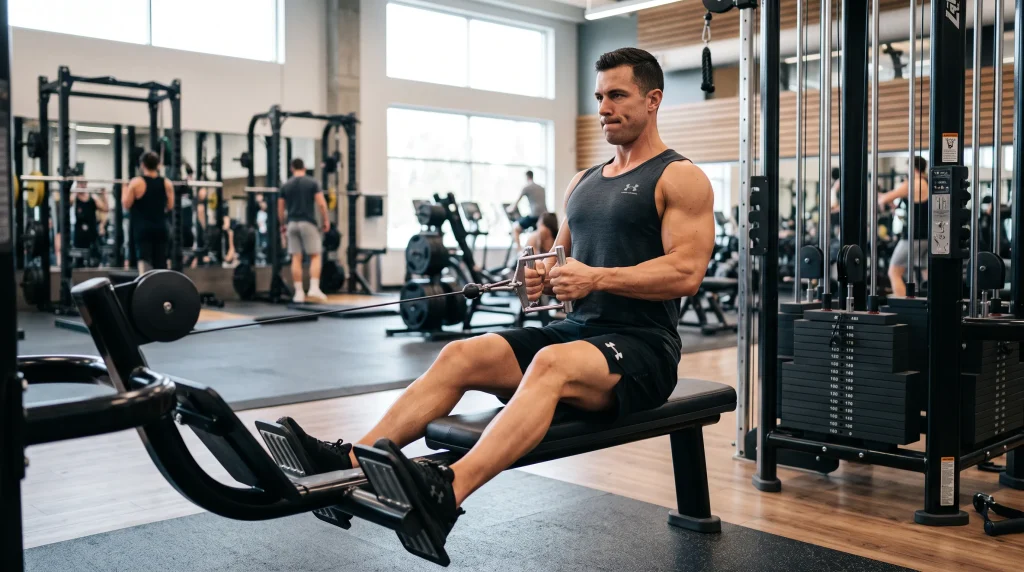
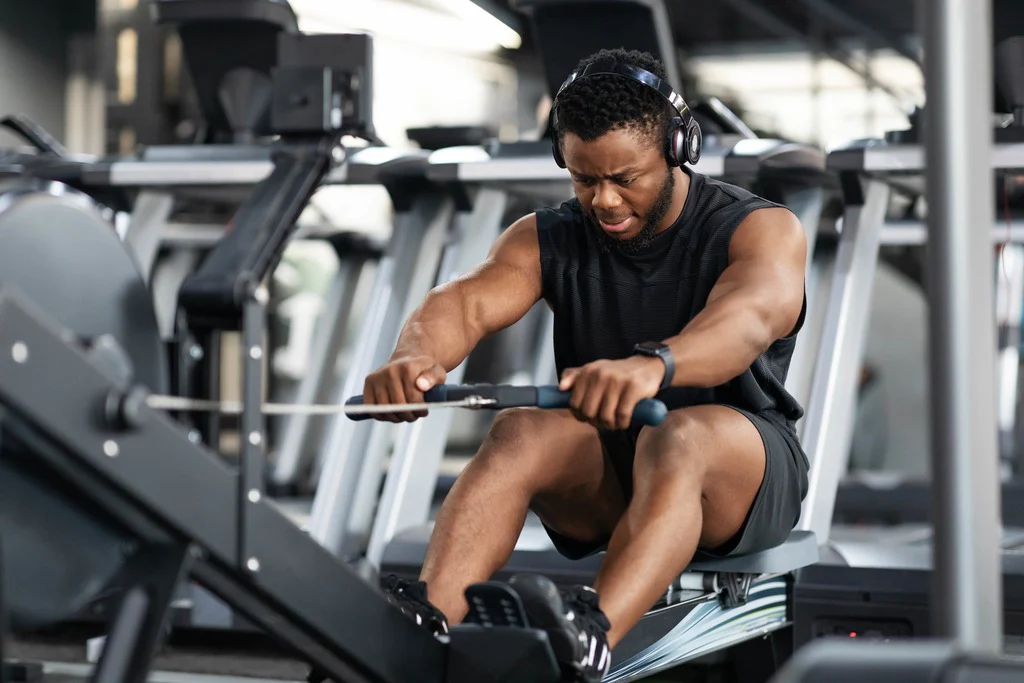
Seated Cable row (supine grip)
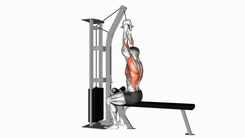
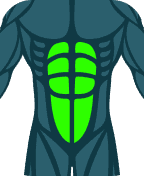
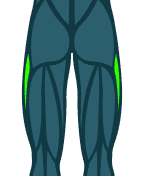
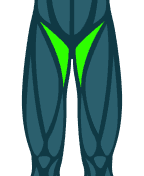
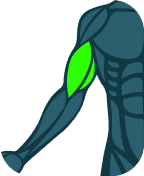
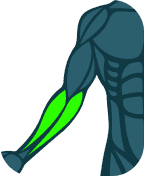
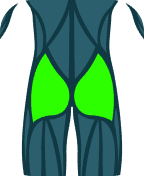
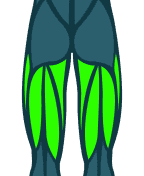
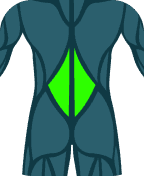
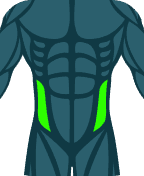
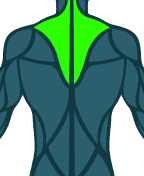
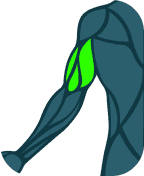
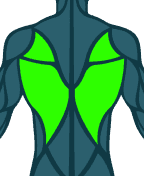
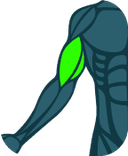
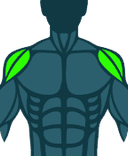
The seated supine grip row is an exercise that primarily targets the back muscles, focusing on the mid and lower back, as well as the biceps and forearms. It's ideal for those looking to improve posture, strengthen the upper body, and vary their training stimulus compared to the traditional pronated grip. It helps develop a stronger, more balanced torso.
Primary Equipment
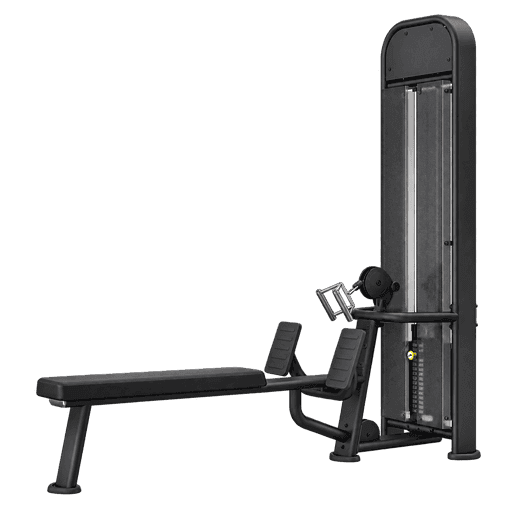 Cable row machine
Key Benefits
- Strengthens back muscles, especially the latissimus dorsi and rhomboids.
- Intensely activates the biceps, contributing to arm development.
- Improves posture by strengthening the muscles that pull the shoulders back.
- Offers a grip variation that can be more comfortable for some wrists and shoulders.
Instructions
- Sit on the bench with your feet positioned on the support
- Hold the bar with your arms extended forward and palms facing up
- Keep your torso upright and your abdomen engaged
- Perform the movement by pulling the bar until it approaches your abdomen
- Return in a controlled manner
Tips
- Avoid swinging your body forward and backward
- Keep your hips fixed on the bench
- Avoid using momentum or making abrupt movements
Restrictions
Individuals with shoulder, elbow, or wrist injuries should consult a professional before performing this exercise. If you experience lower back pain, check your torso alignment and avoid excessive arching of the back. Beginners should start with light loads to master proper form before increasing weight.
Common Mistakes to Avoid
- Swinging the torso to use momentum instead of muscle strength.
- Shrugging the shoulders towards the ears, tensing the neck.
- Not fully extending the arms during the eccentric phase, limiting muscle stretch.
Frequently Asked Questions
-
Is the seated supine grip row better than the pronated grip?
Not necessarily better, but different. The supine grip tends to activate the biceps and the lower portion of the latissimus dorsi more, while the pronated grip focuses more on the upper back and forearms. Both are useful.
-
What is the ideal hand distance on the bar?
A grip close to shoulder-width is generally the most effective and comfortable for most people, allowing good activation of the back and biceps.
-
How can I avoid back pain during the exercise?
Keep your core braced and your spine neutral. Avoid excessive lower back arching or rounding of the back. The force should come from your back muscles, not from torso momentum.