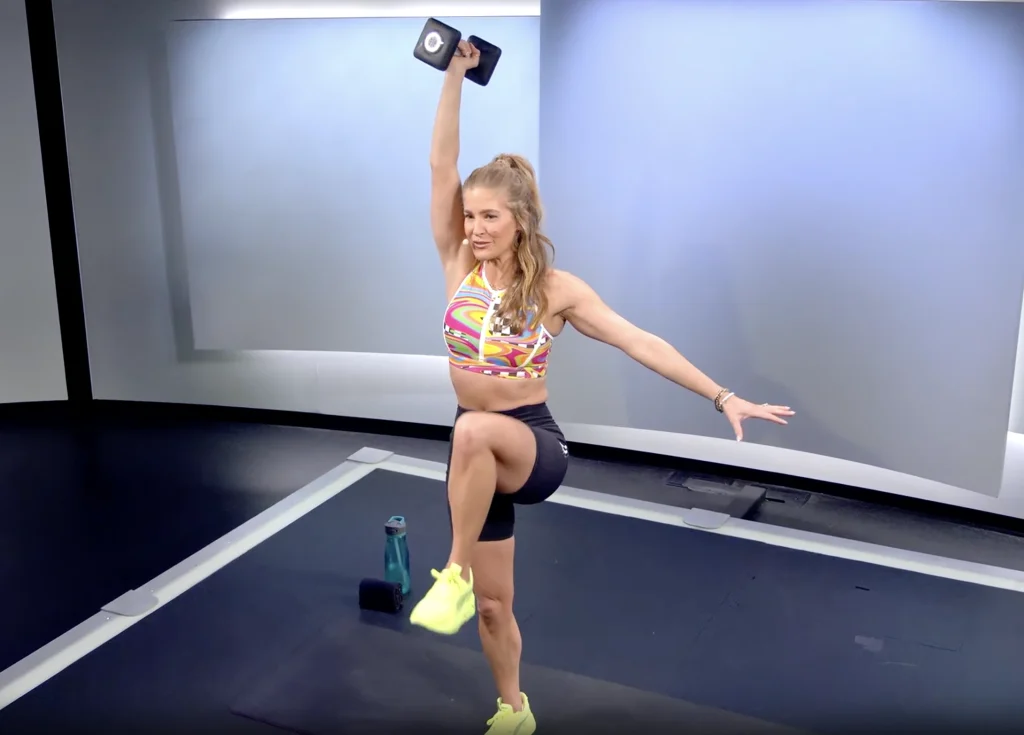
Machine Crunch
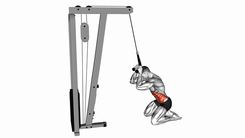
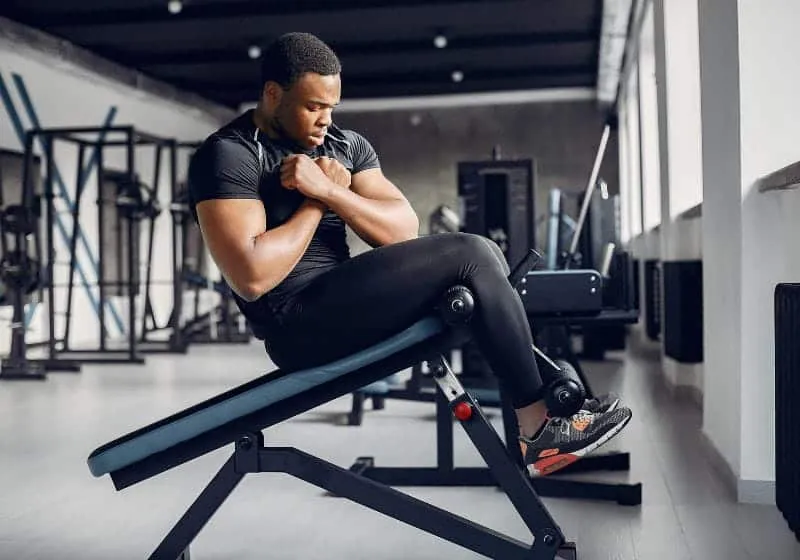
The machine crunch is a guided abdominal exercise that lets you adjust resistance and train the abs with more control. The fixed path reduces cheating and supports progressive overload for core strength. It’s often used for ab hypertrophy and for adding intensity beyond bodyweight training while keeping posture and tempo consistent.
Primary Equipment
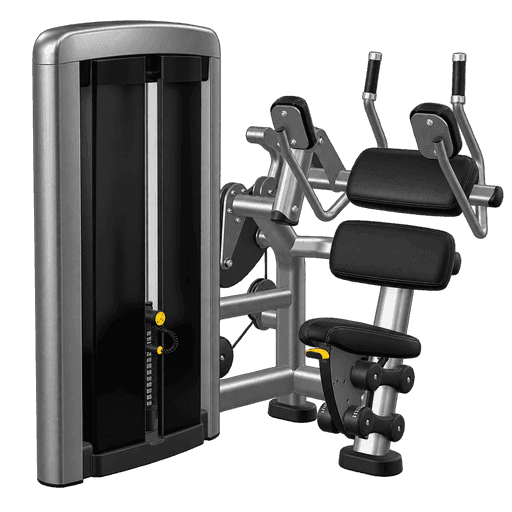 Abdominal Machine
Key Benefits
- Allows adjustable load for stronger, more defined abs.
- The guided path supports consistent form and reduces cheating.
- Enables progressive overload that carries over to full-body training performance.
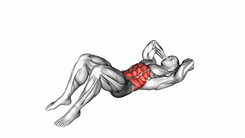
- Complements floor work like the Floor Crunch.
Instructions
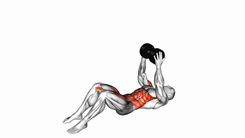
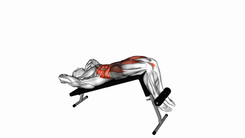
- Sit on the bench and position your hips and torso against the support
- Hold the support above your head
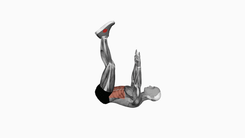
- Keep your legs stationary throughout the movement
- Perform the movement by contracting your abdomen and flexing your torso
Tips
- Avoid lifting your hips and torso off the backrest of the bench
- Avoid moving your knees and legs upward
- Avoid jerking and abrupt movements
Restrictions
Avoid very heavy loads if you have lower-back pain, an abdominal hernia, or neck discomfort. People with obesity or limited mobility should adjust the seat for a comfortable posture and safe range. Beginners and older adults should use moderate resistance and avoid pulling with the neck; if the lower back complains, reduce range and focus on control.
Common Mistakes to Avoid
- Going too heavy and losing control at the end of the rep.
- Pulling the head forward instead of flexing through the abs.
- Using short, fast reps without a real contraction.
Frequently Asked Questions
-
Is the machine crunch better than floor crunches?
It lets you add load and progress; floor crunches build control. Combining both usually works best.
-
Does the machine crunch help reveal abs?
It strengthens and can build ab muscle, but visible definition also depends on body fat and nutrition.
-
How should I set up the machine crunch for safe form?
Adjust the seat to keep the lower back supported and the range comfortable; use moderate load and don’t pull with the neck.
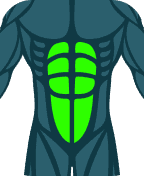
Target Muscle
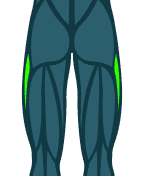
Primary