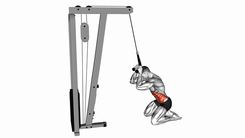
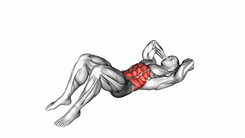
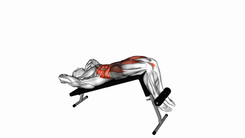
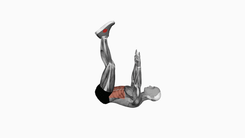
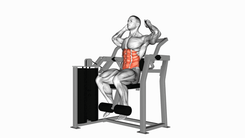
Over head weight sit up
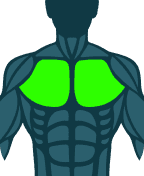
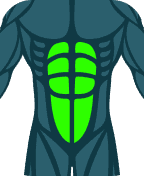
The overhead weight sit-up is an exercise that strengthens the abdominal muscles, especially the rectus abdominis. It adds resistance to the trunk flexion movement, making it ideal for those looking to intensify their core training and develop more strength and definition in the abdominal region.
Primary Equipment
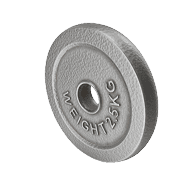 Weight plate
Key Benefits
- Strengthens the rectus abdominis, contributing to a more defined abdomen.
- Increases the intensity of the traditional sit-up exercise.
- Improves core strength, essential for stability and posture.
- Can be adapted with different weights, allowing for gradual progression.
Instructions
- Lie on the floor with your knees extended
- Place your arms extended above your head, holding the weight plate with both hands
- Perform a full trunk flexion movement, bringing your chest closer to your knees
- Keep your torso upright and the weight plate above your head
Tips
- Keep your hips fixed on the floor
- Avoid excessive movements with your lower back
- Avoid jerks and sudden movements
Restrictions
Avoid this exercise if you have lower back or neck pain, as the overhead weight can increase tension in these areas. Individuals with herniated discs or spinal problems should consult a healthcare professional before performing. Beginners should master the regular sit-up without weight before adding load.
Common Mistakes to Avoid
- Using excessive weight that compromises form and strains the neck or lower back.
- Pulling the neck with the hands instead of using abdominal strength to lift.
- Performing the movement quickly and uncontrolled, without proper core activation.
Frequently Asked Questions
-
What muscles do overhead weight sit-ups work?
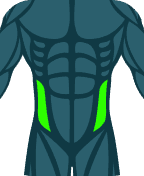
Mainly the rectus abdominis, with some activation of the obliques and hip flexors.
-
What is the ideal weight to start with for overhead weight sit-ups?
Start with a light weight (2-5 lbs) to focus on technique and gradually increase as your strength improves.
-
How can I avoid neck pain when doing overhead weight sit-ups?
Keep your gaze fixed on the ceiling and use your abdominal strength to lift, avoiding pulling your head forward.
Target Muscle
Primary