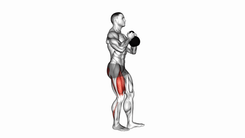
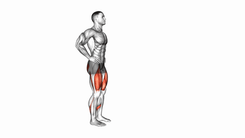
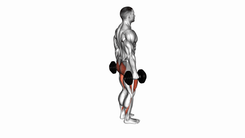
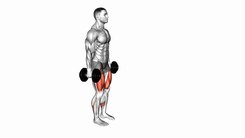
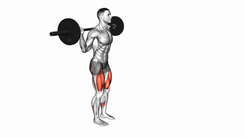
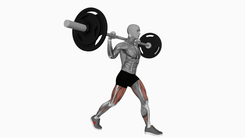
Alternating Reverse Lunge
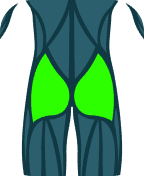
The bodyweight rear lunge is a bodyweight exercise that targets the legs and glutes, improving strength, balance, and coordination. It's a fundamental movement for daily functionality and can be adapted for all fitness levels. Ideal for building unilateral stability and leg strength.
Key Benefits
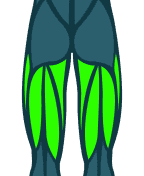
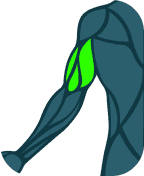
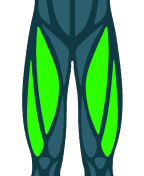
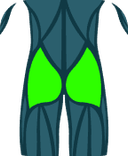
- Strengthens leg muscles, including quadriceps, hamstrings, and glutes.
- Improves balance and coordination, essential for daily mobility.
- Helps correct muscular imbalances between the legs.
- Can be performed anywhere, requiring no equipment.
Instructions
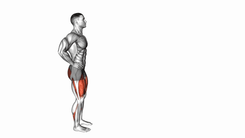
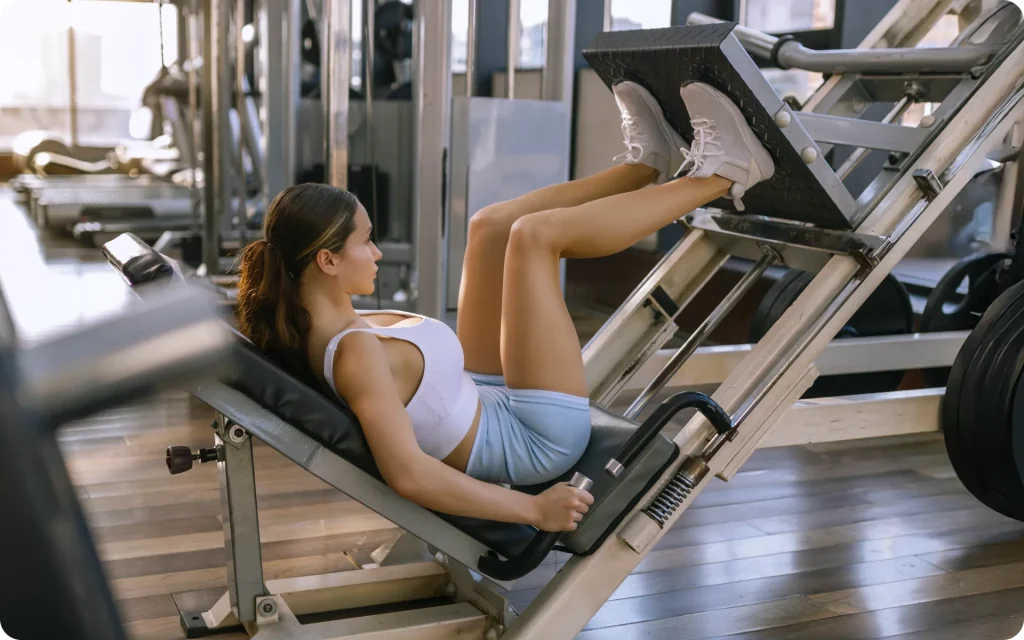
- Stand upright with your hands on your hips
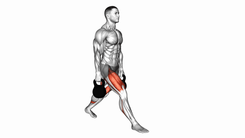
- Step one leg backward and then flex your hips and knees, lowering as far as possible while keeping your front foot firmly on the floor
- Then, return to the starting position by extending your hips and knees and aligning your feet side by side
Tips
- Keep your torso upright and avoid leaning forward
- Avoid letting your front knee collapse inward; maintain alignment with your hip
- Avoid using momentum or sudden movements
Restrictions
Individuals with severe knee or ankle issues should consult a healthcare professional before performing this exercise. If you experience sharp pain during the movement, stop immediately. Beginners or those with balance issues can start by using support (wall or chair) and reducing the depth of the lunge.
Common Mistakes to Avoid
- Leaning the torso too far forward, placing unnecessary strain on the lower back.
- Not lowering the rear knee enough, limiting muscle activation.
- Allowing the front knee to extend past the ankle, increasing the risk of knee injury.
Frequently Asked Questions
-
What muscles do bodyweight rear lunges work?
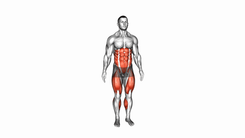
Mainly the quadriceps, hamstrings, and glutes, with core activation for stabilization.
-
What's the difference between a rear lunge and a forward lunge?
In a rear lunge, you step backward, which often requires less balance and places less stress on the front knee. In a forward lunge, you step forward.
-
How can I make bodyweight rear lunges more challenging?
You can hold dumbbells, increase the depth of the movement, or perform the exercise more slowly and controlled.
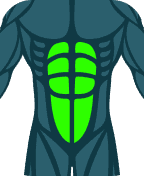
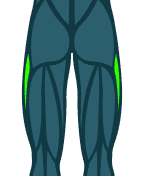
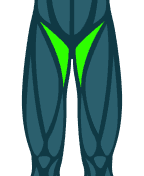
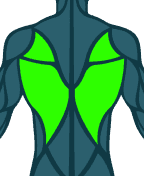
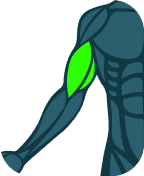
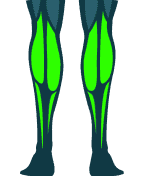
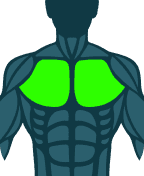
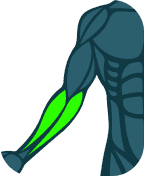
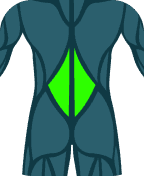
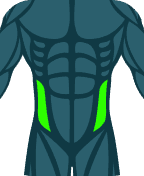
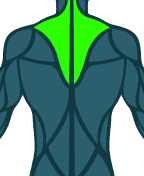
Target Muscle
Primary
Secondary