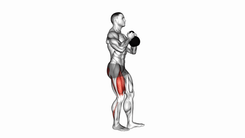
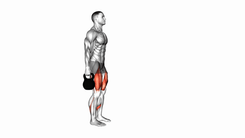
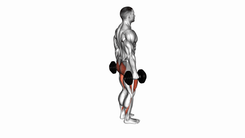
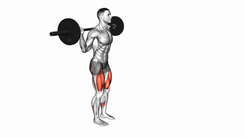
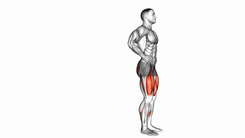
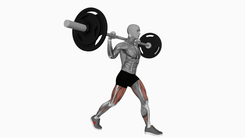
Dumbbell Lunge
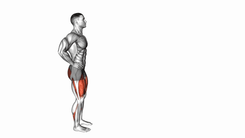
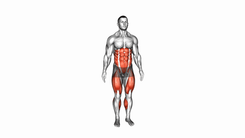
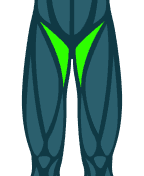
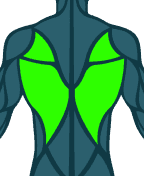
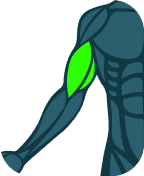
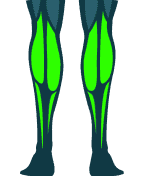
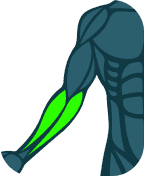
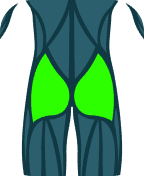
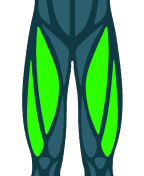
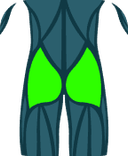
Dumbbell lunges on the spot are a unilateral leg exercise targeting the quadriceps, hamstrings, and glutes, while challenging balance and core stability. They are suitable for all fitness levels, helping to correct muscular imbalances and improve functional strength for daily activities.
Primary Equipment
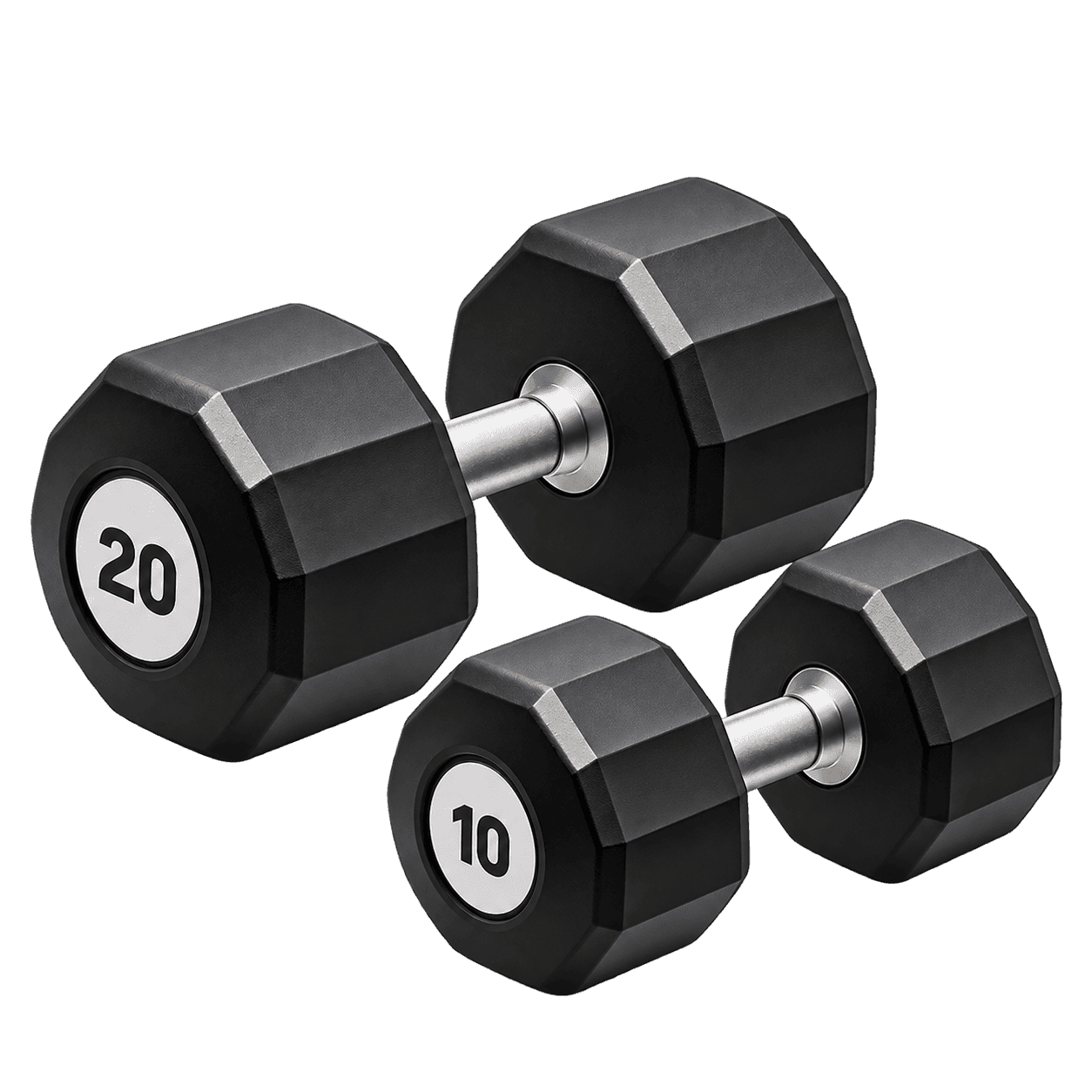 Dumbbells
Key Benefits
- Strengthens quadriceps, hamstrings, and glutes unilaterally, correcting asymmetries.
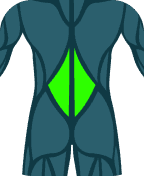
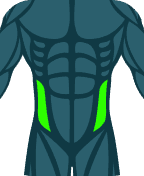
- Improves balance and core stability, essential for functional movements.
- Enhances coordination and proprioception, helping to prevent injuries.
- Prepares the legs for more complex and dynamic movements.
Instructions
- Hold the dumbbells at shoulder height and alongside your hips
- Keep your torso upright and position your feet side by side
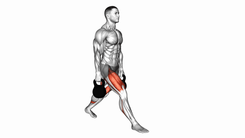
- Step one leg forward, then flex your hips and knees, lowering as far as possible while keeping your front foot firmly on the floor
- Then, return to the starting position by extending your hips and knees and aligning your feet side by side
Tips
- Keep your torso straight and avoid leaning forward
- Avoid letting your front knee collapse inward; maintain alignment with your hip
- Avoid using momentum or sudden movements
Restrictions
Individuals with severe knee or ankle issues should exercise caution or avoid this movement. If you have knee instability, start without weight and focus on form. Those with balance problems can use a support or perform the exercise near a wall.
Common Mistakes to Avoid
- Leaning the torso too far forward, straining the spine.
- Not lowering the back knee enough, limiting the range of motion.
- Allowing the front knee to go past the toes, increasing the risk of knee injury.
Frequently Asked Questions
-
What muscles do dumbbell lunges on the spot work?
Mainly the quadriceps, hamstrings, and glutes, along with core activation for stability.
-
Are dumbbell lunges on the spot safe for the knees?
Yes, if performed with correct technique, keeping the knee aligned with the ankle and not extending past the toes.
-
What is the difference between a lunge and a split squat?
In a lunge, you step forward and return to the starting position. In a split squat, one leg remains forward and the other back, alternating the descent.
Target Muscle
Primary
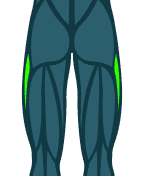
Secondary