Bodyweight Squat
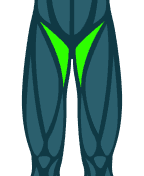
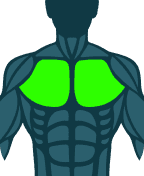
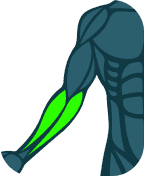
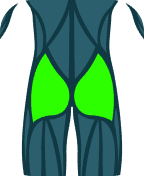
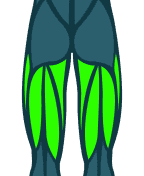
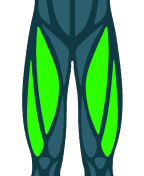
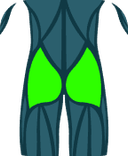
The Bodyweight Squat is a foundational movement where you bend hips and knees, sit down and back, and keep the chest up with a neutral spine. It targets the quads and glutes while improving mobility and control. Because it’s simple and scalable, it’s a cornerstone for beginners and a base for progressing to loaded squat variations.
Key Benefits
- Builds foundational leg and glute strength with low equipment needs.
- Improves hip, knee, and ankle mobility over time.
- Teaches proper squat mechanics for any training style.
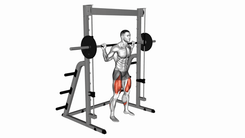
- Prepares for the Barbell Back Squat.
Instructions
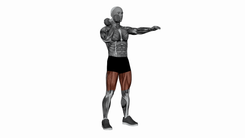
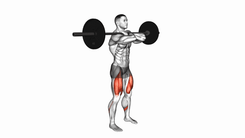
- Keep your arms extended forward at shoulder height and look straight ahead
- Initially, keep your torso upright and your feet in a comfortable position, aligned with your hips or slightly wider
- In a controlled manner, bend your hips and knees and lower yourself as far as possible while keeping your feet planted on the ground
- Then, return to the starting position by extending your hips and knees
Tips
- Keep your torso straight and avoid bending forward
- Keep your feet fully on the ground throughout the movement
- Avoid using momentum or making abrupt movements
Restrictions
With knee pain, limit depth and keep knees tracking over toes. Limited ankle mobility may require a smaller range or slight heel elevation. If you have low-back pain, brace the core and avoid rounding at the bottom. With obesity, a slightly wider stance can improve stability and comfort.
Common Mistakes to Avoid
- Letting knees cave inward.
- Lifting heels and losing foot stability.
- Rounding the lower back at the bottom.
Frequently Asked Questions
-
Is the Bodyweight Squat good for beginners?
Yes—it’s one of the safest ways to learn proper squat mechanics.
2. How deep should I go on a Bodyweight Squat?
As deep as you can control without pain or loss of alignment; depth improves with mobility.
3. How do I progress from Bodyweight Squats to loaded squats?
Build control first, then progress to Goblet Squats and eventually Barbell Squats.
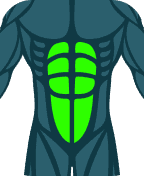
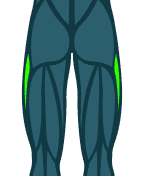
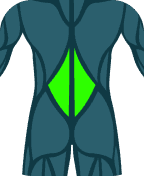
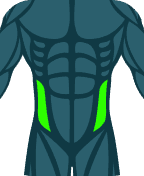
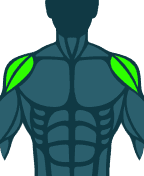
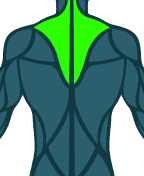
Target Muscle
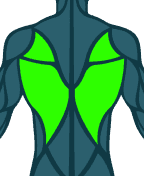
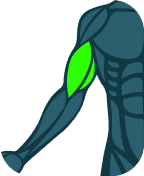
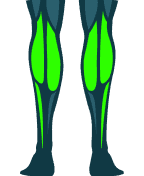
Primary
Secondary