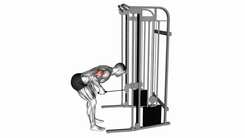
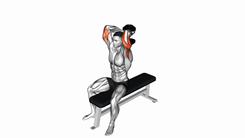
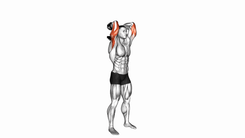
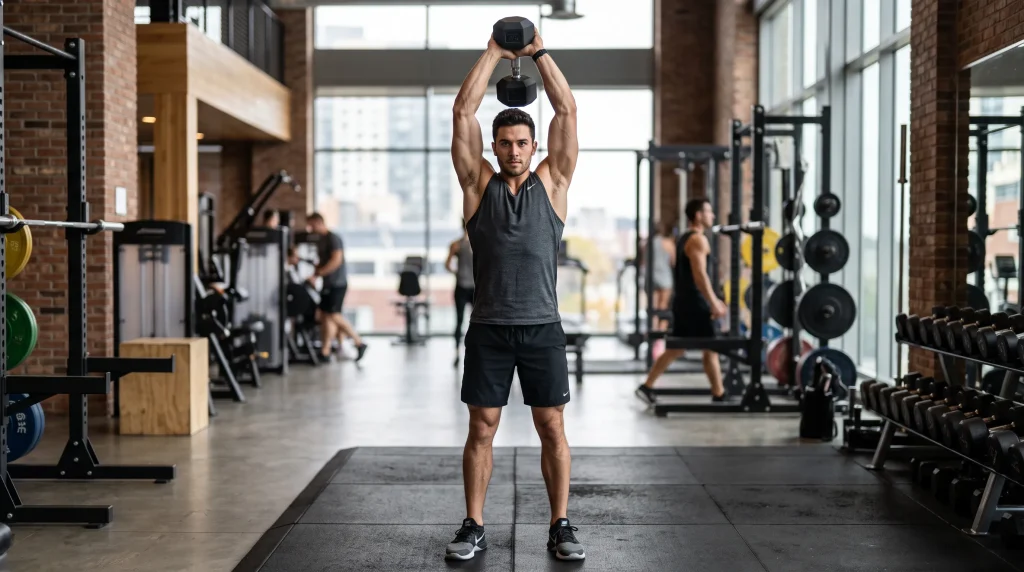
Dumbbell Overhead Tricep Extension (Unilateral)
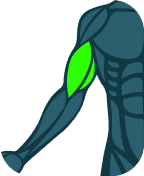
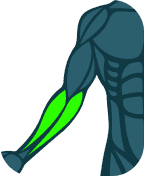
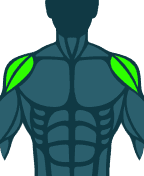
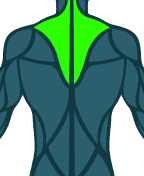
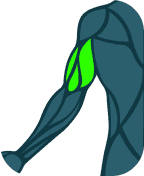
The dumbbell standing one-arm extension is an isolation exercise that targets the triceps, the muscle at the back of the upper arm. It's perfect for anyone looking to build triceps strength and size, suitable for all levels, from beginners focusing on one side at a time to advanced lifters aiming for muscular symmetry.
Primary Equipment
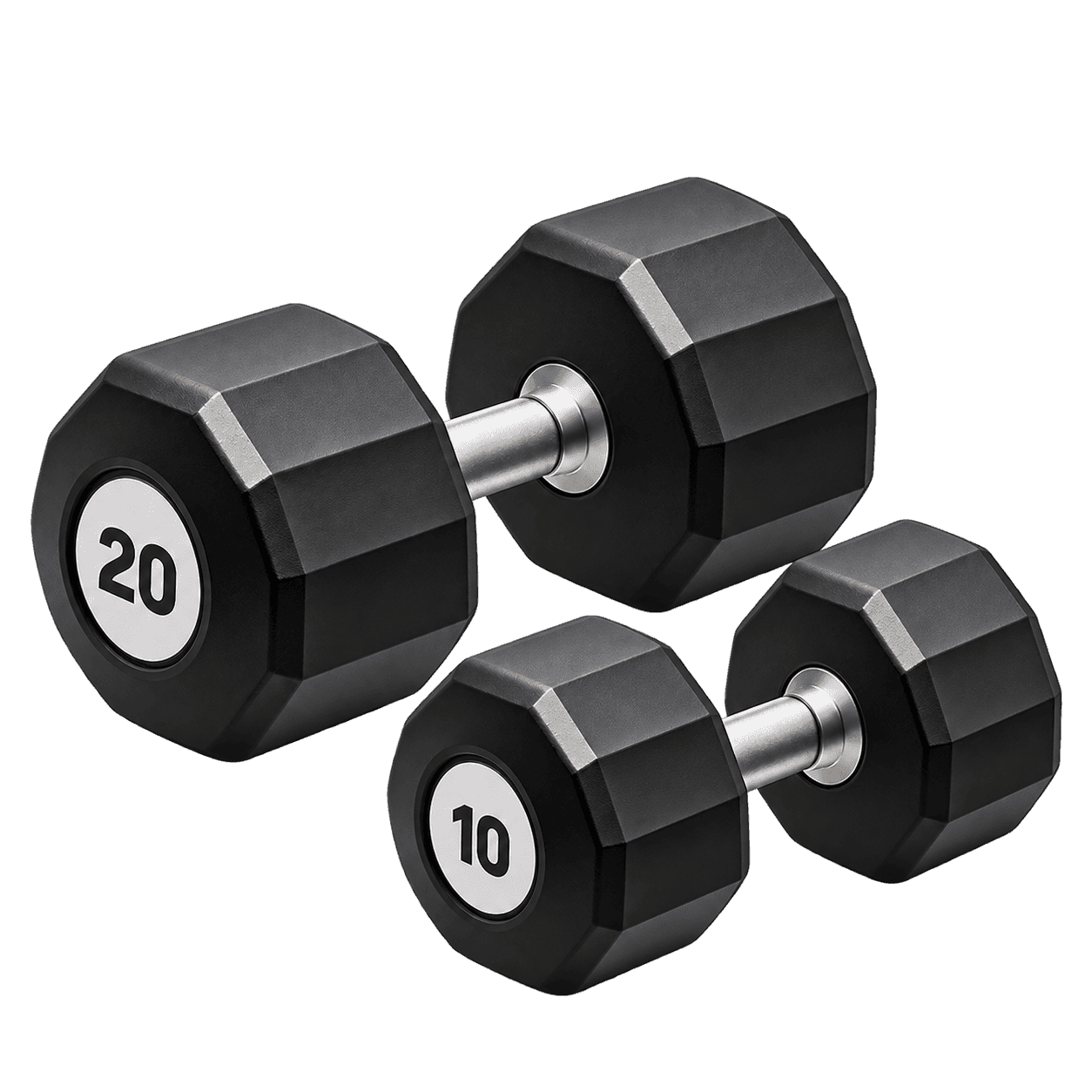 Dumbbells
Key Benefits
- Strengthens and hypertrophies the triceps, contributing to more defined arms.
- Allows for unilateral training, helping to correct strength imbalances.
- Improves shoulder and core stability to maintain proper posture.
- Increases elbow extension strength, beneficial for other pushing exercises.
Instructions
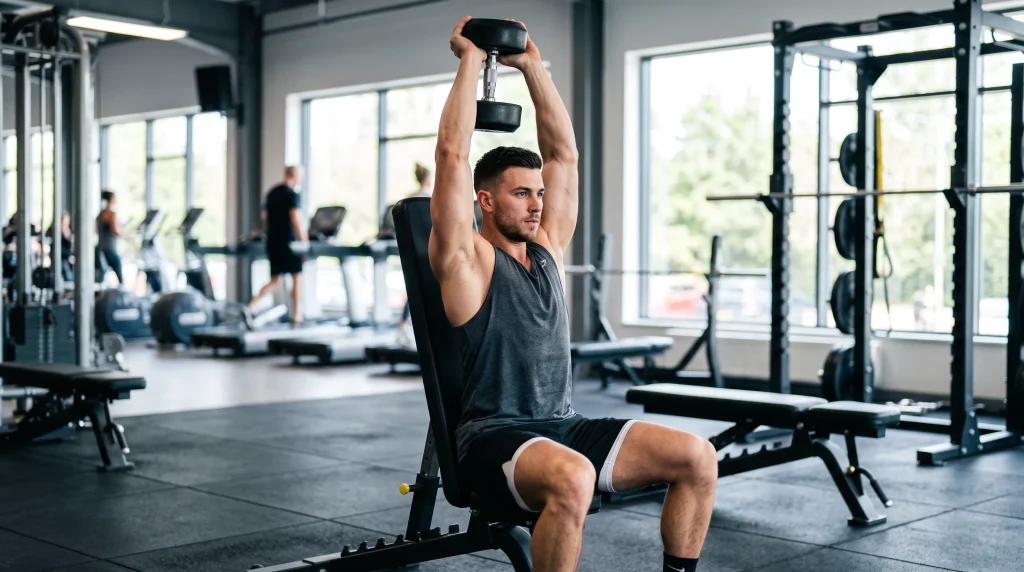
- Initially, while standing, position your arm above your head aligned with your ear
- Hold the dumbbell and look forward
- Start the movement with your elbow bent, slightly rotated outward, and the dumbbell behind your head
- Perform the elbow extension movement in a controlled manner
Tips
- Keep your shoulders and torso stabilized during the movement
- Avoid using momentum or sudden movements
- Maintain the alignment of your elbow
Restrictions
Avoid this exercise if you experience pain in your shoulder, elbow, or wrist. Individuals with a history of shoulder injuries should be cautious and use light loads. If shoulder mobility is limited, start with a very light weight or perform the exercise seated for more stability and control.
Common Mistakes to Avoid
- Letting the elbow flare out excessively, putting strain on the shoulder.
- Arching the lower back too much to lift the weight, losing stability.
- Performing the movement too quickly and without control, failing to engage the triceps.
Frequently Asked Questions
-
What muscles does the dumbbell standing one-arm extension work?
Primarily the triceps brachii, with the long head being highly activated due to the arm's overhead position.
-
Is this exercise good for beginners?
Yes, it's excellent for beginners as it allows for focus on technique and mind-muscle connection one arm at a time, using light weights.
-
What's the difference between doing it seated and standing?
Standing requires more core and shoulder stability, while seated offers more support, allowing for greater focus on the triceps, ideal for beginners or lifting heavier loads.
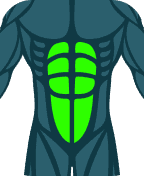
Target Muscle
Primary