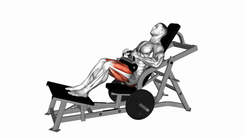
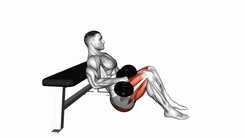
Bodyweight Hip Thrust
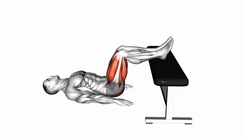
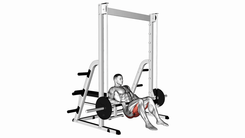
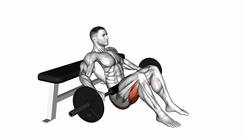
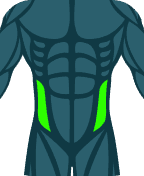
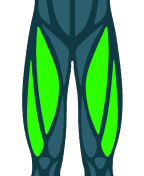
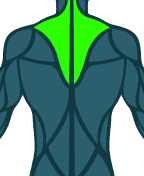
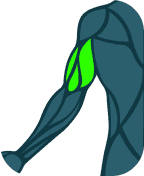
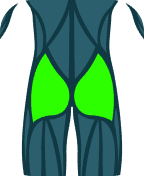
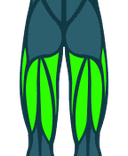
The bodyweight hip thrust is an exercise focused on strengthening the glutes and hamstrings without putting stress on the spine. It's excellent for all levels, from beginners looking to activate their glutes to athletes aiming to improve hip power and stability. It helps improve posture and strength for daily activities.
Primary Equipment
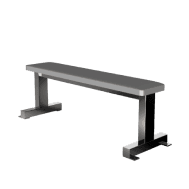 Straight Bench
Key Benefits
- Strengthens and activates glutes and hamstrings, improving hip shape and function.
- Helps alleviate lower back pain by strengthening core and glute muscles that support the spine.
- Enhances hip stability and power for sports and functional movements.
- It's a low-impact exercise, easy to adapt for different fitness levels.
Instructions
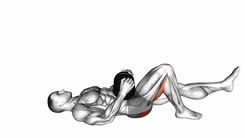
- Lie on your back with knees bent and feet flat on the floor
- Position your feet close to your glutes, shins vertical at the top
- Drive through your heels, lifting your hips towards the ceiling
- Squeeze your glutes at the peak of the movement
- Lower your hips back down slowly and with control
Tips
- Keep your core engaged to protect your lower back
- Avoid arching your lower back excessively at the top
- Focus on feeling the glutes contract throughout the movement
Restrictions
Individuals with acute hip or spine pain should consult a professional before performing this exercise. If you feel neck discomfort, adjust your head position or use a pad. Avoid excessive arching of the lower back at the top of the movement to prevent spinal strain.
Common Mistakes to Avoid
- Not lifting the hips high enough, reducing glute activation.
- Arching the lower back excessively at the top, shifting tension from glutes to the spine.
- Placing heels too close or too far from the hips, which can reduce effectiveness or cause discomfort.
Frequently Asked Questions
-
What muscles do bodyweight hip thrusts work?
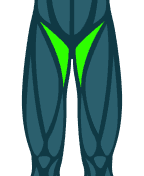
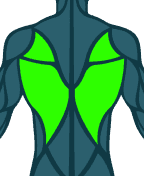
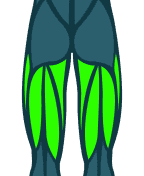
Mainly the glutes (maximus, medius, and minimus) and hamstrings.
-
How can I make bodyweight hip thrusts more challenging?
You can add a pause at the top, perform single-leg variations, or use a resistance band above the knees.
-
What's the difference between a hip thrust and a glute bridge?
A hip thrust allows for a greater range of motion and glute activation compared to a glute bridge performed on the floor.
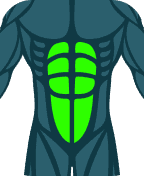
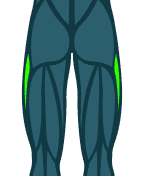
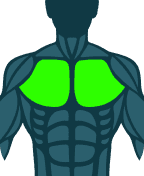
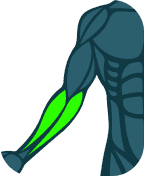
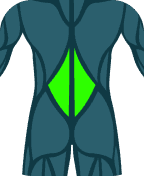
Target Muscle
Primary
Secondary