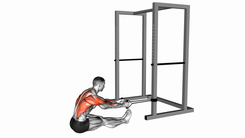
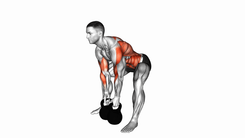
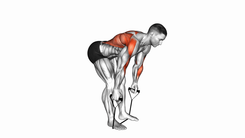
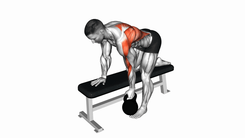
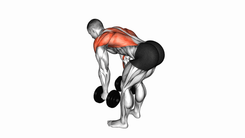
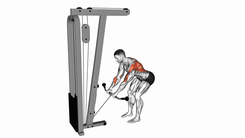
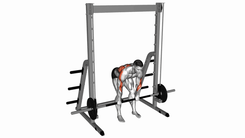
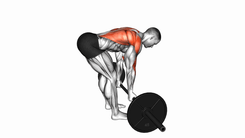
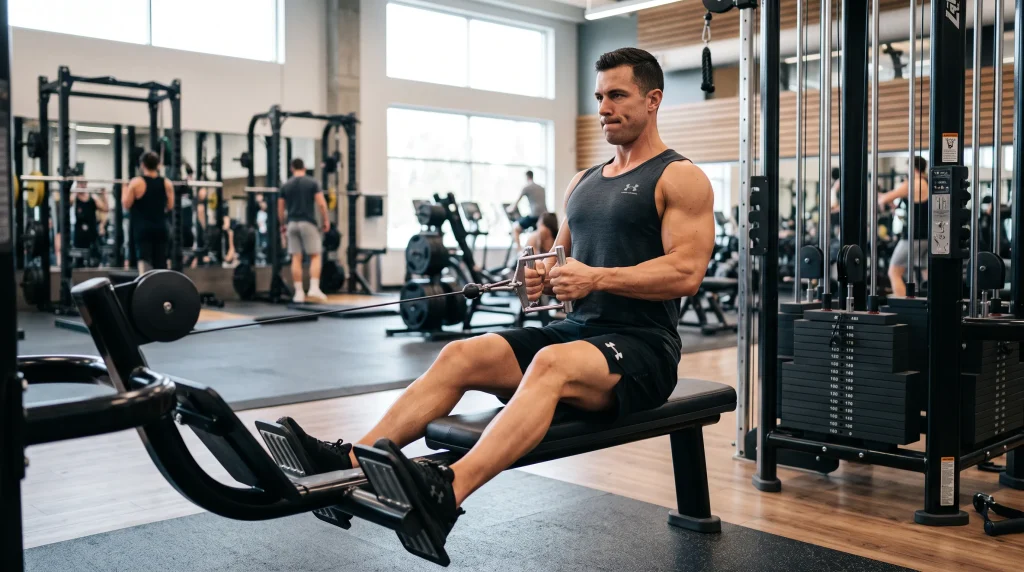
Barbell Bent Over Row
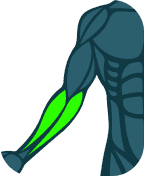
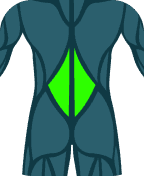
The barbell bent-over row with an overhand grip is a fundamental strength exercise that extensively works the back, biceps, and forearms. It's ideal for those looking to build a strong and balanced upper body, improving posture and pulling strength.
Primary Equipment
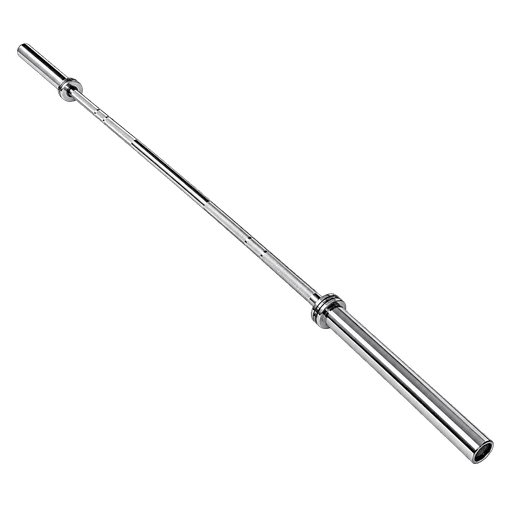 Olympic barbell
Secondary Equipment
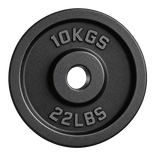 Weight plates
Key Benefits
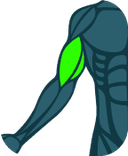
- Develops back thickness and width, including the latissimus dorsi and trapezius.
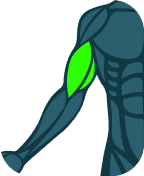
- Strengthens biceps and forearms, contributing to overall pulling strength.
- Improves posture by strengthening the muscles that stabilize the spine.
- Helps build a solid strength foundation for other compound exercises.


Instructions
- Stand with your feet positioned at hip width
- Hold the bar with your hands positioned at shoulder width and your palms facing backward
- Lean your torso forward while keeping the bar aligned in the same direction
- Perform the movement by pulling the bar upward until it approaches your abdomen
- Return in a controlled manner
Tips
- Avoid swinging your body forward and backward
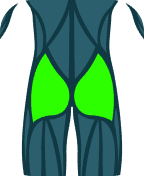
- Keep your abdomen and glutes contracted
- Avoid using momentum or sudden movements
Restrictions
Individuals with lower back problems or herniated discs should exercise caution or avoid this exercise, opting for safer variations like machine rows or supported rows. Beginners should start with light loads to master the form before increasing weight. Pregnant women should consult a doctor before performing this exercise.
Common Mistakes to Avoid
- Rounding the back, placing undue stress on the lumbar spine.
- Using too much momentum from the legs or torso to lift the weight.
- Not pulling the bar to the abdomen, limiting back muscle contraction.
Frequently Asked Questions
-
What muscles do barbell bent-over rows (overhand grip) work?
Mainly the back (latissimus dorsi, trapezius, rhomboids), biceps, and forearms.
-
What's the difference between an overhand and underhand grip in bent-over rows?
An overhand grip (palms down) emphasizes the upper back and traps more, while an underhand grip (palms up) activates the biceps more.
-
How many reps should I do for barbell bent-over rows?
For strength and hypertrophy, typically 3-4 sets of 6-12 repetitions are effective, depending on your goal.