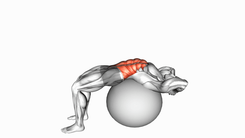
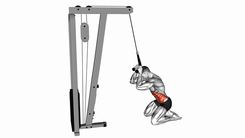
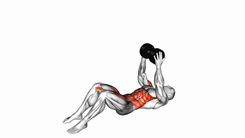
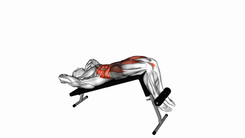
Crunch Floor
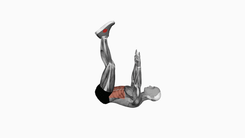
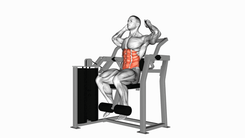
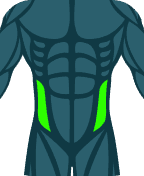
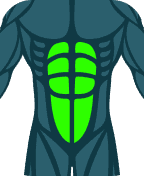
The crunch floor is a classic core-strengthening exercise that isolates the rectus abdominis muscles. It's ideal for beginners and intermediates looking to define their abdominal area and improve trunk stability, requiring no equipment and having a low impact on the spine.
Key Benefits
- Strengthens the rectus abdominis muscles, contributing to a more defined abdomen.
- Helps improve trunk stability and posture.
- Low-impact exercise, suitable for most fitness levels.
- Requires no equipment, can be done anywhere.
Instructions
- Lie on the floor with your knees bent and your feet slightly in front of your glutes
- Place your hands behind your head
- Flex your torso by contracting your abdomen and return in a controlled manner
Tips
- Avoid performing the movement only with your neck; use your torso flexion
- Keep your feet fixed on the ground
- Avoid jerks and sudden movements
Restrictions
Individuals with acute or chronic lower back pain, herniated discs, or cervical problems should avoid this exercise or perform it with modifications, such as using hands to support the head. Pregnant women should consult a doctor before performing abdominal exercises. If you experience neck pain, check your technique.
Common Mistakes to Avoid
- Pulling the neck with the hands, causing tension and cervical pain.
- Lifting the torso too high, turning the exercise into a sit-up and recruiting other muscles.
- Performing the movement too quickly and without control, failing to engage the abdominal contraction.
Frequently Asked Questions
-
What muscles do crunch floor work?
It primarily works the rectus abdominis, the most superficial part of the abdomen.
-
Is crunch floor good for losing belly fat?
Not directly. It strengthens the muscle, but abdominal fat loss depends on diet and cardiovascular training.
-
How many repetitions should I do for crunch floor?
For beginners, 2-3 sets of 10-15 repetitions. Increase as your strength and endurance improve.
Target Muscle
Primary