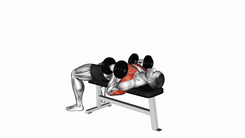
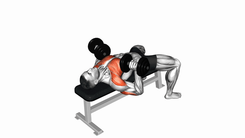
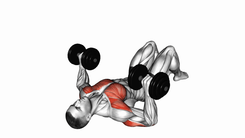
Barbell Pause Bench Press
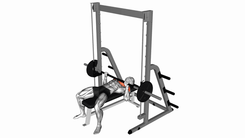
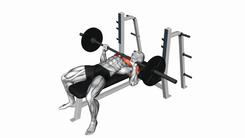
The barbell pause bench press is a strength exercise targeting the chest, shoulders, and triceps. The pause at the bottom of the movement eliminates momentum, forcing the muscles to work harder to initiate the lift. It's excellent for building starting strength off the chest and improving stability.
Primary Equipment
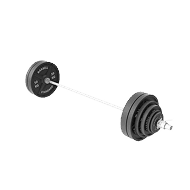 Olympic barbell
Key Benefits
- Boosts starting strength off the chest, crucial for overcoming sticking points.
- Enhances stability and control at the bottom of the movement, strengthening the position.
- Reduces injury risk by teaching stricter control of the barbell.
- Effectively builds muscle mass in the chest and triceps.



Instructions
- Lie down on the bench with your feet on the floor.
- Hold the bar and position your hands at shoulder width.
- Start with your elbows extended.
- Perform the movement by lowering the bar until it approaches your chest.
- Keep the bar still close to your chest for a period between 1 and 3 seconds before pushing the bar.
- Return in a controlled manner and repeat.
Tips
- Avoid lifting your hips off the bench support.
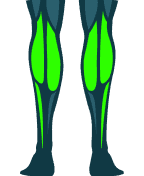
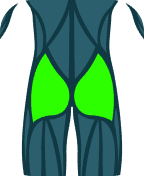
- Keep your abdomen and glutes contracted.
- Avoid impulses and sudden movements.
Restrictions
Individuals with acute shoulder, elbow, or wrist pain should avoid this exercise or seek professional guidance. Beginners should master the traditional bench press before incorporating the pause. Use lighter loads to ensure correct technique and prevent joint overload.
Common Mistakes to Avoid
- Not performing a full, distinct pause, using momentum to initiate the lift.
- Bouncing the bar off the chest, which negates the benefit of the pause.
- Using a load that is too heavy, compromising form and pause duration.
Frequently Asked Questions
-
What muscles do barbell pause bench presses work?
Mainly the chest (pectorals), shoulders (anterior deltoids), and triceps.
-
What is the ideal duration for the pause at the bottom?
Typically, a 1 to 3-second pause is sufficient to reap the benefits of the exercise.
-
Is this exercise more effective than a regular bench press for strength gains?
Yes, for starting strength off the chest, as it removes the stretch reflex and momentum, demanding more from the muscles.