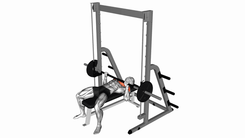
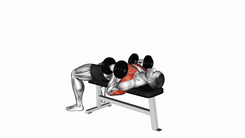
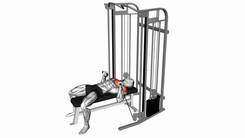
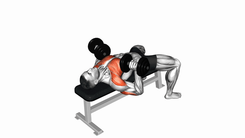
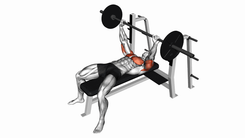
Barbell Bench Press
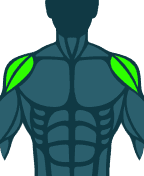
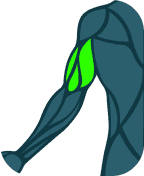
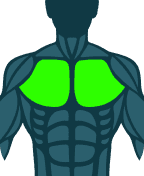
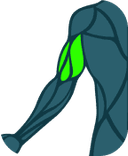
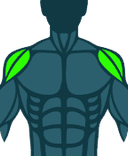
The barbell bench press is a classic strength exercise for the chest, also engaging the triceps and shoulders. It's a fundamental movement for building significant upper body muscle mass and strength, suitable for anyone looking for robust and effective pectoral development.
Primary Equipment
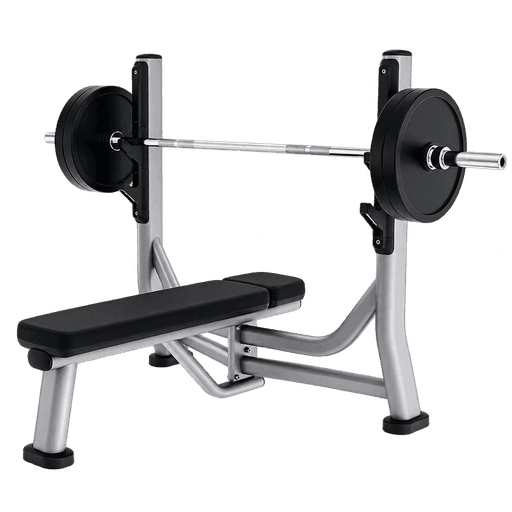 Olympic Flat Bench
Secondary Equipment
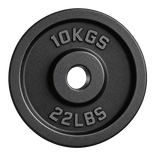 Weight plates
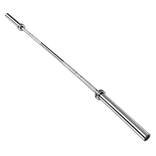 Olympic barbell
Weight plates
Olympic barbell
Key Benefits
- Builds significant strength and muscle mass in the chest, shoulders, and triceps.
- Allows for the use of heavier loads, optimizing stimulus for muscle growth.
- Improves upper body stability and control.
- It's a versatile exercise for progressing load and volume.
Instructions
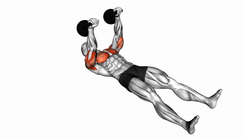
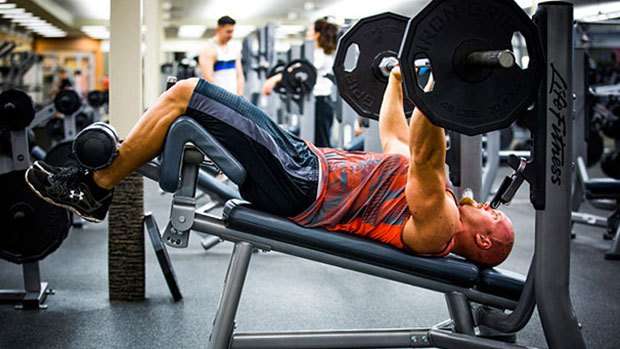
- Lie on the bench with your feet flat on the floor
- Hold the bar and position your hands at shoulder width
- Start with your elbows extended
- Perform the movement by lowering the bar until it approaches your chest
- Push the bar, return in a controlled manner and repeat
Tips
- Avoid lifting your hips off the bench support
- Keep your abdomen and glutes contracted
- Avoid using momentum or sudden movements
Restrictions
Individuals with a history of shoulder, elbow, or wrist injuries should be cautious or opt for safer variations, such as dumbbell presses. Beginners should start with light loads and focus on technique to prevent injuries. Those with lower back pain should ensure their lower back remains stable and not excessively arched.
Common Mistakes to Avoid
- Excessive lower back arching, which can strain the spine.
- Not lowering the bar enough or lowering it too far, losing tension in the chest.
- Using a grip that is too wide or too narrow, overstressing shoulders or triceps.
Frequently Asked Questions
-
What muscles does the barbell bench press work?
Primarily the chest (pectoralis major), but also the triceps and shoulders (anterior deltoids).
-
What is the ideal grip width for the barbell bench press?
The ideal grip width is slightly wider than shoulder-width, forming an approximate 90-degree angle at the elbows when the bar is at the bottom of the movement.
-
Do I need to touch the bar to my chest?
For most people, yes, lightly touching the bar to the chest or getting very close is ideal for a full range of motion and maximum muscle recruitment, as long as it doesn't cause pain.