

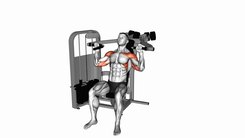
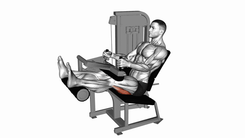
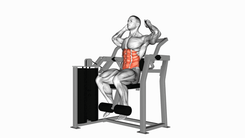
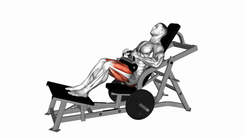
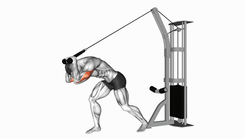
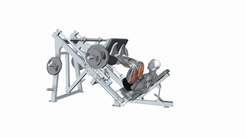
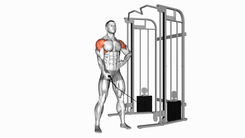
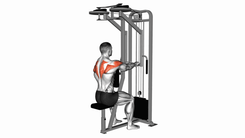
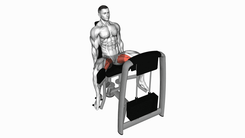
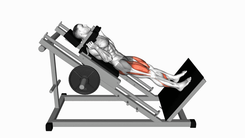
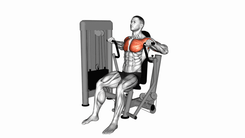
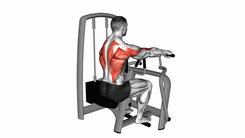
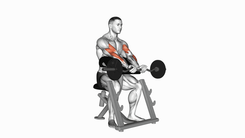
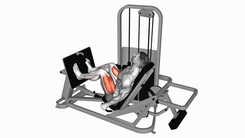
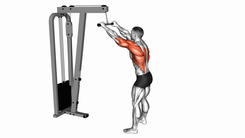
Walking into the gym and feeling lost among so many machines is more common than you might think. Many people start by copying the workout of whoever is next to them, repeat the same movements over and over, or simply don’t know how to adjust the machine. The result is frustration and little progress.
The good news is that gym exercises follow a simple logic. They are performed on machines, cable stations, and guided equipment to strengthen and develop your muscles. The goal is to apply controlled resistance to stimulate strength gains, hypertrophy (muscle growth), and better conditioning.
The big advantage of machines is that the equipment sets the path of the movement, which reduces the need for balance and makes execution easier for beginners. This lets you focus on the target muscle more safely.
Once you understand which muscles each machine works and how to organize sets, reps, and load, your workout stops being a mystery and starts delivering real results.
Gym exercises by muscle group
To build a balanced workout, the ideal is to choose exercises that cover all the major muscle groups. The table below brings together popular options from the Befit library for each area of the body.
| Muscle group | Recommended gym exercises | Level |
|---|---|---|
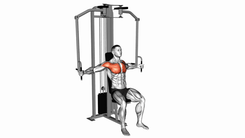
| Chest | Machine chest press, machine fly | Beginner |
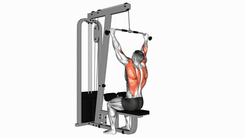
| Back | Lat pulldown, wide-grip machine row | Beginner |
| Quadriceps | 45-degree leg press, seated leg extension | Beginner |
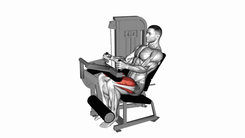
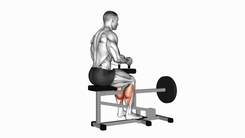
| Hamstrings | Seated leg curl | Beginner |
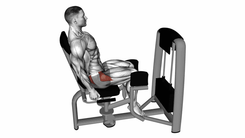
| Glutes | Machine hip thrust, abduction machine | Beginner |
| Shoulders | Machine shoulder press, reverse machine fly | Beginner |
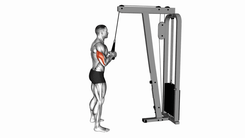
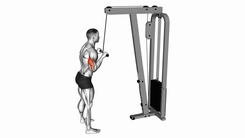
| Triceps | Tricep rope extension | Intermediate |
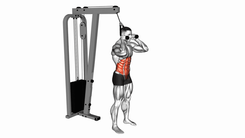
| Abs | Abdominal crunch machine | Beginner |
If you’re just getting started, filter the list above by the beginner level. That way, you learn the simplest movements first and progress safely to more challenging variations.
How to build your gym workout: 3 practical steps
Having a list of exercises is only the beginning. What makes you progress is how they are organized throughout the week. These three steps will help you build an effective gym workout, even with no experience.
1. Start with compound exercises
Compound exercises involve more than one joint and work several muscles at the same time, like the leg press, the chest press, and the lat pulldown. They should come at the beginning of your workout, when you still have more energy.
After them come isolation exercises, such as the leg extension and the triceps pushdown. This order helps you use more load on the main movements and finish each muscle with precision. For more ideas, check out the best machine exercises for hypertrophy.
2. Choose the right sets, reps, and load
For most people aiming for hypertrophy, a good reference is 3 to 4 sets of 8 to 15 reps per exercise, with 60 to 90 seconds of rest. The ideal load is one that makes the last reps hard, but without losing your form.
If you’re a beginner, start lighter and prioritize execution. Watching the video of each exercise before doing it helps you avoid compensations, like swinging your body or using momentum.
3. Apply progressive overload
Progressive overload is the principle of gradually increasing the challenge: more load, more reps, or more sets over the weeks. Without it, your body gets used to the stimulus and results stall.
A simple way to apply it is to log your workouts. When you can complete all your reps with ease, increase the weight a little in the next session.
Common mistakes when doing gym exercises
Many people train with dedication but make slip-ups when doing gym exercises that slow down progress or increase the risk of injury. Watch out for these mistakes:
- Not adjusting the machine: a seat or pads at the wrong height change the muscle being worked and overload your joints.
- Using too much weight: if you need momentum to lift the load, it’s too heavy.
- Moving too fast: controlling the lowering phase increases time under tension and the muscle stimulus.
Fixing these points usually brings faster results than changing your workout. Before changing everything, review your execution and your rest.
How many times a week should you do gym exercises?
The World Health Organization recommends muscle-strengthening activities on at least two days a week, working the major muscle groups (WHO guidelines on physical activity). This is the minimum to maintain your health.
For those aiming for hypertrophy, training 3 to 5 times a week usually works well. Beginners can start with full-body workouts three times a week and later move to splits like ABC, which divide muscle groups across different days.
Machines or free weights: which is better?
Neither is better at everything: each has its role. Machines are safer for learning, isolate the muscle better, and make it easier to adjust the load. Free weights, like dumbbells and barbells, demand more stabilization and recruit supporting muscles.
The ideal is to combine both. If you also train outside the gym, check out the list of home gym exercises with dumbbells and barbells, or the bodyweight exercises, which require no equipment at all.
Frequently Asked Questions
-
What is the best gym exercise for beginners?
The 45-degree leg press, the machine chest press, and the lat pulldown are among the best to start with. They work large muscle groups, have a guided path, and are easy to learn.
-
How long does it take to see results at the gym?
The first strength improvements show up within two to four weeks. Visible changes in your body usually appear between 8 and 12 weeks of consistent training, combined with proper nutrition. To track your body composition, you can use the FFMI calculator.
-
How long should a gym workout last?
Between 45 and 75 minutes is enough for most people. More important than duration is the intensity and quality of your sets.
-
Do I need to feel sore the next day for the workout to have worked?
No. Delayed onset muscle soreness is common at the beginning or after changes to your workout, but it isn’t a required sign of progress. The same goes for the pump, that feeling of a full muscle during training.
Train with guidance: gym exercises in the Befit app
Knowing which exercises to do, in what order, and with how much load is what separates a random workout from one that delivers results. With the videos and instructions on this page, you already have the foundation to train more safely and confidently.
To go further, download the Befit app. It builds a personalized workout plan for your goal and level, shows how to perform each gym exercise, and logs your loads so you can apply progressive overload without the hassle.


